
Dental implants — replacing missing teeth
Upper Back-Tooth Implants: Understanding Sinus Space and Bone Height
The upper back teeth sit close to the maxillary sinus, an air-filled cavity above parts of the posterior jaw.
Explore your tooth replacement options
If you are considering replacing a tooth or several teeth, a £30 consultation gives you a chance to explain what matters most, ask questions and explore the options with our team.
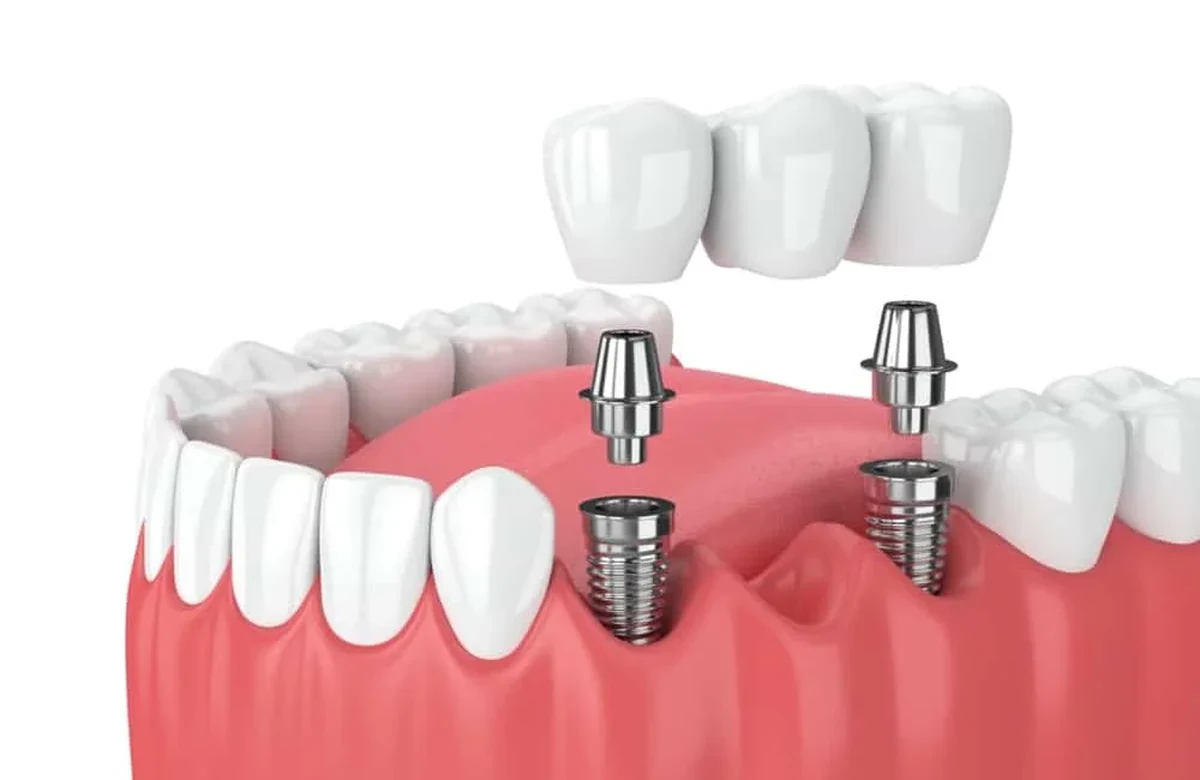
An upper back-tooth implant does not always need a sinus lift. The decision depends partly on how much bone remains beneath the maxillary sinus, the air-filled cavity above parts of the upper jaw. Bone height can reduce after a molar is lost, particularly where the sinus floor is low. The gum may look substantial while leaving too little vertical bone for a conventional implant length.
What the clinician measures
Assessment considers the proposed tooth position, neighbouring roots, the sinus floor, ridge width and available restorative space. A justified CBCT scan can display the relevant three-dimensional relationships when routine records are insufficient. The aim is to understand whether an implant can be positioned with suitable support while respecting anatomical boundaries. Scan findings need clinical interpretation, including whether there are sinus changes that warrant further assessment.
The different augmentation conversations
Some sites have enough existing bone for an implant without altering the sinus. Others may suit a limited approach from within the implant site, or an approach through a window in the side of the jaw where more rebuilding is needed. These are different procedures, with different reasons for choosing them and different healing needs. The explanation should show which tissue would be lifted or augmented, whether the implant would be placed at the same time or later, and what that means for your timeline.
Why the final molar crown matters
Upper molars withstand substantial chewing demands. The prosthetic plan considers crown size, contacts and the relationship to the opposing arch. Simply selecting the longest possible implant does not address those forces if its position makes a difficult crown. If the gap has existed for years, the opposing tooth may have erupted into the space and might require assessment before replacement can be designed at the correct height.
Medical and nasal history
Symptoms such as recurrent sinus disease, relevant previous surgery or complex medical history may affect assessment and the need for further professional input. Patients should mention significant nasal or sinus conditions before treatment planning. Routine allergies alone do not prove a problem with implants, but a clinician needs the full history to decide whether investigations are necessary. This is a reason for individual assessment, not for making blanket promises about eligibility.
Is a bridge worth comparing?
If adjacent teeth already have large restorations or crowns, a conventional bridge may be a sensible option. If they are otherwise healthy, preparing them can represent a major irreversible trade-off. Some gaps do not need immediate replacement if the bite and function can be maintained, although that choice should be reviewed. An implant is one pathway among several, and the sinus anatomy can change its relative attractiveness.
A useful consultation result
Ask for a drawing or annotated scan that shows the planned crown, available bone and sinus boundary. Request an itemised explanation of any proposed graft, separate healing stages and fallback options if the surgical site differs from expectations. The ADI and ITI describe different placement and loading strategies, but the proper selection remains dependent on anatomy, stability and the restorative plan—not an advertised fixed schedule.
Why the opposing tooth deserves a look
If an upper molar has been missing for a long time, the lower tooth may have moved upwards into the gap. Even with enough bone and a manageable sinus position, there may be too little space for a properly shaped crown. The dentist checks how the teeth would meet and whether selected orthodontic or restorative correction is needed to avoid a very short crown or unfavourable forces. This is a separate decision from whether to lift the sinus. If augmentation is proposed, the written plan should also explain how unexpected sinus anatomy or the condition of its lining could alter the procedure. The surgery needs to serve the aim of a functional replacement tooth.
Your next step, when you’re ready
We would be pleased to welcome you for a £30 consultation at your preferred Iconic Smiles practice. Bring your questions, and we can talk through the options that may suit you.
Any additional investigations and their fees will be explained before you decide.