
Dental implants — replacing missing teeth
Dental Implants for Young Adults: Timing
An absent upper lateral incisor or a front tooth lost during adolescence may create understandable pressure for a permanent replacement.
Explore your tooth replacement options
If you are considering replacing a tooth or several teeth, a £30 consultation gives you a chance to explain what matters most, ask questions and explore the options with our team.
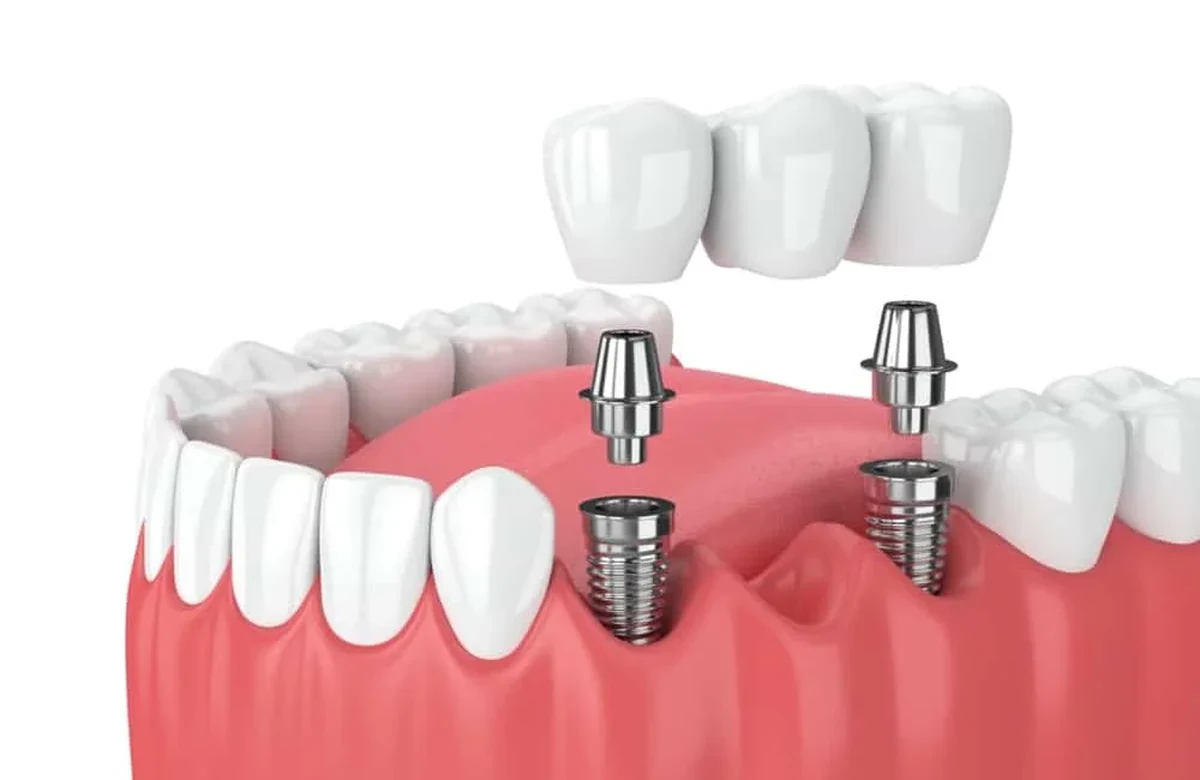
Implant timing for a young adult depends on growth and dental development, rather than a birthday alone. Natural teeth can continue to change position as jaws and tissues mature. An integrated implant is fixed directly to bone and cannot follow those movements. In a visible front-tooth gap, this can lead to a difference in tooth level or gumline later, even where an implant initially appears well positioned.
Why remaining growth matters
Age alone cannot establish whether the teeth and supporting jaws have finished their vertical development. The clinician may compare records over time, tooth positions, the bite and relevant growth findings. Being over eighteen, or having one X-ray, does not automatically demonstrate readiness. The aim is to reduce avoidable future differences between the implant crown and neighbouring teeth.
Orthodontics often comes before replacement
Where a lateral incisor never developed, braces or aligners can either open a carefully dimensioned space for a future replacement or close the space using the canine. Space opening must account for the angle of neighbouring roots, crown width and retention while waiting. A smile may appear ready for an implant at the gumline even when roots remain too close inside the bone. The orthodontist and restorative clinician should share the planned target tooth dimensions before active tooth movement ends.
Temporary options should preserve choices
A resin-bonded adhesive bridge, retainer incorporating a tooth or removable provisional can help maintain appearance while maturity is assessed. Each has practical trade-offs: an adhesive bridge needs suitable enamel and bite clearance, while a removable option may need periodic adjustment. A well-made temporary should preserve planned tooth space without damaging adjacent structures. Patients also need to know which retainer to wear during the waiting period so that the orthodontic work is not lost.
Implant or no implant?
For selected missing lateral incisors, orthodontic space closure followed by canine reshaping can avoid implant placement altogether. In other patients, a replacement tooth preserves a more natural canine position and may better suit the bite or smile. Comparing the alternatives involves canine shape and colour, gingival levels, root positions, tissue volume and lifelong maintenance. A permanent implant may be a good eventual choice, but it is not an inevitable destination for every congenitally missing tooth.
A useful endpoint for the consultation
Ask what evidence the team uses to judge maturity, how the space will be retained, which temporary restorations are feasible and who will reassess implant suitability. There should be a written timeline with review points rather than a promise of surgery at a predetermined age. Planning for a young adult protects future options as much as it provides an attractive immediate smile.
An illustrative pathway for a missing lateral incisor
For example, a seventeen-year-old may finish orthodontics with a planned upper lateral-incisor space and apparently enough room for a crown. The root angles still need checking, and ongoing growth and vertical movement of neighbouring teeth can affect timing. An adhesive interim tooth or a retainer containing a replacement may maintain appearance while suitability is reviewed. Any further adjustment of the gap is easier to coordinate before an implant becomes fixed to bone.
Space closure with canine reshaping may also be worth comparing. It changes the tooth arrangement but avoids an implant component to maintain; suitability depends on canine shape and the bite. The shared plan should explain both routes, temporary teeth, retention and the evidence used to judge growth. A supervised provisional stage can protect future choices, with clear review points and responsibility for the next step.
Your next step, when you’re ready
We would be pleased to welcome you for a £30 consultation at your preferred Iconic Smiles practice. Bring your questions, and we can talk through the options that may suit you.
Any additional investigations and their fees will be explained before you decide.