Choosing dental care
AI and 3D smile planning: what technology can—and cannot—do
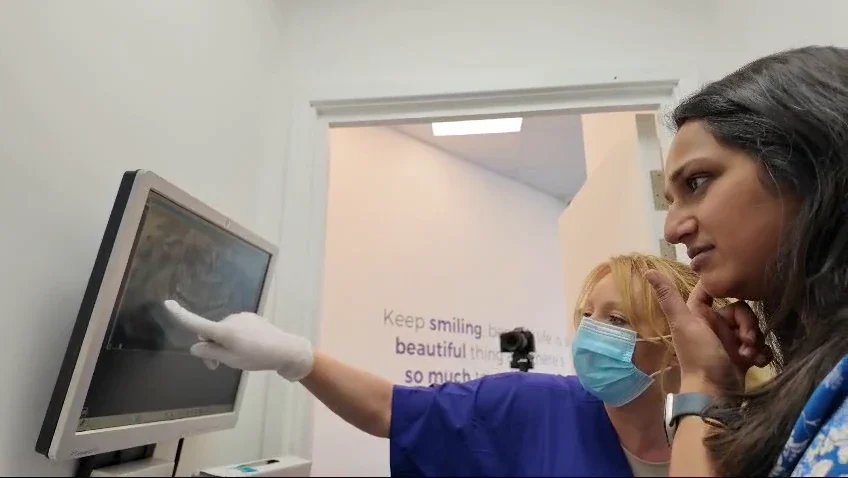
AI and 3D smile planning can help illustrate proposed shapes or movements and guide questions about treatment. Ask what records the simulation used, what it assumes and which parts the clinician has checked in your mouth. Use it to discuss choices and what can reasonably be expected.
What should you ask before agreeing to a digital smile plan?
- Ask which images, scans or measurements were used and which aspects of the preview are estimates. A simulated appearance can differ from the final result.
- Check whether the plan has considered decay, gum support, bite, anatomy and any need to remove or restore natural tooth tissue.
- Request a comparison with more conservative alternatives, realistic maintenance and what would happen if treatment does not follow the predicted sequence.
Get answers before you decide
Choosing dental care should feel straightforward. A £30 consultation gives you the opportunity to explain your wishes, ask about our approach and understand your options.
For broader context on this question, read Digital Smile Design: How Your New Smile Can Be Planned Before Treatment and Invisalign, Bonding, Veneers or Whitening? How to Plan a Natural Smile Makeover.
AI and three-dimensional planning can help illustrate dental options and support measurements, but a simulation cannot guarantee your result. Its value depends on the records used and a clinician's interpretation alongside your examination, symptoms and treatment choices.
A screen image can make a proposed change easier to discuss. It still needs to be checked against what is possible for your teeth, roots and gums, with limitations explained before you consent.
Choosing records that answer a clinical question
Digital, conventional or combined records may be appropriate. Extra imaging should answer a clinical question; it may be unnecessary if examination already resolves the decision. Establish where the data came from, which parts of the model are estimates and why findings about tooth or gum health could change the design.
A symmetrical preview before the tissues are assessed
For example, a simulated veneer design may show symmetrical teeth before the available enamel, gum contours and root positions have been assessed.
Distinguishing an estimate from a confirmed finding
Software can display symmetry that the supporting anatomy cannot reliably provide. AI-supported findings need a dentist's check. The discussion should identify what the image estimates, what the examination confirms and which features remain uncertain.
Further reading (background sources)
- — background reading
- — background reading
- NHS: dental treatment information — background reading
Your next step
Questions about the records behind your preview
The planning discussion should explain how the technology informs a particular choice for you. Useful points to clarify include:
- Which records were used, and what clinical question does each scan or simulation answer?
- What could the examination reveal that would change the proposed design?
- Which parts are estimates, and how do conventional or more conservative options compare?
Before treatment, agree the intended benefit, limits, alternatives and follow-up with the clinician responsible. Digital planning supports that decision; it cannot establish individual suitability or replace informed consent.
Your next step, when you’re ready
We would be pleased to welcome you for a £30 consultation at your preferred Iconic Smiles practice. Bring your questions, and we can talk through the options that may suit you.
Any additional investigations and their fees will be explained before you decide.