
Bonding, veneers and whitening
Is composite bonding reversible? What to know before treatment
Some bonding can be adjusted or removed, but whether it is truly reversible depends on your tooth and the preparation involved. Here is what to ask.
Discover what could suit your smile
Whether you are thinking about colour, shape or a subtle change, a £30 consultation is a welcoming place to share your ideas, ask questions and explore a personalised approach.
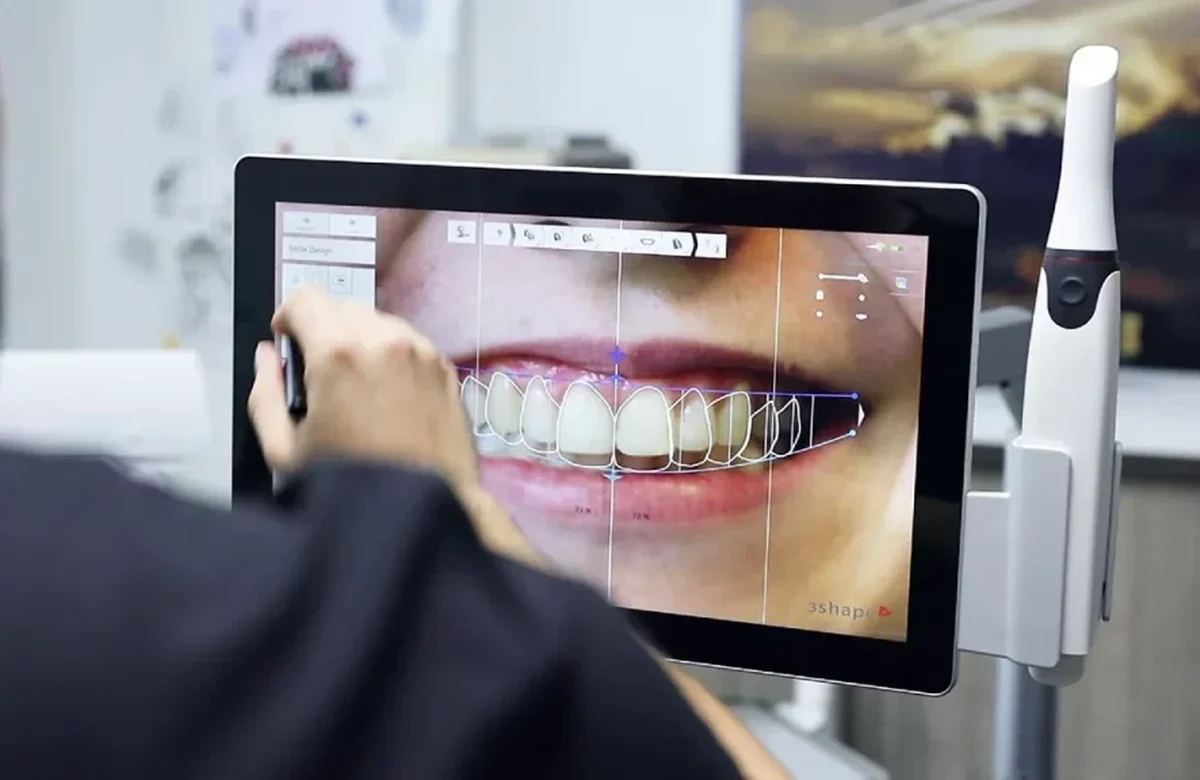
Composite bonding is not always fully reversible, even when little or no drilling is needed. How much can be removed safely depends on the original preparation and the condition of the tooth. Before starting, it is helpful to understand both what would change now and what removal or replacement could involve later.
Bonding can preserve substantial natural tooth structure, but removing it does not necessarily restore the untouched tooth. Resin and enamel can be difficult to tell apart, and removal may alter the surface. Laboratory-made veneers involve a different balance of preparation, cost, repair and future replacement, so comparing treatments means looking beyond their initial colour and price.
Can composite bonding be removed without damaging enamel?
There is no risk-free promise of composite removal. The boundary between resin and enamel can be subtle, and abrasive or rotary instruments may remove healthy tooth tissue as well as resin. If only part of the bonding needs attention, a repair or careful reshaping may avoid removing it all.
The original bonding may have involved acid etching, roughening or light preparation of the enamel. The dentist needs to assess that history and the resin margins when explaining removal. Magnification, controlled instruments and selective polishing may help preserve enamel, although strongly bonded patches can be hard to distinguish from tooth colour. Overaggressive removal can abrade healthy tissue or expose earlier damage. The tooth may need finishing or further protection afterwards, so these possibilities belong in the discussion before bonding is first placed.
Direct composite bonding versus laboratory veneers
Direct composite is shaped on the tooth; a ceramic veneer is made in a laboratory from scans or impressions. The choice depends on the colour and shape change wanted, the available enamel and bite forces. Composite often allows more conservative additions and can usually be repaired or modified in the chair, but may need more frequent repairs, stain or lose its polish. Ceramic has different optical and surface properties and may retain its finish better, yet can require enamel preparation and may be difficult to repair invisibly. Neither has a guaranteed lifespan. Both need maintenance and can fail if bite problems or plaque-retaining margins remain unmanaged. A tooth-by-tooth plan lets you compare preparation, likely longevity, repairability, time and cost for your own teeth.
What a no-drill claim means for your tooth
A 'no-drill' advertisement cannot establish whether your own treatment would be entirely additive. Existing fillings, acid erosion and small fractures may affect preparation and how the resin bonds. The plan should show the material boundaries and any intended polishing or alteration of enamel. A written explanation of preparation and repairability tells you more than a one-word claim of reversibility.
What happens when a patient changes their mind later?
If you later want the bonding changed, the options depend partly on what was done at the outset. Resin placed over intact enamel is a different starting point from treatment that required tooth reduction to make room for its thickness. Careful removal still cannot promise that every microscopic part of the original surface will be untouched. If substantial enamel reduction is proposed, compare its consequences with those of a veneer before deciding which treatment name appeals to you.
A chipped composite edge may be repaired directly, although new and older resin can differ in colour. A fractured ceramic veneer may be harder to repair invisibly, even though its surface can resist some staining more successfully. For a minor shape concern on healthy teeth, a smaller intervention often leaves more future choices. The written plan should distinguish the preparation needed now from later repair and replacement commitments.
Comparing the amount of treatment
The appropriate extent of treatment depends on the tooth. A small additive repair may meet an appearance goal where a full veneer would be excessive; a heavily damaged tooth may justify a more comprehensive restoration. Comparing those options includes the enamel affected, the response to a chipped edge and the care each tooth is likely to need over the coming years.
Sources for further reading
Your next step, when you’re ready
We would be pleased to welcome you for a £30 consultation at your preferred Iconic Smiles practice. Bring your questions, and we can talk through the options that may suit you.
Any additional investigations and their fees will be explained before you decide.