
Bonding, veneers and whitening
Flowable vs Sculpted Composite Bonding: What to Know
Compare flowable and sculpted composite materials, their handling characteristics and the clinical questions that should guide a bonding plan.
Discover what could suit your smile
Whether you are thinking about colour, shape or a subtle change, a £30 consultation is a welcoming place to share your ideas, ask questions and explore a personalised approach.
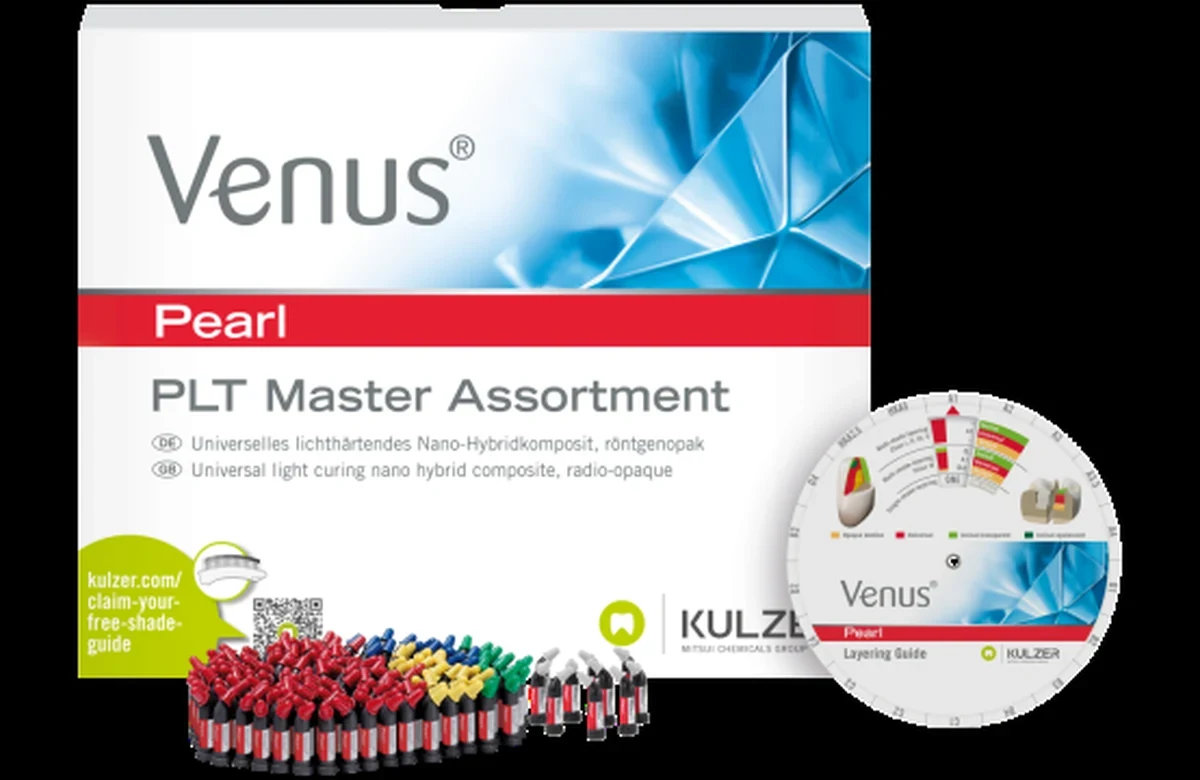
Flowable and sculptable composites handle differently, and neither label alone establishes a more natural or durable result. Terms such as injectable or nano-hybrid describe aspects of technique or formulation. A flowing resin may suit one area while a material shaped by hand suits another. The choice should fit the contour, biting load and cleanable finish needed.
What 'flowable' actually describes
Flowable composites contain a resin matrix with filler particles and are designed to spread more easily than many conventional sculpting materials. That handling can be useful for small additions, certain cavity liners and carefully controlled applications. However, composition varies greatly between products; flowability alone does not specify filler content, polish retention or strength. Injectable composite techniques may use a clear index to guide placement, producing consistent contours across several teeth. The index transfers a shape, but the dentist still needs to check the contact points, gum margins and bite. A well-made template does not replace clinical judgement.
Why front edges may need a different approach
The incisal edge is exposed to repeated contact with opposing teeth and sometimes sideways forces. For a chipped or shortened front edge, a suitable high-strength sculptable composite may allow careful anatomical layering and controlled contouring. A more fluid material might be useful in selected parts of the design without necessarily forming the entire load-bearing edge. The decision should not be based on a demonstration video where material is squeezed through a syringe and cured in seconds. The full process includes tooth assessment, surface preparation, shade selection, curing, finishing and functional checks.
Bonding quality depends on the surface
Resin can bond reliably to appropriately conditioned enamel in suitable circumstances. Existing fillings, exposed dentine and ceramic surfaces may require different protocols. Isolation from saliva or bleeding is important because contamination can interfere with adhesion. The clinician must decide whether the procedure can be completed without unnecessary cutting of sound tooth structure. A patient should ask how the new material will join the existing tooth and whether the intended result is additive or requires some reduction. The phrase 'non-invasive bonding' should not hide any planned irreversible preparation.
Light curing is more complicated than it looks
Composite sets through light-activated polymerisation. The curing light's output, layer thickness, opacity and the manufacturer's instructions affect how this happens. Setting also involves shrinkage, making preparation shape, adhesion and handling important. A brief light exposure over a large mass may not provide the control of a suitable layering method. These steps belong to the clinician's technique alongside material selection.
Contour, polish and maintenance determine appearance
A smooth glossy finish can make composite look more like natural enamel and can reduce areas that hold stain or plaque. Surface texture is deliberately refined around line angles and contacts, while the gumline must remain accessible for cleaning. A slightly bulky restoration can distort the proportions of a tooth even if it is the correct colour. Over time composite may require polishing, adjustment or repair. A ceramic option may suit certain extensive changes better, but it is not automatically preferable for small conservative additions. The size of the change and bite should lead the comparison.
What a patient should ask at the consultation
Before treatment, understand the feature being changed, why the proposed resin and method suit it and whether an index will guide the shape. Include preparation, reviews, polishing and possible repairs in the discussion. The meaningful result is a proportionate, cleanable restoration that works in the bite.
Evidence and further reading
- NHS: dental treatment choices
- Iconic Smiles: composite bonding treatment information (commercial page, not independent clinical evidence)
The practices are in Hatfield and Cheshunt in Hertfordshire, and Friern Barnet in North London. If travelling from Bedfordshire, Buckinghamshire or Essex, use the actual clinic address on your confirmation.
Your next step, when you’re ready
We would be pleased to welcome you for a £30 consultation at your preferred Iconic Smiles practice. Bring your questions, and we can talk through the options that may suit you.
Any additional investigations and their fees will be explained before you decide.