
Bonding, veneers and whitening
Cosmetic Dentistry During Pregnancy: Consent and Veneer Planning
Elective appearance-driven treatment involves a different urgency from treating pain or infection.
Discover what could suit your smile
Whether you are thinking about colour, shape or a subtle change, a £30 consultation is a welcoming place to share your ideas, ask questions and explore a personalised approach.
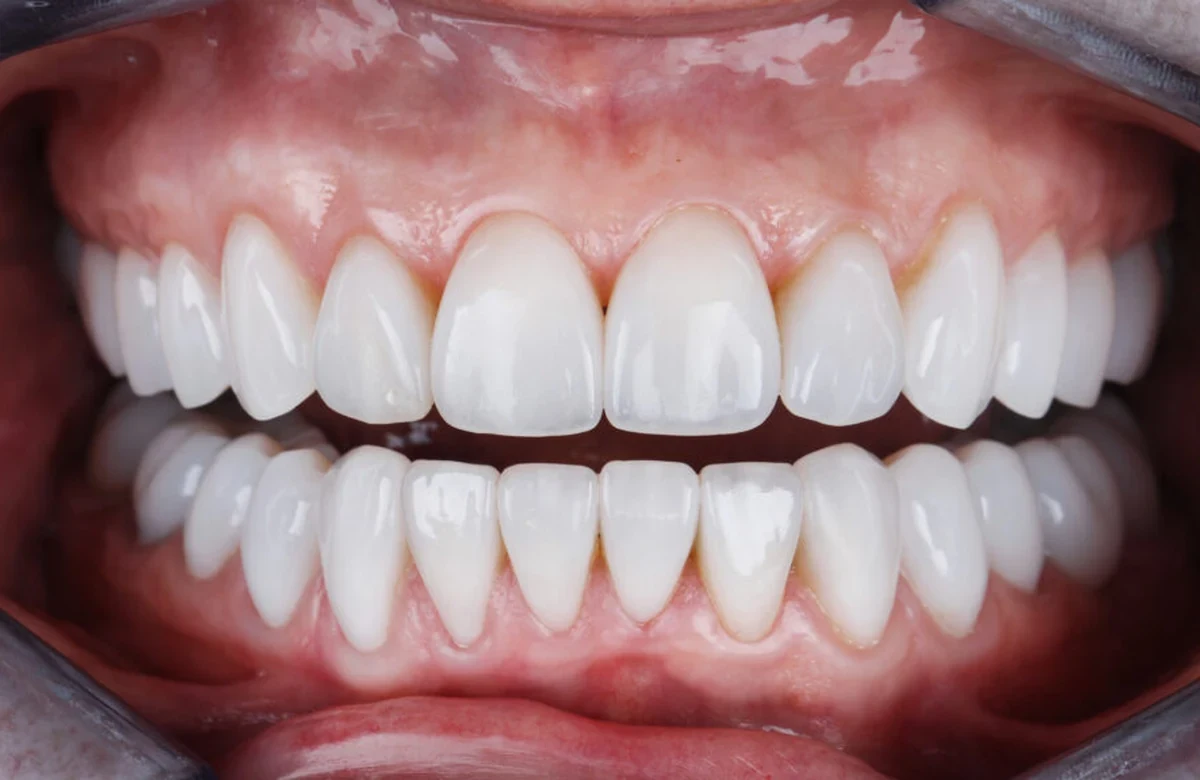
During pregnancy, non-urgent cosmetic dentistry is often deferred, while pain, infection and necessary dental care should still be assessed appropriately. Whitening is generally postponed. If you are exploring veneers, the planning should focus on your oral health and the changes you value, rather than a standard number of teeth.
Can you have elective cosmetic dentistry during pregnancy?
Tell the dental team about pregnancy and relevant medical advice before arranging treatment. Symptoms, urgency, oral health and your preferences help determine what is needed now and what can wait. Necessary treatment, including local anaesthetic when clinically indicated, can be considered during pregnancy; pain or infection should receive prompt attention. Purely appearance-led procedures can often be planned for later. NHS advice does not recommend elective whitening during pregnancy or breastfeeding, which is a separate decision from essential dental care.
Consent for irreversible cosmetic dentistry
Consent is a conversation about benefits, material risks, alternatives, costs and future maintenance, including any irreversible enamel removal. A signed form, photograph or digital mock-up cannot replace that understanding. The assessment also reviews medicines, allergies, relevant diagnoses and the reason for treatment. You should have a written plan and time to weigh options such as orthodontics, whitening, repair, monitoring or no treatment where reasonable. Appearance-related pressure or a deadline should not rush the decision. The plan needs to distinguish what is reversible from changes requiring long-term restorative care.
How many veneers do you actually need for a smile makeover?
The appropriate number of veneers may be none, one or several. It depends on tooth health, existing restorations, colour differences and which teeth show when you speak and smile. Fewer restorations may preserve more enamel; several matching ones may make colour coordination easier, but add maintenance and potentially irreversible preparation. Whitening, alignment or selected bonding may meet the goal with less intervention. A mock-up can compare the effect of treating fewer teeth with the commitments of treating more, and each proposed restoration should have a clear purpose.
Matching the extent and timing to the clinical need
For example, a single discoloured tooth and widespread wear call for different assessments. Neither establishes a fixed 'smile set'. During pregnancy, the immediate priority may be active disease, leaving elective planning for later. At every stage, you should know which surfaces would change, the expected maintenance and the alternatives.
Taking time over elective treatment choices
Choose the extent and timing of treatment through an individual discussion of health, appearance goals and long-term care. A smaller intervention may suit your priorities better than preparing several healthy teeth, and it is reasonable to take time before deciding.
Sources for further reading
Your next step, when you’re ready
We would be pleased to welcome you for a £30 consultation at your preferred Iconic Smiles practice. Bring your questions, and we can talk through the options that may suit you.
Any additional investigations and their fees will be explained before you decide.