
Invisalign and teeth straightening
Teeth Shifting After Pregnancy: Retainers and Orthodontic Choices
Some adults notice a small increase in crowding after pregnancy and assume hormonal changes have moved their teeth.
Talk to us about straightening your teeth
You might have a particular change in mind, or simply want to know what is possible. At a £30 consultation, we can talk through your goals and explain how the next steps are planned.
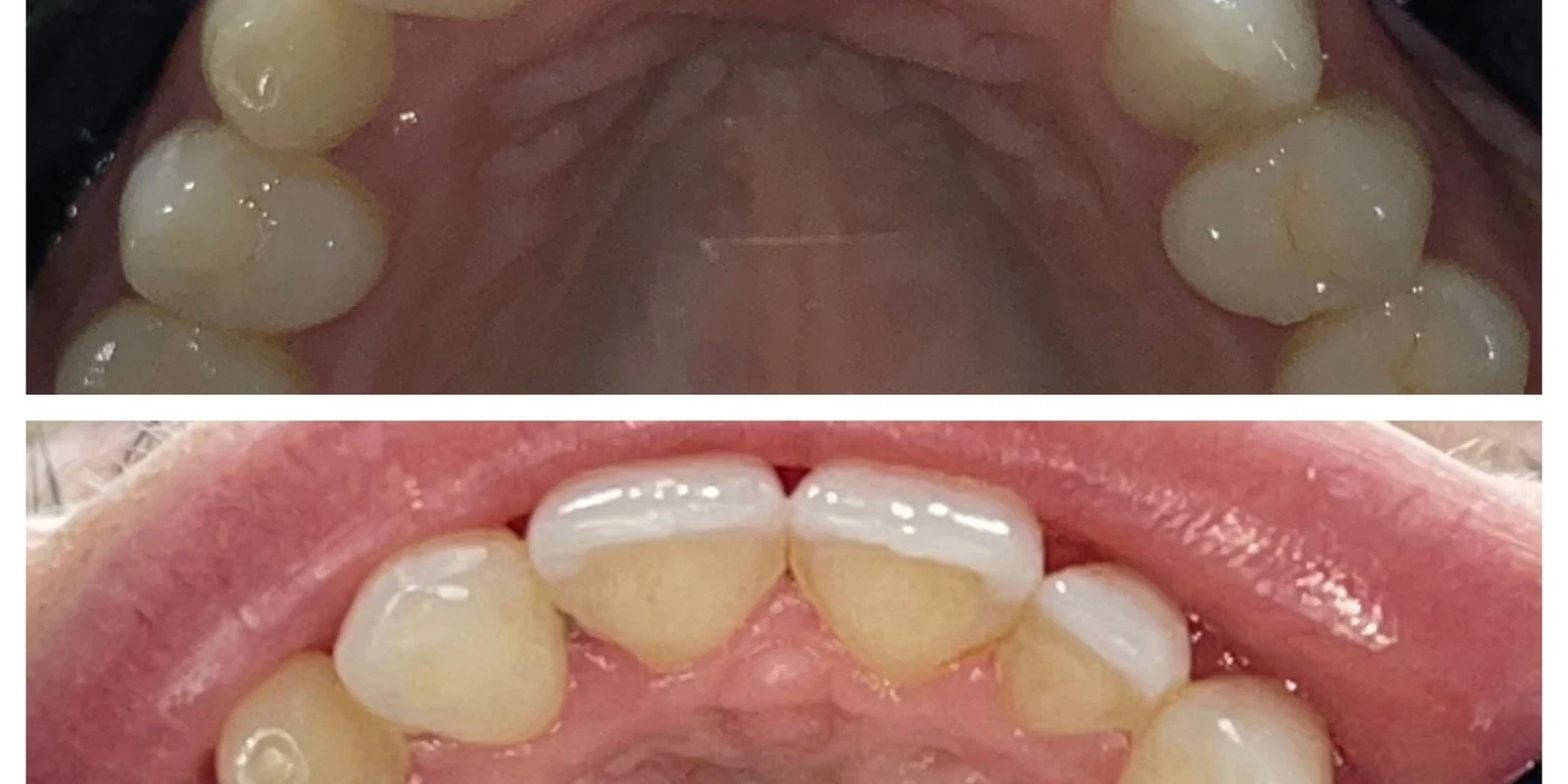
New crowding noticed after pregnancy needs assessment rather than an assumption that hormones moved the teeth. Natural drift, interrupted retainer use and changes in tooth support can all contribute to movement during adult life. Pregnancy-related gum inflammation may affect comfort or cleaning without explaining every change. The assessment establishes whether positions have changed and whether that change is mild, stable or continuing.
Check retention history before retreatment
Ask when the previous orthodontic course finished and what type of retainer was prescribed. A removable retainer that was not worn for months may feel tight because teeth have drifted; forcing it over crowded teeth is not always advisable. A fixed wire can partially detach while appearing connected, allowing one tooth to rotate. The clinician should check the fit and integrity of any appliance and compare current photographs or older scans if available. This helps distinguish true relapse from a tooth-shape or gumline change.
Pregnancy and periodontal considerations
Hormonal changes during pregnancy can increase the gums' response to plaque, making bleeding more likely. That alone does not prove irreversible loss of support or explain crowding. The dentist checks inflammation, gum pockets and cleaning, with appropriate care before elective movement if disease is present. Existing restorations and any past injury also influence whether further orthodontics is suitable.
When a small correction may be appropriate
A modest change in the front-tooth contacts may suit limited orthodontics in some patients, provided the bite and periodontal health permit it. A few aligners are not necessarily adequate for a rotated tooth with poor tracking or a wider bite discrepancy. The clinician should discuss whether the intended outcome is cosmetic alignment only, correction of an uncomfortable contact or preparation for planned bonding. A comprehensive plan should show what remains unchanged as well as what will move, so treatment does not create a new bite problem.
Consider appliances around family routines
Caregiving schedules, feeding, commuting and unpredictable meals can make continuous removable-appliance wear difficult for some parents. A realistic wear-time discussion may favour starting later or choosing another orthodontic method. Treatment should be planned around practical circumstances without implying that pregnancy or breastfeeding itself dictates one universal aligner rule. Where dental treatment is needed during pregnancy, the general dentist should individualise decisions and coordinate with appropriate medical advice when necessary.
Long-term success rests on retention
Before paying for minor retreatment, ask what retainer will be supplied, how it will be checked and how replacement would be arranged. Teeth can continue shifting after any corrective course if retention is interrupted. Some people are content to monitor a minor change rather than undergo another intervention. A consultation should separate the patient's aesthetic aims from clinical problems and explain the value and limitations of observation, retainer replacement or active re-alignment.
Avoid a misleading cause-and-effect assumption
If lower crowding returns after retainer wear stopped during changing family circumstances, its timing does not establish pregnancy as the direct cause. Previous records, actual retainer use and current gum findings help explain what happened. Someone else may notice a changed smile because of temporarily swollen gums while tooth positions remain similar. These need different responses. Options may include maintaining the current position with a new retainer, a limited active correction or observation. Each needs its maintenance requirements explained without making a hormonal diagnosis from the timeline alone.
The clinician can document whether movement affects only tooth contact points or also cleaning access and the bite. That distinction matters when comparing observation with further orthodontics, particularly if an old fixed wire is present and may require separate repair.
Your next step, when you’re ready
We would be pleased to welcome you for a £30 consultation at your preferred Iconic Smiles practice. Bring your questions, and we can talk through the options that may suit you.
Any additional investigations and their fees will be explained before you decide.