
Bonding, veneers and whitening
Healthy but Uneven Front Teeth: Bonding, Aligners or Veneers?
Patients may dislike slightly uneven front teeth even when there is no decay or active disease.
Discover what could suit your smile
Whether you are thinking about colour, shape or a subtle change, a £30 consultation is a welcoming place to share your ideas, ask questions and explore a personalised approach.
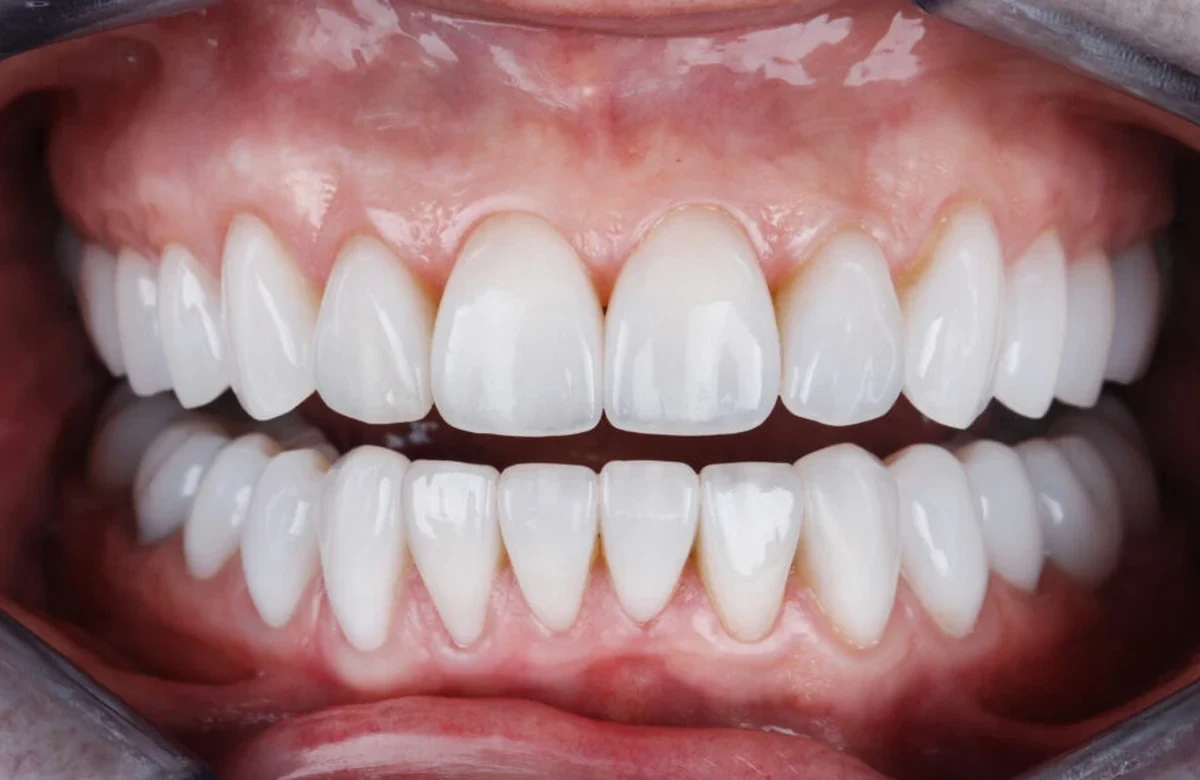
Bonding, aligners and veneers address different causes of uneven front teeth. Bonding changes selected contours, orthodontics moves teeth and ceramic can provide broader surface changes where justified. For healthy teeth, first establish whether the difference comes from rotation, width, wear or the gumline. The expected improvement needs to be worth the preparation, retention or repairs each route may involve.
Identify whether the problem is position or shape
A tooth that sits behind its neighbour may look small without actually being short. An unusually narrow lateral incisor can look misaligned despite being correctly positioned. Photographs, occlusal examination and measurements help distinguish these features. A dentist should show what happens if only shape is adjusted compared with moving the actual tooth. Camouflaging a prominent tooth with a thick veneer can create an unnatural contour or require more enamel preparation than the patient expects.
Small additions may be enough
Limited composite at an incisal edge or side surface can improve proportions while preserving natural tissue. The clinician must check contacts, thickness and how the material will be polished and maintained. Composite may stain or chip, although local repair is possible in many cases. A mock-up can demonstrate whether the patient likes the planned change without treating every tooth in the arch.
Tooth movement can be more conservative
Aligners or other orthodontic appliances can reposition teeth rather than cover the misalignment with ceramic. The plan needs to consider roots, gum support and the bite, and it will require retention afterwards. If only a minor cosmetic alteration is desired, months of orthodontics may not be proportionate. In more crowded smiles, however, moving teeth may avoid extensive veneer preparation and improve cleaning access.
When ceramic is appropriate
A suitable tooth may benefit from a veneer when limited bonding cannot predictably provide the intended contour or colour. The result depends on preparation, remaining enamel and the surface used for bonding. Ceramic can still chip and may eventually need repair or replacement. For a tiny symmetry difference, those commitments need weighing against conservative alternatives.
Compare the finished maintenance plan
Ask how each option changes healthy enamel, how many visits it involves and what retainers, protective appliances or future repairs may be needed. The best route may be no treatment, minor bonding or a short orthodontic plan. A sophisticated cosmetic consultation should protect healthy teeth while giving the patient a meaningful improvement they actually value.
The smallest intervention depends on what is uneven
Small differences at the front edges of healthy teeth with a stable bite may suit selected composite additions. A rotated but otherwise healthy incisor may be better addressed with movement than thick bonding. Worn, deeply stained restorations already covering much of a tooth can create a different reason to consider ceramic, with its preparation, cost and replacement needs. A single makeover package cannot represent those different starting points.
Rest, full-smile and side-view photographs, lip movement and a mock-up help test the proposed lengths. The dentist also checks how additions would meet the lower teeth during forward and sideways movements. Natural teeth and gums are rarely exact mirror images. Compare the tissue altered, any benefit of alignment first and continuing maintenance, with observation remaining an option for a harmless small difference.
Distinguish positional from structural asymmetry
A lateral incisor may appear smaller because it is rotated away from the viewer; another may genuinely have less crown width. Bonding changes the contour of the tooth, while aligners move its position. Ceramic may be appropriate where extensive surface alteration is required, but may remove healthy tissue depending on the case. Ask the clinician to show what each method does to the biting edge, gumline and contact points before combining treatments.
Your next step, when you’re ready
We would be pleased to welcome you for a £30 consultation at your preferred Iconic Smiles practice. Bring your questions, and we can talk through the options that may suit you.
Any additional investigations and their fees will be explained before you decide.