
Bonding, veneers and whitening
Professional Teeth Whitening vs Home Whitening Kits: Safety, Results and Longevity
‘Home whitening’ can mean a tray-and-gel system supplied through a dentist, or a product bought without that assessment.
Discover what could suit your smile
Whether you are thinking about colour, shape or a subtle change, a £30 consultation is a welcoming place to share your ideas, ask questions and explore a personalised approach.
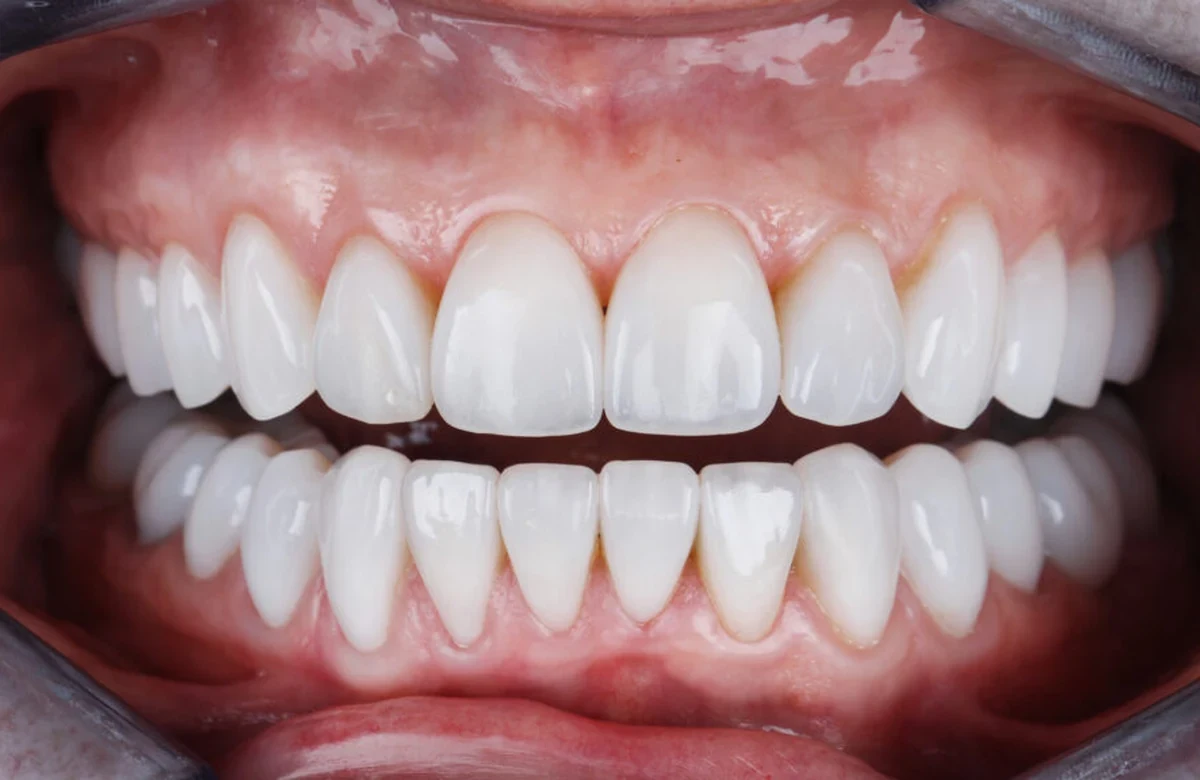
Dentist-provided home whitening is professional treatment
Whitening at home can still be professional treatment when a dentist examines your mouth, supplies suitable trays and gel, and explains their use. That differs from buying a kit without an assessment. NHS information describes both dentist-provided home trays and in-practice whitening; the important questions are who plans the treatment and how it is supervised. [1]
The examination comes before the bleaching protocol
Whitening should follow assessment of the teeth and gums and the reason for the colour concern. GDC guidance requires an appropriate clinical examination for the regulated peroxide products it describes, including checking relevant risks and oral pathology. Stronger product claims should not replace that examination. A cosmetic colour change is not treatment for an infected or otherwise unhealthy tooth.
Compare the proposed method rather than an instant-white promise
Ask which system is proposed, the instructions, the likely course and how progress or problems will be reviewed. Whitening results and timing vary, and a lasting exact shade should not be guaranteed. A short in-practice appointment and a prescribed home course are different regimens; one is not proved universally better by the convenience of its advertised timetable. [1]
Understand restrictions and potential side effects
Sensitivity and irritated gums can occur. NHS advice does not recommend whitening during pregnancy or breastfeeding, and unhealthy teeth or gums need attention first. Routine cosmetic whitening is not an under-eighteen treatment option. The GDC describes a narrow disease-treatment or disease-prevention exception for the specified peroxide products; that requires professional assessment, rather than a self-declared exception. [1]
Plan visible restorations separately
Whitening lightens natural teeth rather than crowns, veneers and fillings in the same way. If you have visible restorations, discuss whether the surrounding colour change could reveal a mismatch. New bonding should be coordinated with the intended shade. Existing restorations should be assessed individually rather than automatically replaced as part of a whitening package. [1]
Include aftercare and the full cost
Whitening is not permanent. Ask how maintenance will be assessed, what the initial fee includes and whom to contact about sensitivity or gum symptoms. Follow the prescribed instructions rather than extending exposure or increasing gel use yourself. Over-the-counter and online products do not provide the same individual assessment, and should not be assumed equivalent to dentist-supervised treatment. [1]
Home trays, improvised whitening and patchy colour
Dentist-supervised home trays and in-surgery whitening differ in application, appointment sequence and the way patients manage sensitivity. Neither can reliably whiten crowns or ceramic veneers. Baking soda may lift some superficial staining, but household abrasive experiments do not replicate supervised peroxide treatment and can damage surfaces if used inappropriately.
Mottling, fluorosis-related opacity and other intrinsic colour differences can respond unevenly. Before bleaching, the clinician should assess decay, exposed roots, gum health and existing restorations. The expected result should be explained in terms of the starting tooth shade and its variability, not a promise of uniform white teeth.
Relevant reading: nhs.uk
Planning whitening ahead of a special occasion
For a wedding or other fixed event, the main risk is leaving treatment so late that sensitivity, uneven colour or planned restorative work cannot be resolved comfortably. A shade change also needs time to stabilise before some aesthetic restorations are colour-matched. Patients with existing sensitivity may need a modified approach or an alternative.
If you want whitening before a wedding, allow time for assessment, the prescribed course, sensitivity management and the shade to settle. Existing fillings, crowns and veneers will not whiten with natural teeth, so visible restorations may need separate planning afterwards. Dentist-supervised trays can allow gradual adjustment. If you are travelling from St Albans, arrange the consultation early enough to leave room for reviews rather than intensifying treatment close to the event.
Start with an examination and establish whether whitening suits the teeth. Allow time for the prescribed course, review and any adjustments; exact timelines should come from the treating dentist. Avoid unregulated products or doubling applications because an important date is approaching.
Relevant reading: nhs.uk
Further questions to consider before treatment
- If you want whitening and clear aligners, ask your dentist about product safety, compatibility and the sequence of care.
Describe the pattern before choosing a colour treatment
Teeth can darken through ageing, smoking or staining drinks, while a single changing tooth may have a different cause, such as an earlier injury. Tell the dentist when the change began, whether one or several teeth are affected and whether there is pain. The examination needs to establish tooth health before choosing whitening or another appearance treatment. NHS patient informationRead the supporting clinical study (2)
Planning whitening around an event safely
A wedding deadline can make a patient tempted to use stronger whitening products or shorten application intervals. Both changes can increase risk without ensuring a better appearance. The dental team should establish a suitable starting shade, the condition of the enamel and any previous sensitivity. The schedule needs room for review and, where appropriate, later shade matching of restorations. It is safer to accept a realistic result than cause prolonged discomfort immediately before an important event.
The cause of the colour affects the result
The result of bleaching depends partly on where the colour comes from. Surface staining, intrinsic yellowing and enamel mottling are not biologically identical. Existing porcelain restorations will not lighten with the surrounding enamel, so a visible shade mismatch may appear after whitening. Baking soda is not a reliable substitute for professionally assessed bleaching. If the tooth has white patches, a clinician can explain whether managing the underlying enamel condition should come before cosmetic whitening.
Keep orthodontic instructions clear
Aligners are part of an orthodontic plan and need to be worn and looked after as instructed. If whitening is being considered during that course, ask both how it fits the dental assessment and whether it changes the appliance-care instructions. Do not trade the prescribed orthodontic routine for an improvised cosmetic one. Supporting source (bos.org.uk)
Sequencing treatment around a fixed date
A course of dentist-supervised whitening may require repeated applications and review. Some patients obtain a satisfactory shade quickly; others have uneven response, staining within the tooth or sensitivity that requires alteration of the regimen. If a veneer or composite restoration is also planned, shade selection may need to take place after the whitening result has stabilised. Booking the final restorative visit just before the event leaves little room to review appearance or comfort.
Patients should tell the dentist about previous whitening sensitivity, worn enamel, exposed roots and visible fillings in the smile. These may influence whether whitening is sensible and how it is carried out. For photographs, a predictable result is usually more important than the lightest shade on a chart. A documented starting shade and planned review date help distinguish a treatment effect from lighting differences or a temporary dehydrated appearance immediately after dental procedures. Plan ahead with the treating team rather than purchasing stronger unregulated gels or adding extra applications close to the date.
Tray fit is only one part of the decision
NHS information describes dentist-provided whitening with a specially made mouthguard and prescribed gel. That does not establish that every orthodontic aligner is an equivalent bleaching tray or that an arbitrary amount of gel is suitable. The clinician should specify the appliance, product and use together. NHS patient information
General darkening and staining are not the same as a new injury-related change
NHS information identifies age, smoking and drinks such as tea, coffee and red wine as contributors to darker or stained teeth. Explain the timeline and exposures to the dentist. If the concern is a newly changing individual tooth, also report trauma and symptoms rather than assuming that it is simply the same surface stain as the neighbouring teeth. NHS patient informationRead the supporting clinical study (2)
Cheshunt Dental Guide: Comparing whitening trays with in-surgery bleaching
Dentist-provided trays allow a course of controlled home applications; in-practice whitening uses a different schedule. Your starting colour, gums, existing restorations and sensitivity affect the choice. Neither method whitens crowns or composite, guarantees an exact shade or has a permanent effect. Immediate appearance may change as teeth rehydrate. For treatment in Cheshunt, discuss suitable products, likely limits and future maintenance alongside the appointment timetable.
An injured or root-treated tooth needs its own diagnostic history
IADT guidance emphasises assessment and follow-up after permanent-tooth fractures or displacement. A later colour concern should be discussed in that context. If root-canal treatment has already been carried out, ask about the current tooth condition and colour options. A dark appearance does not, on its own, prove either that infection is present or that cosmetic coverage is the only answer. Read the supporting clinical study
Waltham Cross Dental Guide: Tooth sensitivity after a whitening course
Whitening can cause temporary sensitivity, which may be more noticeable with exposed roots, cracks or existing sensitive areas. Before starting in Waltham Cross, discuss your history and how the team would adjust treatment if needed. If pain during treatment is severe, persistent, spontaneous or particularly affects one tooth, stop the products and seek an assessment. The clinician may recommend a pause, different exposure or desensitising advice after checking the cause.
Use a dentist-prescribed whitening plan
Do not assume that an aligner being shaped to your teeth makes it suitable for a particular whitening gel. Dentist-led whitening includes checking whether treatment is appropriate and providing instructions for the actual product and tray. Ask the prescribing dentist before combining two treatment systems yourself. NHS patient information
Tooth Colour Bands and Mottling: Why Whitening May Be Uneven
White spots or bands can arise from developmental changes, fluorosis, less well-mineralised enamel, early mineral loss or staining within a tooth. These causes respond differently to whitening, which may blend some variation but temporarily make other white areas more noticeable. An examination checks the surface, pattern, history and whether disease is active. After diagnosis, remineralisation, resin infiltration or limited bonding may be considered. Covering the area before understanding it may conceal disease and remove enamel unnecessarily. Consistent photographs help you discuss realistic limits before choosing veneers.
Choose the intervention after the cause and goal are clear
Ask whether the finding needs disease treatment, professional stain management, whitening, a limited restoration or observation. Confirm what each option is intended to change and which effects remain uncertain. A tooth with pain, swelling or a recent fracture should be assessed as a dental problem before an elective colour treatment is agreed. NHS patient information
Is baking soda safe for whitening teeth at home?
Baking soda can remove some surface deposits through abrasion, but it does not whiten inside teeth in the controlled way prescribed whitening agents do. Repeated rubbing or abrasive mixtures can irritate gums and damage other surfaces, including exposed roots. It also cannot explain or treat colour changes originating within a tooth. The dentist needs to check wear, erosion and your current products, with fluoride toothpaste and appropriate advice as a safer starting point. Brown or grey marks, particularly on one tooth, need assessment before attempted removal so surface stain can be distinguished from an underlying cause.
Research and guidance
Your next step, when you’re ready
We would be pleased to welcome you for a £30 consultation at your preferred Iconic Smiles practice. Bring your questions, and we can talk through the options that may suit you.
Any additional investigations and their fees will be explained before you decide.