
Bonding, veneers and whitening
Whitening Before Bonding: Why Sequence Matters
Professional whitening changes the appearance of natural teeth; it does not reliably lighten existing composite restorations, crowns or veneers.
Discover what could suit your smile
Whether you are thinking about colour, shape or a subtle change, a £30 consultation is a welcoming place to share your ideas, ask questions and explore a personalised approach.
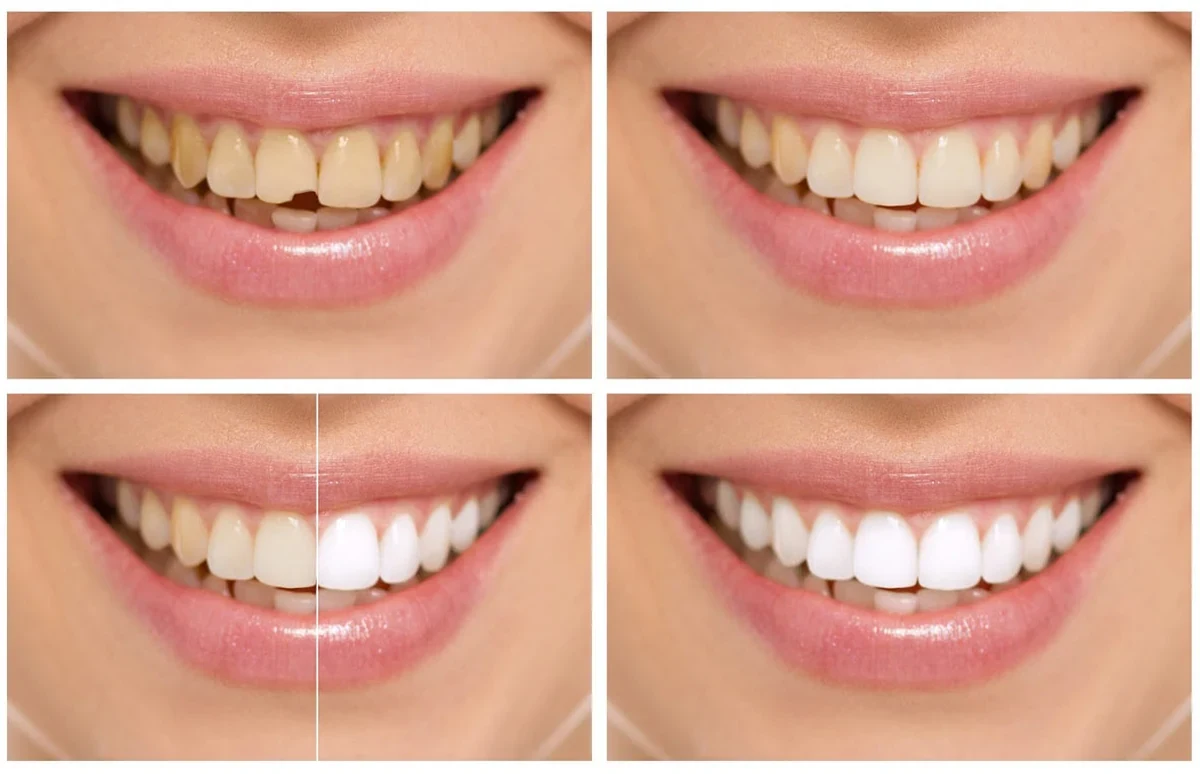
If you want whitening and new bonding, whitening is usually assessed first so the resin can be matched to a colour that has settled. Whitening changes natural teeth, while existing composite, crowns and veneers do not predictably lighten with them. The dentist checks visible restorations and whether sensitivity, decay or gum problems need attention before whitening is appropriate.
Allow the colour to stabilise before matching
The eventual bonding shade is normally chosen only after the dentist considers the post-whitening tooth colour sufficiently settled. The ideal interval is individual and depends on the whitening system and clinical protocol, rather than an arbitrary guarantee. Discuss realistic shade limits, translucency and how tooth dehydration during appointments can affect colour judgement. Composite can stain or change polish over time, so future maintenance must be part of the plan.
When bonding should not be the first option
Very minor enamel asymmetry may need no intervention; significant misalignment may be better addressed orthodontically before material is added. Large existing restorations or severely weakened teeth may require a different restorative approach. Bonding is useful for selected edge irregularities and small shape changes, but it is not a method of making unhealthy teeth look healthy. Preservation of enamel and an appropriate bite should remain priorities.
Planning visits from Broxbourne
For visits from Broxbourne, agree the sequence for the health assessment, whitening suitability, shade review and any bonding. The quote should show whether maintenance or repairs are included. Keep a record of the planned design where possible and understand the options if the natural teeth do not reach the expected shade.
The order of treatment can prevent a colour mismatch
Whitening agents change the shade of natural enamel and dentine but do not make existing composite resin or ceramic crowns lighter. If a front tooth is bonded to match your present colour and you later whiten its neighbours, the addition may stand out. For someone planning both treatments, it is often sensible to assess whitening first, allow the shade to stabilise, then select the bonding shade. The exact interval depends on the whitening approach and clinical judgement; it should not be reduced to a rigid number of days on an advertising page.
Check the health of the tooth before planning colour
Surface stain, decay, leaking fillings and colour changes within a tooth need different assessment; they will not all respond to whitening in the same way. A dark root-treated tooth differs from healthy enamel stained by tea. The dentist checks decay, exposed roots, inflammation and sensitivity before prescribing whitening. Visible crowns or veneers can also limit an even shade because their colour will not change like natural teeth. A simulation or shade guide helps explain these choices alongside the examination.
Decide where bonding genuinely adds value
Composite can reshape an edge, close a small space or add proportion to a slightly narrow tooth. It cannot safely compensate for every alignment problem by making the tooth wider or thicker. When teeth are crowded or the bite creates heavy contact on an intended new edge, Invisalign or other orthodontic movement may be considered before material is added. Conversely, someone with good alignment and one small chip may only need a very limited repair. This distinction can save time, preserve structure and make the result easier to maintain.
Keep future maintenance in the discussion
Natural teeth may change shade later, while resin can stain or lose polish and will not bleach to match them. The plan should explain polishing, touch-ups and when a colour adjustment might become relevant. A Cheshunt assessment can establish the appropriate sequence for Broxbourne patients. Request stage-by-stage costs: a published per-tooth starting fee is not a quotation for a complete multi-tooth plan.
When whitening should precede composite bonding
Agree the final natural-tooth colour before matching new bonding
If you want lighter natural teeth as well as new bonding, discuss both treatments before the resin shade is selected. NHS information notes that whitening changes natural teeth rather than existing fillings or veneers. Matching bonding to a colour you intend to change later can leave a restoration that no longer blends with its neighbours. [1]
Whitening first is a sequence to assess, not a compulsory treatment
A patient who is happy with the natural shade may not need whitening at all. The first decision is whether whitening is appropriate and wanted, followed by what the bonding should change. Ask which part of the proposed plan is necessary for dental health and which is an elective appearance change. A package should not obscure that distinction.
Arrange the timing with the treating dentist
The team should explain when colour will be reassessed and when bonding is appropriate for the whitening method used. Teeth can look different as they dry and rehydrate; a clinical colour study supports taking that into account. It did not test an adhesive protocol or establish one waiting period for all bleaching products, so your treatment needs its own timing advice. [3]
Existing bonding needs a separate decision
List the restorations already visible when you smile. They may remain satisfactory, need a local correction or require a different plan if the surrounding teeth change shade. Do not assume that all existing resin must be replaced merely because whitening is planned. A clinician should assess its actual condition and the intended colour relationship. [1][4]
Make the quotation reflect the whole agreed sequence
Confirm the whitening method, the teeth to be bonded, the shade review, any temporary or preparatory steps and the costs of clinically reasonable alternatives. Ask what happens if the natural teeth do not reach the intended shade or sensitivity affects the plan. Changing the treatment sequence or extent should be explained before proceeding. [1]
Research and guidance
Your next step, when you’re ready
We would be pleased to welcome you for a £30 consultation at your preferred Iconic Smiles practice. Bring your questions, and we can talk through the options that may suit you.
Any additional investigations and their fees will be explained before you decide.