
Healthy teeth and gums
Bleeding Gums, Brushing Damage and Gingivitis
Bleeding is a sign to investigate, not a reason to abandon cleaning. Plaque-induced gingivitis can cause swollen, bleeding gum margins and may improve with effective plaque removal.
Ask us about your teeth and gums
You can talk to our team about your concerns and what you would like to improve. A £30 planned-treatment consultation is a simple way to start exploring your options.
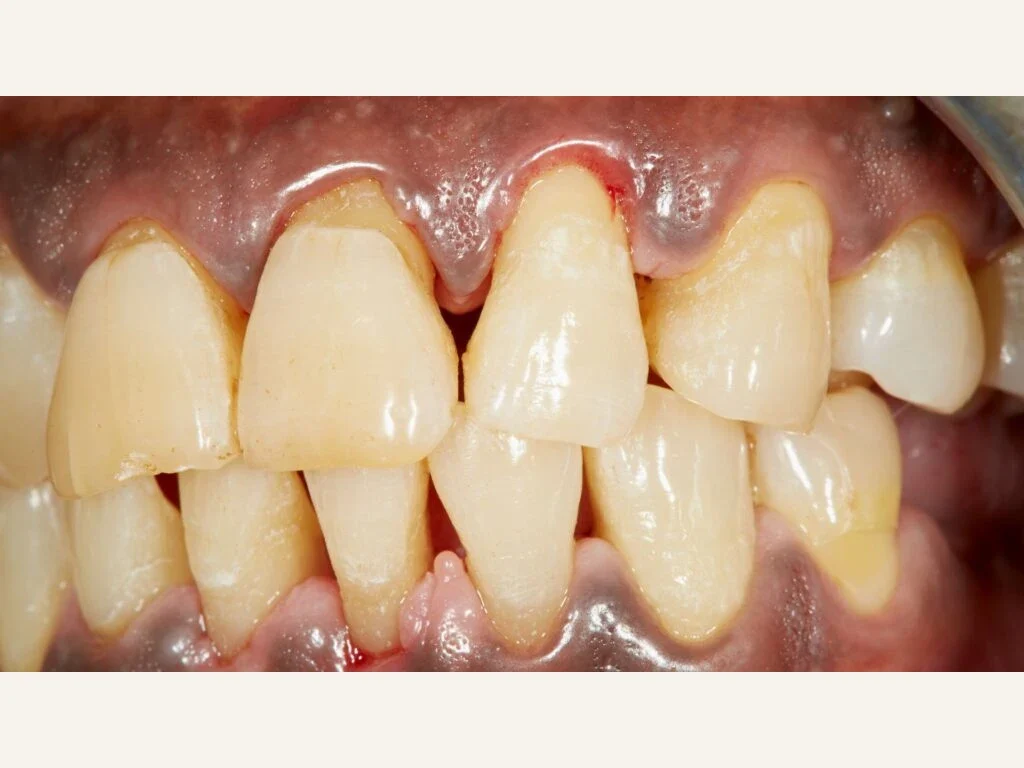
Bleeding is a sign to investigate, not a reason to abandon cleaning. Plaque-induced gingivitis can cause swollen, bleeding gum margins and may improve with effective plaque removal. Periodontitis involves loss of the tissues supporting the teeth and requires a different level of examination and maintenance. Recession, meanwhile, may involve brushing trauma, thin gum tissues or gum disease.
Can hard brushing cause gum recession?
Hard brushing can contribute to recession and wear near the gum, particularly with aggressive sideways scrubbing. Other contributors include inflammation, thin gum tissue and tooth position. The dentist can watch your technique and assess pressure, bristle softness, anatomy and signs of gum disease. A soft brush used gently with controlled pressure may reduce trauma, but gentler brushing does not regrow an established receded gum line. Stopping cleaning allows plaque-related inflammation to worsen. Increasing recession or persistent root sensitivity needs assessment and, where appropriate, monitoring or protection of the exposed surface.
Can stress cause bleeding gums without plaque?
Stress can affect cleaning routines, clenching, other health behaviours and the immune response, but bleeding should not be attributed to stress alone. Plaque remains the main cause of plaque-induced gingivitis. An examination can check deposits, gum measurements, smoking, medicines and possible medical contributors, then guide cleaning and any necessary gum treatment. Bleeding that persists despite effective cleaning or happens spontaneously deserves review. Initial bleeding is not, on its own, a reason to abandon cleaning between teeth.
What is the difference between gingivitis and periodontitis?
Gingivitis is inflammation of the gum without the loss of supporting attachment that defines periodontitis. It can often improve with effective plaque removal and professional care where needed. Periodontitis damages the supporting tissues; stopping bleeding alone does not restore that lost support. Both conditions can bleed, so appearance is insufficient to tell them apart. The dentist uses the history, pocket and attachment measurements and relevant X-rays to assess bone loss. The diagnosis then guides treatment, home care and follow-up.
Bleeding during flossing: inflammation or injury?
For example, an inflamed area may bleed when floss first reaches a space that has not been cleaned regularly. That does not necessarily mean the floss caused the problem, although sawing it into the gum can injure it. A demonstration can show how to guide floss or choose an interdental brush for the space. Exposed root dentine from recession also needs distinguishing from active inflammation, as the two can call for different advice.
Using measurements to guide gum care
The appropriate treatment depends on the cause and pattern of the findings. Pocket depths, bleeding, recession and relevant medical or medication history help the dentist or hygienist explain what needs attention and how improvement will be checked.
Bleeding gums: when to arrange a gum assessment
If bleeding continues or occurs spontaneously, arrange a gum health assessment. The team can compare pocket and attachment measurements, review plaque and deposits, consider medicines or other medical factors, and assess the response to consistent home care. Bleeding alone cannot show the stage of gum disease or establish whether cosmetic treatment is appropriate.
Sources for further reading
Your next step, when you’re ready
We would be pleased to welcome you for a £30 consultation at your preferred Iconic Smiles practice. Bring your questions, and we can talk through the options that may suit you.
Any additional investigations and their fees will be explained before you decide.