
Healthy teeth and gums
Decay, bleeding gums and gum-line planning before veneers
A veneer covers part of the visible tooth, not the entire risk of dental disease.
Ask us about your teeth and gums
You can talk to our team about your concerns and what you would like to improve. A £30 planned-treatment consultation is a simple way to start exploring your options.
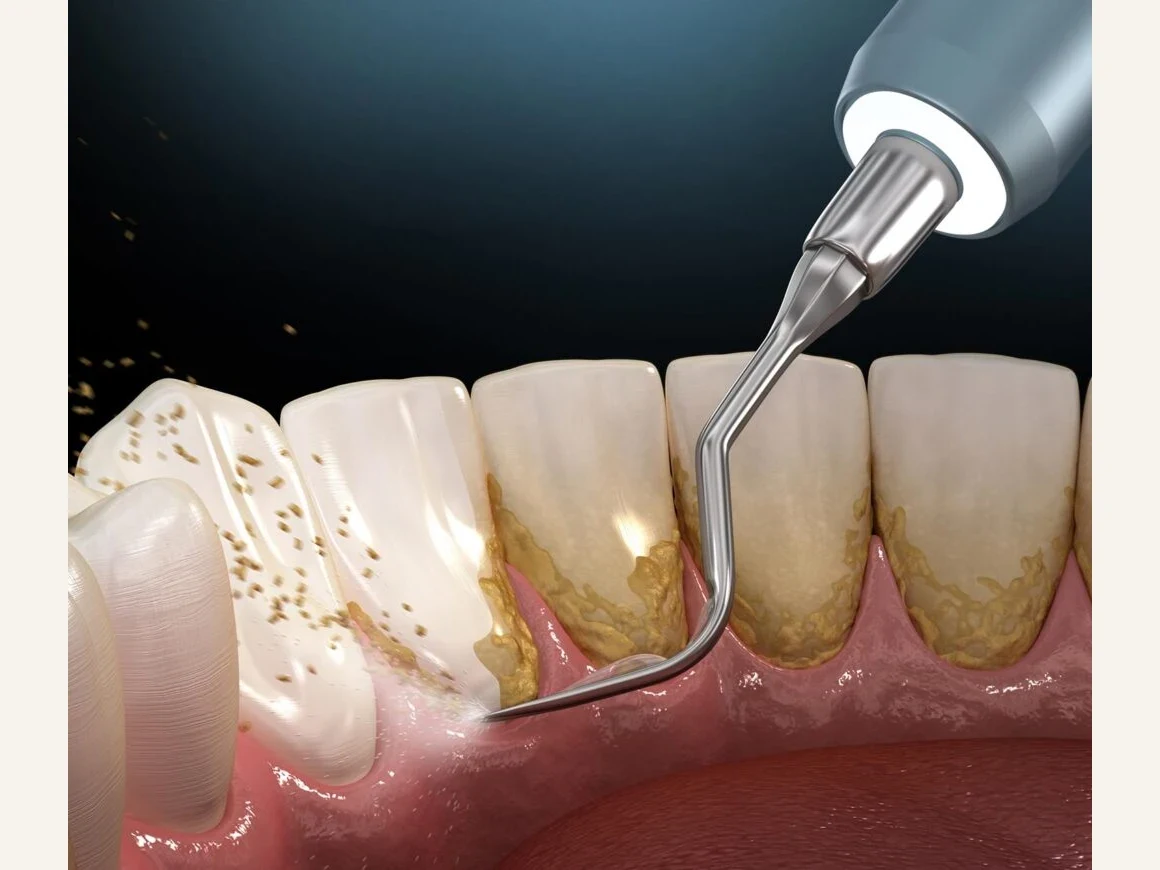
Veneers do not prevent decay, and gum health needs to be stable before elective treatment is planned. Decay can develop on exposed tooth or at margins where plaque collects. Bleeding can interfere with impressions and bonding, while uneven gum levels may partly explain why teeth look different lengths. These findings need assessment before choosing the final veneer design.
Can decay develop under a porcelain veneer?
Ceramic itself cannot decay, but the tooth around or beneath its margins remains vulnerable. The dentist checks the seal and condition of the margins, plaque retention, symptoms, gums and overall decay risk. A dark line or stain alone does not establish decay. Small accessible lesions may be treatable, while advanced problems can require replacement of the veneer. Careful brushing at the margin, cleaning between teeth and routine examinations remain necessary. Report new sensitivity or floss catching so the area can be checked.
Can you have veneers with bleeding gums?
Bleeding around a proposed veneer tooth may reflect gingivitis, periodontitis or irritation from plaque, an overhang or a bulky existing restoration. These causes need assessment and gum health should be stabilised before elective preparation and bonding where appropriate. Unstable tissues can obscure contours and interfere with accurate impressions, clean bonding and maintainable margins. Porcelain cannot treat the underlying inflammation or replace effective cleaning. The final contacts and margins should remain accessible for floss and daily care without persistent irritation.
Why might a dentist discuss gum contouring before veneers?
Uneven gum levels can come from anatomy, tooth position, eruption, recession or disease, even where crown lengths are similar. Before contouring is proposed, the assessment considers gum health, supporting attachment, bone position, smile line and proportions. Removing tissue without respecting the attachment needed above the bone can expose roots or create unstable margins. Surgery is not a routine requirement for veneers. Orthodontic movement, conservative restorative contours or accepting a small difference may be more suitable, depending on the cause and the agreed appearance goal.
Reassessing the gumline after inflammation settles
For example, inflammation can make a planned margin difficult to record accurately. Treating it first allows the team to reassess the true tissue contour before finalising the restoration. An uneven line should then be explained by its cause, rather than lead automatically to surgery to make every gum height identical.
Establishing stable tissues before porcelain
A treatment plan should address active disease, cleaning and stable tissue levels before elective porcelain work. If gum contouring is recommended, you should understand the specific benefit, its effect on attachment and proportions, and the reasonable alternatives.
Sources for further reading
Your next step, when you’re ready
We would be pleased to welcome you for a £30 consultation at your preferred Iconic Smiles practice. Bring your questions, and we can talk through the options that may suit you.
Any additional investigations and their fees will be explained before you decide.