
Healthy teeth and gums
Dry Mouth and Dental Health: Causes, Risks and Treatment Options
Dry mouth may relate to dehydration, prescribed medicines, mouth breathing, anxiety or cancer treatment.
Ask us about your teeth and gums
You can talk to our team about your concerns and what you would like to improve. A £30 planned-treatment consultation is a simple way to start exploring your options.
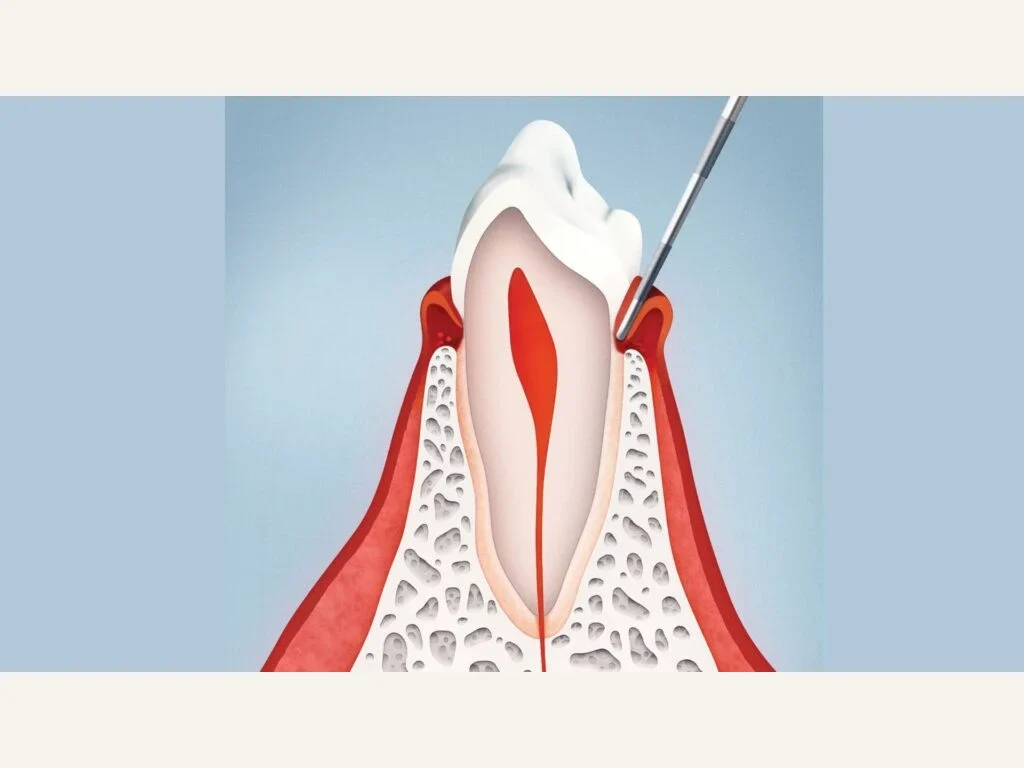
Dryness has several possible causes
Dry mouth may relate to dehydration, prescribed medicines, mouth breathing, anxiety or cancer treatment. Persistent symptoms can also occur with conditions such as diabetes or Sjögren's syndrome. The relevant question is what is causing your symptoms, particularly if they affect eating, speaking or comfort. [1]
Protect the teeth while the cause is investigated
Dry mouth increases the likelihood of tooth decay. Keep brushing twice daily and discuss your prevention needs with the dental team. The UK prevention toolkit supports using fluoride according to age and caries risk; a personalised plan matters when dryness accompanies active decay or complex medical care. [1][2]
Choose relief that does not create another problem
Regular sips of water and sugar-free gum may help. A pharmacist can advise on products that keep the mouth moist. If you have your own teeth, avoid acidic artificial saliva products; repeatedly using sugary or acidic drinks for relief can work against the aim of protecting those teeth. [1]
Do not stop a prescription medicine yourself
If you suspect a prescribed medicine is responsible, ask the GP or prescribing team for advice before changing it. Seek assessment when symptoms persist despite self-care or pharmacy treatment, or when the mouth is painful, swollen, bleeding or has sore white patches. Mention associated symptoms such as dry eyes or increased urination. [1]
Dry Mouth Caused by Medicines: Dental Risks and What Helps
Check the history without changing the prescription
Some prescribed medicines can cause dry mouth. Check the information leaflet and tell the prescribing team when the symptoms began, especially if a medicine or dose changed around that time. Do not stop a prescribed medicine without medical advice, even when the timing seems suggestive. [1]
Keep other causes in the assessment
Dehydration, mouth breathing, anxiety, oral thrush and some medical conditions can also contribute to dryness. More than one factor may be relevant. Describe whether the mouth feels dry throughout the day or mainly at night, and report other symptoms rather than attributing everything to the prescription automatically. [1]
Protect comfort and dental health
Dryness can make eating and speaking difficult and increases the risk of tooth decay. Ask a pharmacist about suitable moisture-relief products and the dentist about prevention. Avoid acidic artificial saliva products if you have your own teeth, and do not rely on frequent sugary or acidic drinks for relief. [1][2]
Persistent symptoms need a review
Seek GP advice when dryness persists despite self-care or pharmacy treatments, or the mouth is painful, swollen, bleeding or has sore white patches. Tell the dental team too, particularly if decay or difficulty cleaning has developed. The aim is to address the cause and the oral consequences together. [1]
Dry Mouth and Tooth Decay: Protecting Enamel and Roots
With less saliva, the mouth has less help neutralising acids, clearing sugars and repairing early mineral loss. Medicines and daily habits therefore matter when assessing decay risk.
A patient takes several prescribed medicines and wakes with a dry mouth.
Saliva helps neutralise acids, clear sugars and replace minerals in teeth. Medicines that reduce saliva can leave you vulnerable to rapid decay on exposed roots, even with reasonable brushing. The prescribing team can review medicines; your dental plan should also address fluoride and how often you have sugar, alongside relief from dryness.
Review dry-mouth triggers, fluoride exposure, sugar frequency, hydration and appropriate saliva substitutes.
Research and guidance
Your next step, when you’re ready
We would be pleased to welcome you for a £30 consultation at your preferred Iconic Smiles practice. Bring your questions, and we can talk through the options that may suit you.
Any additional investigations and their fees will be explained before you decide.