
Healthy teeth and gums
Gummy Smile Treatment: Causes and Available Options
A gummy smile means more gum tissue is visible when smiling than a person would like.
Ask us about your teeth and gums
You can talk to our team about your concerns and what you would like to improve. A £30 planned-treatment consultation is a simple way to start exploring your options.
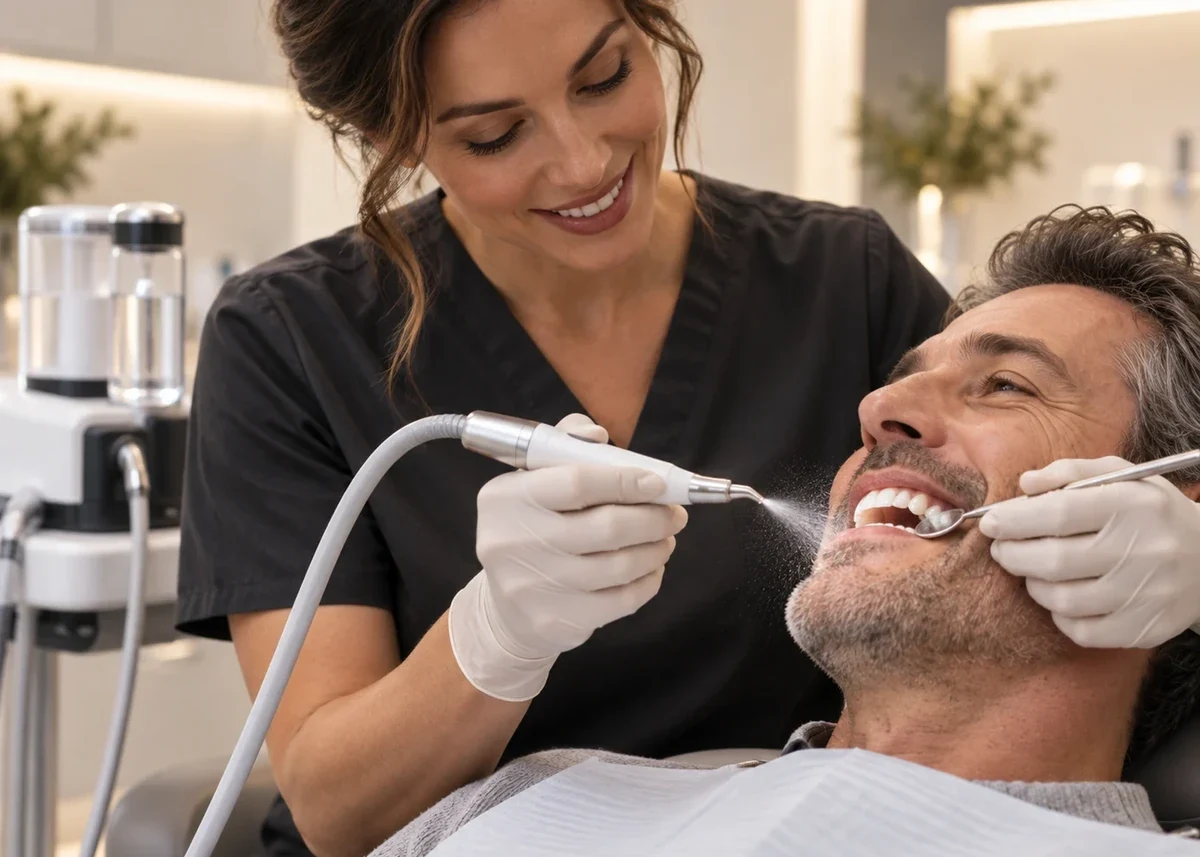
Treatment for a gummy smile depends on why the gum shows and whether you want to change it. Options may involve gum treatment, restoration, orthodontics or other appropriate care after assessment. There is no universal amount of visible gum that makes a healthy smile need correction; your goals and the anatomy guide the decision.
First determine what is making the gum show
Possible contributors include short clinical crowns, the position of the gum margin, tooth eruption pattern, lip movement, tooth position or underlying jaw relationships. Two smiles with the same amount of visible gum may therefore need completely different advice. Photographs at rest and during natural smiling can help explain the pattern.
Periodontal and restorative possibilities
If gum tissue covers an otherwise normally sized tooth, contouring or crown-lengthening may be considered after assessment. The dentist checks bone position, supporting tissue and any future restoration margins before recommending removal. If wear has shortened the tooth itself, rebuilding it may be more relevant than changing the gum.
Orthodontic and other approaches
Tooth positions or vertical bite relationships may call for an orthodontic assessment. Lip movement and jaw anatomy can need a separate discussion and may not change predictably with veneers or simple gum treatment. The plan should explain which feature it would alter and the limits and risks of the proposed approach.
Protect healthy tissue
Excessive reduction can cause recession, exposed root surfaces, sensitivity or unfavourable tooth proportions. Mock-ups and measurements should test the intended appearance and cleaning access. Doing nothing is a valid option when the tissues are healthy and the concern is purely personal preference.
Soft tissue appearance is dynamic
Gum inflammation can change visible margins, and its treatment may alter the eventual cosmetic design. Measurements should be made after disease control when possible. A mock-up that ignores tissue health can lead to incorrect tooth proportions or an unnecessary surgical proposal.
Respect speech, comfort and hygiene
Any aesthetic alteration should account for the movement of the lip, the position of natural tooth edges and the ease of brushing. Invasive changes based entirely on a fixed smile photograph can miss those practical issues. A satisfactory result is individually defined and should not be presented as a compulsory correction of healthy anatomy.
Before making a decision
Ask which anatomical feature is responsible for the visible gum, which interventions would actually alter it and what the irreversible consequences might be.
Match the treatment to the cause of excessive gum display
For crown-lengthening, the gum assessment checks whether enough attached tissue and suitable bone support are available. A short visible crown covered by tissue is a different finding from a tooth shortened by wear. Removing gum without checking the bone and attachment can expose roots or create uneven, unstable margins. The intended change should be measured rather than inferred from a smile photograph.
If the upper lip rises high or the jaws contribute to the appearance, different or combined care may be needed. Some non-surgical options give a temporary change rather than a permanent correction. Compare what each suitable option would change, including reversibility, recovery, cost and maintenance.
Understand the healing and maintenance implications
Gum contouring is not just a change in a photograph. Where tissue or bone must be reshaped, the final gingival position and time to settle depend on the procedure and individual healing. A symmetrical gum outline immediately after treatment does not guarantee the same appearance months later. Restorative work placed too soon after a surgical alteration may need reconsideration if the margin changes.
Clenching, untreated inflammation or thin gum tissue may add planning considerations. Where several teeth have different visible lengths, understand whether the proposal involves soft tissue alone, bone changes or additional ceramic or composite. Consent should cover the relevant risks of sensitivity, recession, relapse and further care, with leaving healthy anatomy unchanged included as a reasonable option.
Sources and professional guidance
- SDCEP — prevention and treatment of periodontal diseases in primary care
- NICE CG19 — dental review intervals and personalised risk
Applying the information:
Your next step, when you’re ready
We would be pleased to welcome you for a £30 consultation at your preferred Iconic Smiles practice. Bring your questions, and we can talk through the options that may suit you.
Any additional investigations and their fees will be explained before you decide.