
Dental implants — replacing missing teeth
Can a Front Dental Implant Be Colour-Matched to Your Natural Teeth?
Front implant aesthetics depend on more than a white crown: gum contours, translucency, tooth shape and lighting all matter.
Explore your tooth replacement options
If you are considering replacing a tooth or several teeth, a £30 consultation gives you a chance to explain what matters most, ask questions and explore the options with our team.
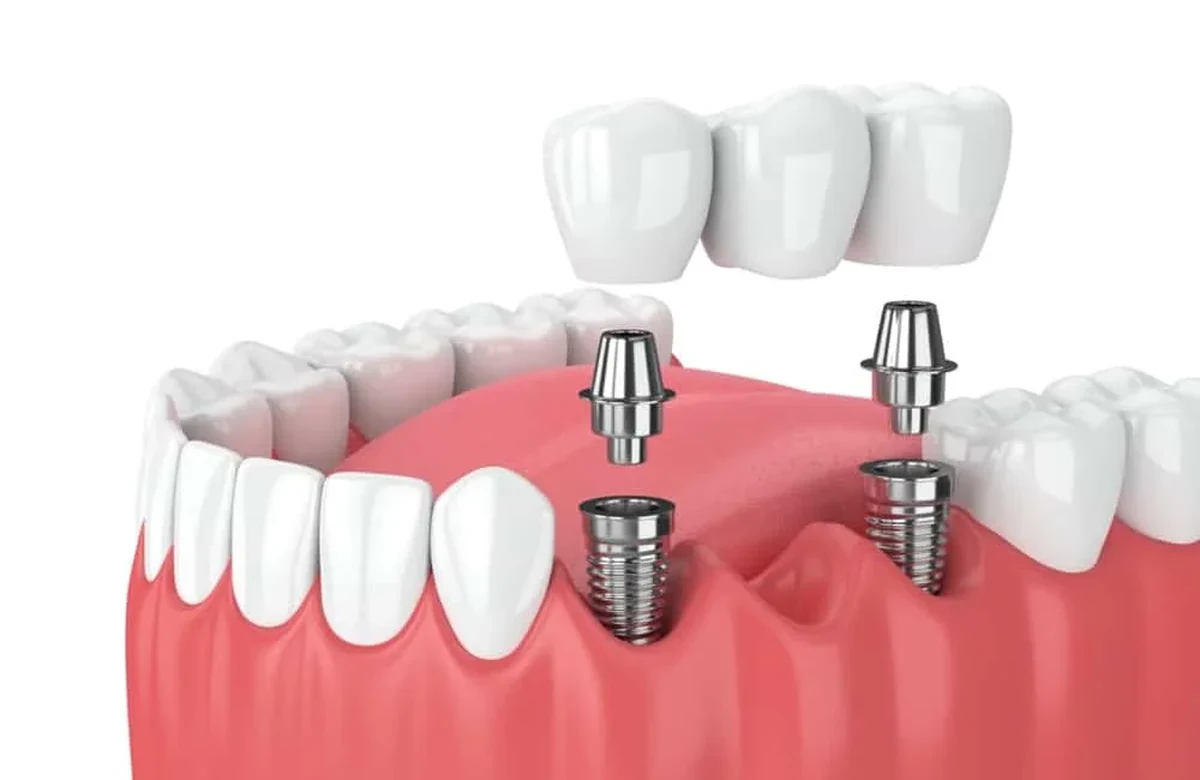
A front implant crown can be colour-matched to natural teeth, although an exact, invisible match cannot be guaranteed. The result also depends on tooth shape, translucency, gum contours and lighting. Planning these together gives a more realistic picture of what can be achieved than choosing a white shade alone.
Why front teeth are uniquely demanding
A single upper central incisor is particularly demanding because its natural neighbour provides a close reference whenever you speak or smile. Teeth vary in brightness, translucency, texture and the warmer shade near the gum, with different appearances under different light. Ceramic can reproduce many of these details. The clinician and laboratory need to consider the whole smile and explain the limits of the intended match.
The gum line can reveal more than the crown
Even beautifully matched ceramic may look artificial if the gum margin sits higher than the adjacent tooth or if the soft tissue is thin. After extraction, the ridge and papillae can change shape, sometimes making a natural-looking transition difficult. Implant position, residual bone, temporary restoration design and soft-tissue thickness influence what is achievable. A greyish shadow near the gum may relate to tissue thickness or the materials below, not simply an incorrect crown shade. For demanding cases, clinicians may discuss tissue augmentation or a modified restorative plan before any surgery.
Whitening and shade selection need sequencing
A frequent mistake is matching an implant crown to existing natural teeth and then deciding to whiten those teeth afterwards. Whitening gel acts on natural tooth tissue; a porcelain or zirconia implant crown will not lighten in the same way. If whitening is a patient goal, planning its timing before final crown shade selection may avoid a later mismatch. NHS guidance explains this distinction. A temporary restoration can also provide an opportunity to assess length, shape, speech and gum response before commissioning the definitive ceramic.
Digital technology helps, but does not replace judgement
Photographs, digital impressions and shade devices help the dentist communicate with the laboratory, provided the lighting and records are suitable. The ceramic, its thickness and the colour of the supporting abutment also affect appearance. Layered or carefully characterised single-piece ceramics may be chosen according to strength and appearance needs. A digital simulation helps discuss the design but cannot show the exact final result. Understand when you can assess the shade and how adjustments would be managed.
What happens when the gap has been empty for years?
A long-standing missing tooth may be associated with reduced ridge contour or movement of nearby teeth. The visible gap could be narrower than the original tooth, requiring orthodontic planning before placement. The gum volume may also be different from the neighbouring side. These are distinct problems from shade matching and may determine whether an implant, bridge or other approach provides the best appearance. The consultation should explain any compromises openly; a patient should not discover only at the final fitting that perfect gum symmetry was unlikely.
A patient-centred test of a natural result
Compare the proposed tooth with photographs of your natural shapes and discuss the brightness you want, viewing it under more than one light where feasible. The plan should explain the limits of available gum and bone, suitable alternatives and how a chipped crown could be retrieved for repair or revision. Cleaning access, comfort and a stable bite belong in the same decision as colour.
When not to chase perfect symmetry
Small differences in gum height, translucency and edge shape may remain because natural teeth and tissues are not identical. The clinician should distinguish limits caused by anatomy from changes possible in the crown. If several procedures are proposed for a small visual improvement, compare their risks with leaving that feature alone. The result also needs to function and stay clean without unnecessary pressure on vulnerable tissue.
Sources and professional guidance
Applying the information:
Your next step, when you’re ready
We would be pleased to welcome you for a £30 consultation at your preferred Iconic Smiles practice. Bring your questions, and we can talk through the options that may suit you.
Any additional investigations and their fees will be explained before you decide.