
Dental implants — replacing missing teeth
Dental Bridge or Implant: When a Bridge May Be the Better Choice
Patients replacing their first missing tooth often arrive expecting that an implant must be the premium solution.
Explore your tooth replacement options
If you are considering replacing a tooth or several teeth, a £30 consultation gives you a chance to explain what matters most, ask questions and explore the options with our team.
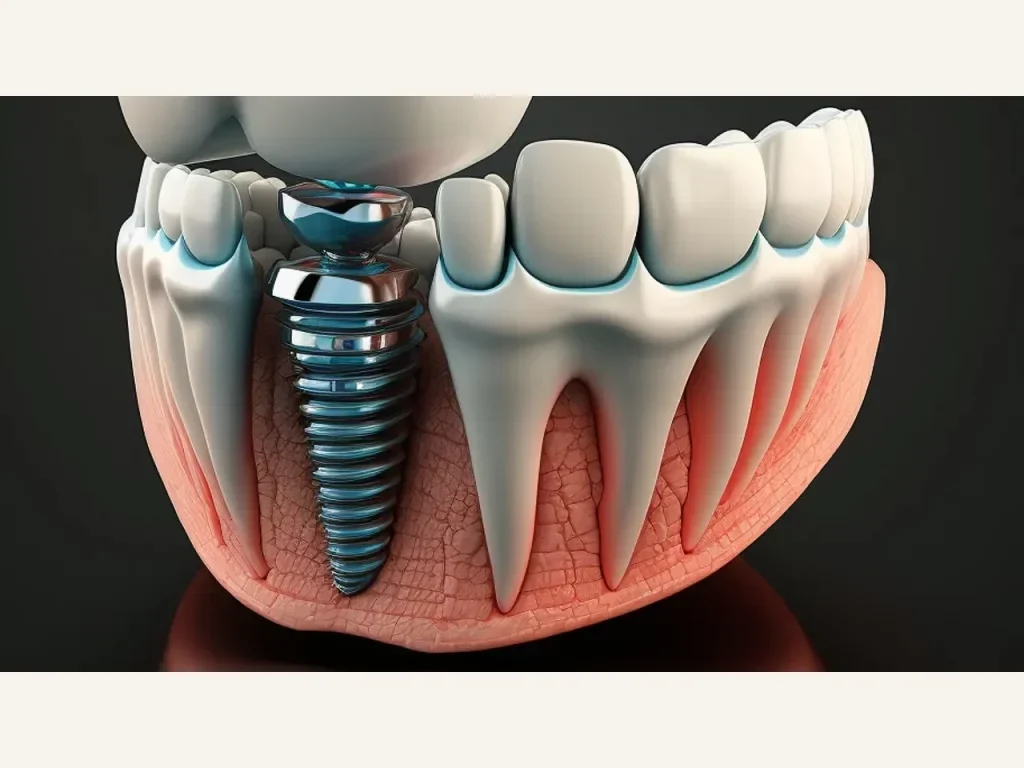
A bridge may be preferable to an implant when neighbouring teeth already need crowns, surgery is unsuitable or a different treatment sequence better suits your needs. An implant can avoid preparing adjacent teeth, which is valuable, but that advantage does not decide every case. The condition of the whole group of teeth matters alongside the gap.
Assess the supporting teeth honestly
A conventional bridge uses prepared teeth to support the replacement. If one or both supports already have large restorations and independently need coverage, the additional tooth-replacement function may fit the wider plan. If they are intact, cutting them down can sacrifice healthy tooth tissue and introduce future maintenance obligations. Radiographs and clinical examination help assess root support, gum health, existing fillings and the bite before a bridge is recommended.
What an implant avoids, and what it adds
An implant does not use the neighbouring teeth as bridge supports. However, it introduces a surgical phase, requires appropriate bone and gums, and may need a longer treatment sequence or augmentation. Medical circumstances, anatomical restrictions and individual preferences can make that route less attractive. A restorative comparison should discuss the practical impact on the patient's schedule as well as the anticipated longevity and cleaning requirements.
Resin-bonded bridges are a separate option
For some missing front teeth, a resin-bonded bridge uses a wing bonded to a neighbouring tooth with limited preparation. Its support differs from a conventional bridge, so the bite and the surface available for bonding need their own assessment. It may provide a conservative temporary option while an implant is postponed, or a longer-term replacement in a suitable case. The possibility of the wing coming unstuck belongs in the discussion without assuming this will happen.
The position of the gap matters
A short span replacing one anterior tooth presents different forces from a long posterior bridge. Larger spans, unfavourable supporting roots and certain bite patterns can place greater demand on the design. Gum loss can also affect appearance where an artificial tooth emerges from a reduced ridge. A bridge that looks acceptable on a model may need refinements for speech, cleaning or contact with the opposing teeth.
Cleaning and repair are not afterthoughts
Patients need a method of cleaning under a conventional bridge, often using appropriately sized interdental aids or floss-threading techniques. Implants similarly require careful cleaning around the crown–gum interface. The longevity of both options depends partly on the surrounding oral health and the ability to maintain the restoration. Discuss whether a component can be repaired independently and what might happen if a supporting tooth develops a problem.
Compare the practical differences
Compare the healthy tooth tissue each option would alter, any surgery, likely visits, appearance, cleaning and future maintenance. The NHS describes fixed bridges and implants as replacement options, although implants are commonly provided privately. You may reasonably choose a bridge for one site and an implant for another. The recommendation needs to fit each site and your priorities.
How the neighbouring teeth alter the recommendation
Consider a missing lower second premolar between a sound first premolar and a heavily restored molar. A conventional bridge could require cutting down the healthy premolar as well as using the molar for support; a suitable implant could avoid that preparation. If both neighbours independently need new crowns, including a replacement tooth in a bridge may make more sense. Neither situation establishes which will last longer for everyone. Root support, gum health, bite forces and cleaning access still matter, and a resin-bonded design may not suit a heavily loaded site. The plan should show which natural surfaces would change and how a future problem in a bridge support could affect the rest of the restoration.
Your next step, when you’re ready
We would be pleased to welcome you for a £30 consultation at your preferred Iconic Smiles practice. Bring your questions, and we can talk through the options that may suit you.
Any additional investigations and their fees will be explained before you decide.