
Dental implants — replacing missing teeth
Dental Implant vs Maryland Bridge: Which Suits One Gap?
When one front tooth is missing, the choice is often presented as an implant or a traditional bridge.
Explore your tooth replacement options
If you are considering replacing a tooth or several teeth, a £30 consultation gives you a chance to explain what matters most, ask questions and explore the options with our team.
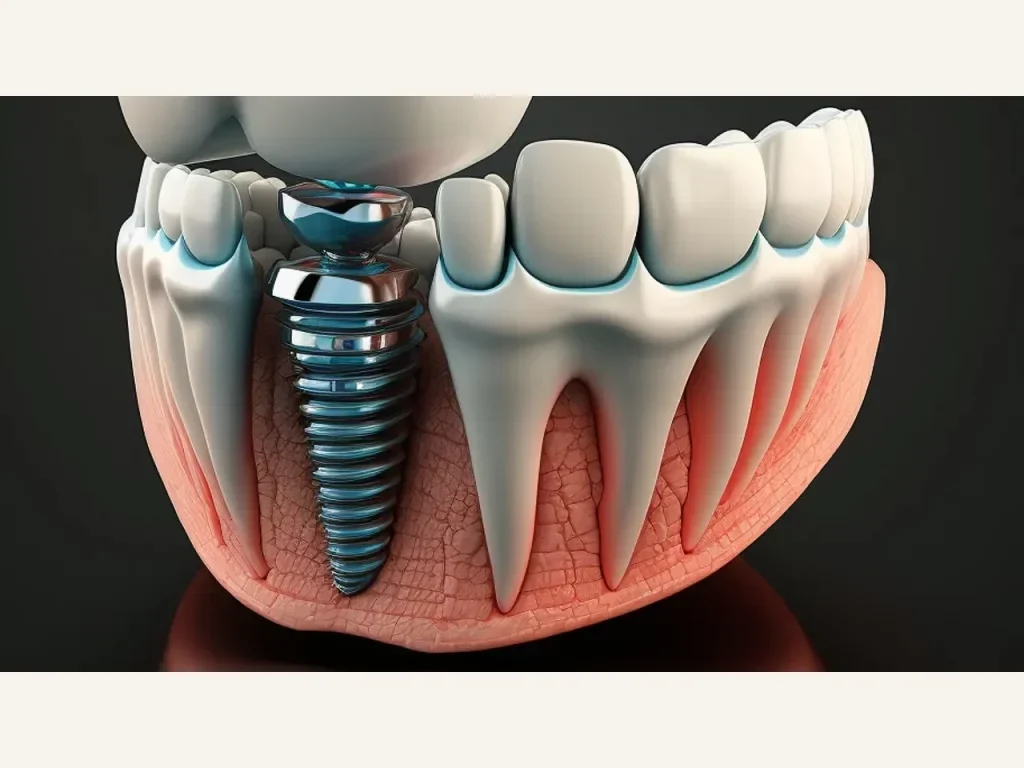
For one missing front tooth, a resin-bonded or Maryland bridge may be a suitable alternative to an implant. Its adhesive wing bonds to the back of one, or occasionally more, neighbouring teeth to support the replacement. This can avoid surgery and extensive preparation in selected cases. The better choice depends on the bite, supporting tissues and design rather than either option being inherently superior.
Compare what each treatment depends upon
An implant depends on suitable bone and soft tissues at the missing-tooth site, plus surgery and a restoration designed for ongoing maintenance. A resin-bonded bridge depends on the enamel area, condition and alignment of one or more supporting teeth and whether the biting contacts allow a predictable adhesive design. An implant is independent of adjacent teeth in one sense, yet its aesthetics are strongly affected by their position and the gums between them. A bridge needs no implant fixture but relies on a stable bond to the natural abutment tooth.
Why the bite can decide the issue
A front replacement tooth must fit into speech, guidance during jaw movement and the space available behind the incisor. A deep bite may bring the opposing lower teeth into contact with the bonding wing or replacement tooth. In some mouths this can be accommodated through design; in others it makes a particular bridge configuration less suitable. The clinician should assess static bite contacts and movements, not merely take an impression of a gap. Likewise, teeth that need orthodontic repositioning may be better aligned before the definitive restoration is chosen.
The gumline and the space beneath it
An implant crown comes through the gum, while the bridge's replacement tooth, called a pontic, sits over the ridge and can be shaped to meet it naturally. A deficient ridge can make either result more demanding. Selected contour changes or a temporary tooth may help. With a missing lateral incisor, previous movement or development can alter the gap, so proportions need assessment before either restoration is made.
Treatment time, reversibility and repair
A well-designed resin-bonded bridge can be provided without waiting for implant integration, and it may retain future implant options if tissue and enamel are respected. The adhesive joint can detach and may be rebondable, but repeated loss calls for investigation of fit, surface treatment and bite rather than simply more glue. An implant follows a surgical pathway with healing, restorative appointments and long-term monitoring. Both require ongoing care. A bridge should be flossed or cleaned around its pontic, while an implant restoration needs cleaning around the gum and contacts.
When an implant may be more appropriate
An implant may be favoured where bone and root positions allow an ideal fixture, the patient wants an independently supported fixed tooth and the adjacent teeth are unsuitable for a reliable resin bond. Conversely, a bridge may be favoured in a young person who has not completed growth, someone wishing to avoid surgery or a patient with particularly favourable enamel and bite conditions. This should not become an oversimplified age rule: medical history, available space, aesthetic expectations and the stability of adjacent teeth matter more than a marketing preference.
Decide by comparing two drawn-up restorations
Compare a proposed design for each suitable option: tooth shape, any changes to neighbours, preparation, cleaning and repair. The estimate should cover the complete stages, including surgery, grafting and crown where needed for an implant, or design, laboratory work and bonding for a bridge. This helps you judge whether the additional demands of an implant offer worthwhile benefit or a conservative bridge better meets your aims.
Evidence and further reading
Choosing a replacement for one gap
Compare what each design would require of the neighbouring teeth, how it would look and how it would be serviced. Include the stages of treatment and continuing care when weighing the cost.
Iconic Smiles practices are in Hatfield and Cheshunt in Hertfordshire, and Friern Barnet in North London. If travelling from Bedfordshire, Buckinghamshire or Essex, confirm the actual practice for each appointment.
Your next step, when you’re ready
We would be pleased to welcome you for a £30 consultation at your preferred Iconic Smiles practice. Bring your questions, and we can talk through the options that may suit you.
Any additional investigations and their fees will be explained before you decide.