
Dental implants — replacing missing teeth
Dental Implants with Diabetes or High Blood Pressure
Living with diabetes or treated high blood pressure does not automatically mean that dental implants are unavailable.
Explore your tooth replacement options
If you are considering replacing a tooth or several teeth, a £30 consultation gives you a chance to explain what matters most, ask questions and explore the options with our team.
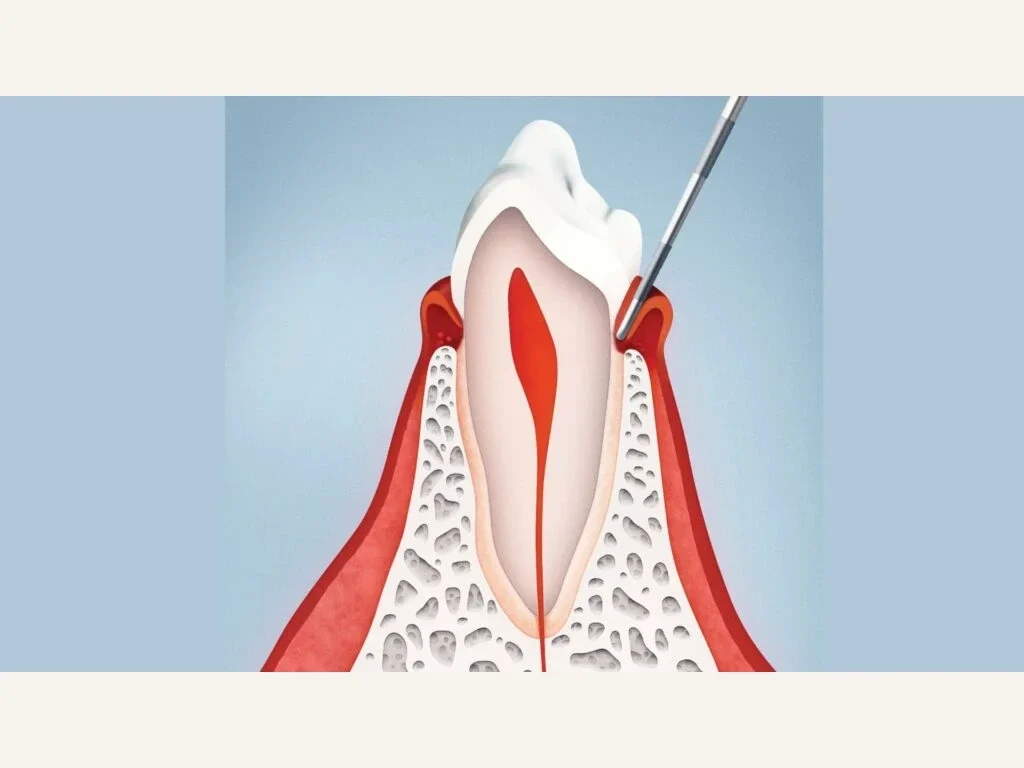
Diabetes or treated high blood pressure does not automatically rule out dental implants. Suitability depends on current health, medicines, gums, cleaning and the procedure proposed. Accurate medical information helps the dentist identify risks that need addressing and agree an appropriate surgical timetable, rather than decide from the diagnosis alone.
Diabetes: control and gum health are central
Diabetes can influence inflammatory responses and the relationship between periodontal tissues and healing. The dentist may ask about the most recent HbA1c, episodes of poor control, other medical complications and whether gums bleed or periodontal pockets have been diagnosed. A normal-looking gum margin alone is not enough to rule out gum disease. Well-controlled diabetes may be compatible with implant treatment in suitable patients; poorly controlled disease may make elective surgery or complex reconstruction less advisable until the clinical situation improves. The dental team may communicate with the GP or relevant medical clinician when needed rather than changing diabetes medication itself.
Blood pressure and treatment planning
A recorded blood-pressure reading helps assess whether elective surgery should proceed, be monitored or be deferred for medical advice. The approach depends on the level, symptoms and overall history, not an internet threshold used without context. Discuss any prior cardiovascular events and all prescribed drugs. Local anaesthetic choices, anxiety management and appointment length may need consideration. Patients should not stop blood-pressure medicine or antiplatelet medication based on a blog. The clinician can coordinate with the patient's medical team where medication changes or significant risks require specialist advice.
The implant site needs its own assessment
Medical optimisation does not replace the local dental examination. Existing gum inflammation, heavy deposits, missing-tooth space, the condition of the adjacent teeth and available jawbone all affect treatment. Imaging is selected for a clinical question, such as available ridge width or proximity to vital structures; CBCT is not justified merely by having a medical diagnosis. The dentist should show how the proposed crown will be cleaned and whether its contours create avoidable food trapping. Some patients benefit from periodontal care before surgery so maintenance is feasible once the new tooth is fitted.
Consider the whole medication list
People may take multiple drugs, including anticoagulants, antiplatelet medicines or agents affecting bone metabolism. Each can require a different assessment, and the appropriate response is not to stop treatment independently. Provide the practice with medication names, doses, allergies and relevant hospital letters where available. Some medicines influence soft-tissue symptoms such as dry mouth, which may indirectly affect oral health. Decisions about antimicrobial cover or medication adjustment need a prescribing clinician and a genuine indication, not a standard routine added to every implant case.
Compare implant surgery with other replacement choices
An implant may preserve neighbouring teeth from bridge preparation, but it entails surgery and continuing professional maintenance. In selected cases a conventional or resin-bonded bridge may offer acceptable tooth replacement with a different risk profile. A removable denture is another option. Discuss personal priorities such as chewing, appearance, ability to clean, medical appointments and overall cost. The right answer for a person with stable health and excellent periodontal control may differ from someone whose systemic condition is currently unsettled.
Make the consultation useful
Bring relevant test results, medical history and your medicines list. The consultation should explain whether treatment is suitable now, what may need improvement and whether medical advice or referral is needed. A staged written estimate can then link those decisions to the proposed tooth and maintenance plan.
Evidence and further reading
The practices are in Hatfield and Cheshunt in Hertfordshire, and Friern Barnet in North London. If travelling from Bedfordshire, Buckinghamshire or Essex, use the actual clinic address on your confirmation.
Your next step, when you’re ready
We would be pleased to welcome you for a £30 consultation at your preferred Iconic Smiles practice. Bring your questions, and we can talk through the options that may suit you.
Any additional investigations and their fees will be explained before you decide.