
Dental implants — replacing missing teeth
Socket Preservation Before Implants: Is It Worth It?
Learn why socket preservation may be discussed before an extraction and how the plan for a future implant affects this decision.
Explore your tooth replacement options
If you are considering replacing a tooth or several teeth, a £30 consultation gives you a chance to explain what matters most, ask questions and explore the options with our team.
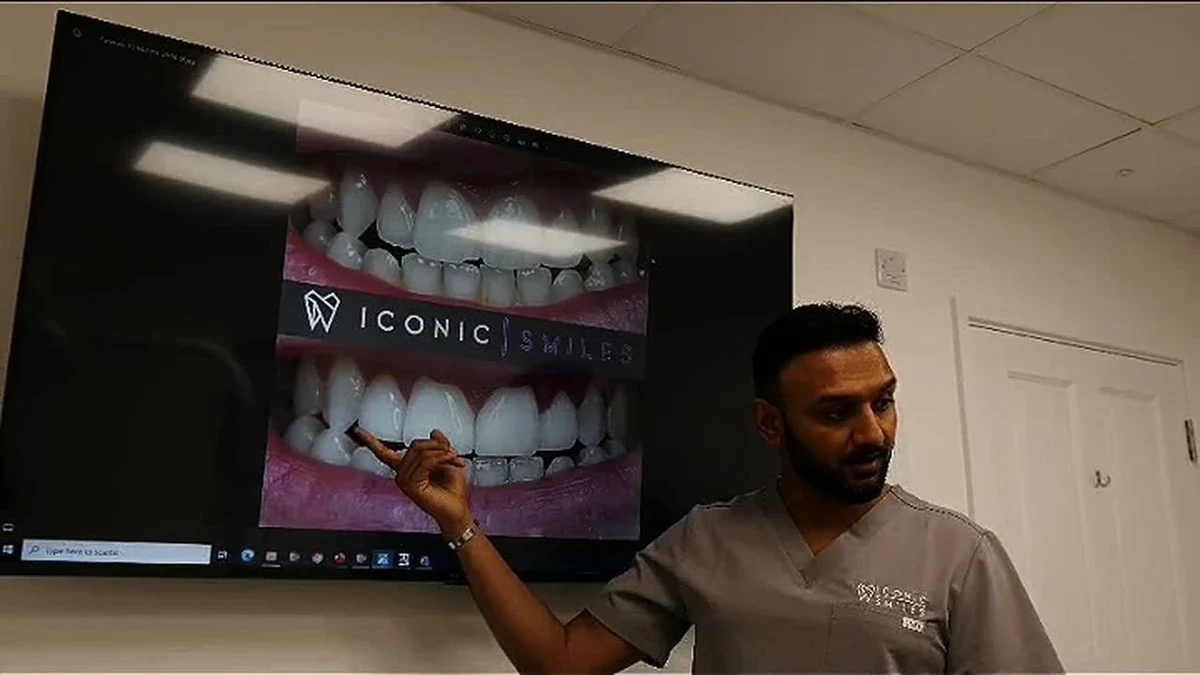
Socket preservation may help retain some ridge shape for a future implant, but its value depends on the extraction site and the replacement planned. The ridge usually changes as it heals after a tooth is removed. The procedure, also called alveolar ridge preservation, places suitable graft material in the socket, sometimes with a protective membrane, to moderate those changes. It cannot hold the bone unchanged or guarantee an implant without further grafting. If you are considering replacement, discuss the options before extraction so that stage can be planned appropriately.
The ridge has a width and a contour, not just a height
A front tooth sits behind a thin outer plate of bone in many patients. Removing the tooth may leave this delicate wall vulnerable to resorption, which can affect where the final implant crown appears to emerge from the gum. A back tooth has a different challenge: its broad extraction socket may heal into a ridge that is narrower or uneven relative to the intended implant position. The amount of change varies between sites and people. A scan or appropriate radiograph, clinical examination and assessment of neighbouring gum contours tell the clinician more than a blanket claim that every socket needs grafting.
What the treatment actually involves
After careful extraction and cleaning, the clinician may place particles of graft material and a collagen membrane or another suitable barrier. They provide a framework during healing rather than immediately becoming your own living bone. Depending on the technique, the socket may be closed or a selected membrane left to heal in a more open arrangement. Socket walls, infection, soft tissues and implant timing guide the choice. This is different from a larger ridge-building operation carried out later.
Evidence supports a modest, variable benefit
Trials and reviews generally find less average loss of ridge dimensions after preservation than after healing without it. The benefit varies. A 2026 review reported less early loss of width and height on the facial side, but judged the evidence low certainty because studies differed substantially. This can inform a site-specific decision; it does not establish that grafting every socket improves long-term implant survival. The useful question is whether maintaining those dimensions would improve the replacement options for your tooth.
How it changes the timeline
The extraction site still needs time for tissue maturation, and a later implant may or may not require additional grafting. Some patients can have an implant placed immediately into a carefully selected fresh socket; others benefit from early or delayed placement. Preservation is usually considered when immediate implantation is not selected but maintaining ridge shape would be useful. A temporary adhesive bridge, removable tooth or other provisional solution may protect appearance during healing. These arrangements should avoid placing damaging pressure on a fragile grafted area, especially at the front of the mouth.
The most useful consultation questions
Before agreeing preservation, understand whether the outer socket wall is intact, what contour change could mean for the crown and the origin of the proposed graft material. Discuss alternatives and what would happen if healing differs from expectations. A bridge or suitable orthodontic movement may change the need for implant surgery. The estimate should separate extraction, preservation, implant placement, abutment and crown.
A restoration-led decision
A pleasing implant is not simply a screw surrounded by sufficient bone. The gumline, contact points, crown width and access for cleaning all matter. Preservation may help maintain the site in which those features must later be created, but the final plan should still start with the intended replacement tooth. If an extraction is likely and you have not yet decided about an implant, ask for a replacement assessment before the tooth is removed. That conversation may preserve options that are difficult to recreate afterwards.
Evidence and further reading
Deciding before an extraction
An assessment before removal can help you compare the replacement options, the likely stages and any reason to preserve the socket. Confirm the appropriate appointment and its fee when booking.
Iconic Smiles practices are in Hatfield and Cheshunt in Hertfordshire, and Friern Barnet in North London. If travelling from Bedfordshire, Buckinghamshire or Essex, confirm the actual practice for each appointment.
Your next step, when you’re ready
We would be pleased to welcome you for a £30 consultation at your preferred Iconic Smiles practice. Bring your questions, and we can talk through the options that may suit you.
Any additional investigations and their fees will be explained before you decide.