
Dental implants — replacing missing teeth
Replacing a Knocked-Out Front Tooth
Losing an upper front tooth in an accident can make a person want the fastest permanent replacement available.
Explore your tooth replacement options
If you are considering replacing a tooth or several teeth, a £30 consultation gives you a chance to explain what matters most, ask questions and explore the options with our team.
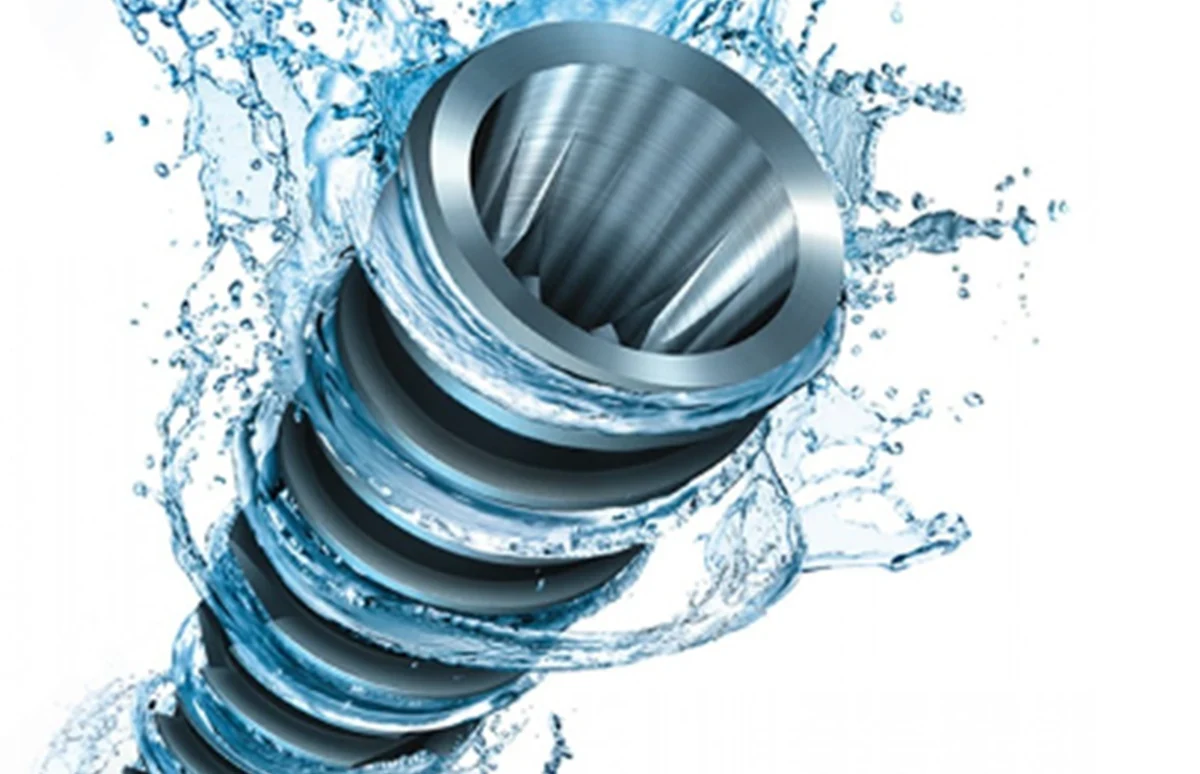
A newly knocked-out permanent front tooth needs emergency dental advice immediately, because saving it may still be possible. If it cannot be maintained, an implant is one replacement option after the injury has been assessed. Trauma can also damage socket bone, neighbouring teeth and gum contours. Those findings determine the temporary tooth and whether an implant, a staged approach or a bridge is appropriate.
First establish the injury and remaining anatomy
The clinician needs to consider the circumstances of the trauma, any fragments, the adjacent roots, supporting bone and the bite. If a natural permanent tooth has been completely knocked out, urgent management may be time-sensitive; patients should seek emergency dental advice immediately rather than assuming extraction and implant placement are inevitable. Once a tooth is no longer maintainable, radiographic and soft-tissue assessment clarifies whether the planned site could accommodate an implant safely.
Why an immediate implant is not always best
Immediate placement may be possible in selected sockets, but damage to the thin bone wall towards the lip, infection or an unfavourable gum shape may favour stages of treatment. The implant needs the position required by the final crown, rather than simply following the lost root's path. Where gums show when smiling, a small tissue change can make a crown look longer or uneven. A good-looking temporary cannot guarantee that those contours will remain unchanged.
What you can wear during healing
A resin-bonded temporary tooth, removable provisional or another appropriate replacement can preserve appearance while the site heals. It should avoid excessive pressure on vulnerable tissues and allow hygiene around the socket or grafted site. The patient should understand which provisional is removable, what foods to avoid and how it will be adjusted if the tissue contour changes. If orthodontics is needed to correct spacing or root position, the temporary may need to work alongside retention appliances.
Matching the final tooth
An isolated front implant crown must harmonise with the neighbouring incisor's length, translucency, surface texture and gingival margin. Clinical photographs, shade mapping and collaboration with a skilled dental laboratory can improve communication. The planned emergence profile must be cleanable and mechanically appropriate; an excessively wide crown used to mask tissue loss can compromise both appearance and maintenance. Sometimes a bridge or restorative treatment of the adjacent teeth presents a different aesthetic balance.
Understand alternatives and contingencies
A resin-bonded bridge may avoid surgery if adjacent enamel and bite conditions are suitable. A conventional bridge can provide a fixed result but usually involves preparation of supporting teeth. For a younger patient, growth and orthodontic plans may favour a temporary solution. Ask the treating team what they would do if the bone wall is inadequate for immediate placement and how the treatment timeline, costs and appearance would change.
An illustrative front-tooth pathway after trauma
For example, after a cycling collision with loss of an upper front tooth, urgent care addresses the injury and neighbouring teeth first. If the tooth cannot be kept, an adhesive temporary may fill the visible gap while the socket wall and gums are assessed. A later three-dimensional scan may be justified to answer implant-planning questions. Damage to the bone towards the lip can mean staged tissue treatment and careful temporary shaping, with limits on recreating the former gumline. Explain those limits before choosing the permanent replacement.
An older front-tooth gap may present a different challenge: enough bone but neighbouring roots too close together. Limited orthodontics may improve the space before surgery. For either situation, establish the temporary option, the surgical or non-surgical route and future care. Include what the tooth and gum may look like in a full smile, with realistic uncertainty about the match.
Your next step, when you’re ready
We would be pleased to welcome you for a £30 consultation at your preferred Iconic Smiles practice. Bring your questions, and we can talk through the options that may suit you.
Any additional investigations and their fees will be explained before you decide.