
Dental implants — replacing missing teeth
Replacing a Tooth After an Accident: Your Options
After a dental injury, the first decision is whether the natural tooth can be saved. If replacement is needed, compare temporary care, implants, bridges and removable options.
Explore your tooth replacement options
If you are considering replacing a tooth or several teeth, a £30 consultation gives you a chance to explain what matters most, ask questions and explore the options with our team.
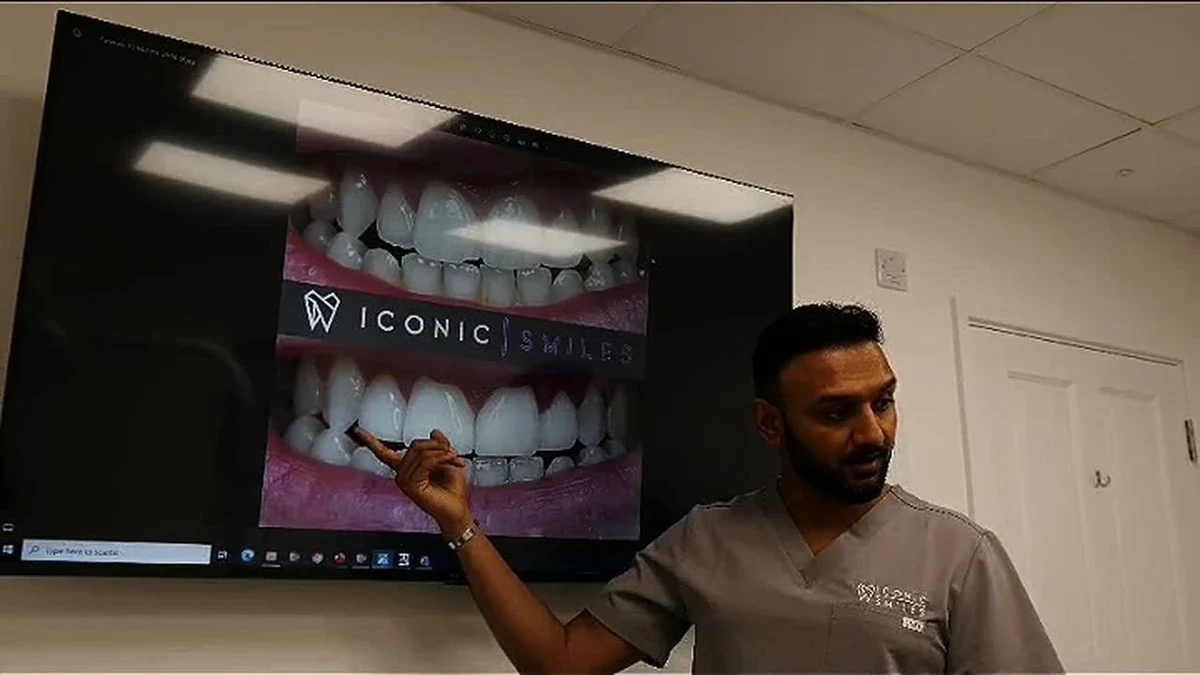
After an accident, saving the natural tooth comes before choosing a replacement. A knocked-out permanent tooth needs immediate dental care: handle it by the crown, avoid touching the root and obtain urgent advice about reinsertion or storage in milk or saliva. Never put a baby tooth back. Fractures, displaced teeth and injured lips or gums also need assessment. Serious facial injury, uncontrolled bleeding or breathing difficulty requires emergency medical help.
What may still be saved
Even a badly damaged-looking front tooth can sometimes be stabilised, restored or treated endodontically. The clinician must assess the root, socket, supporting bone, bite and pulp status. Trauma can have delayed consequences, so follow-up matters even if the tooth initially feels better. If a tooth cannot be retained, the reasons should be explained before a replacement strategy is selected.
Why implant timing after trauma is individual
An injured socket may have fractured bone, compromised gum tissues or damage involving neighbouring teeth. Those factors influence whether replacement should be delayed, whether grafting is needed and how a temporary tooth is provided. Younger patients may still be growing, making implant timing especially important. An adhesive bridge or removable provisional tooth can sometimes maintain appearance during review and healing.
Planning care near Waltham Abbey
Call for triage and explain the mechanism and time of injury. Keep any recovered tooth fragments, photographs and hospital paperwork. Ask which Iconic Smiles location can provide the urgent assessment and whether later restoration is managed elsewhere within the group. Do not let a cosmetic plan displace timely emergency assessment or follow-up of the injured teeth.
Your local appointment and follow-up
For urgent symptoms, use the appropriate assessment route rather than wait for an online enquiry response. Breathing-related swelling, serious facial injury or uncontrolled bleeding needs emergency medical help. After immediate treatment, obtain a written follow-up plan and clear advice on changes that need further contact.
The first decision after a lost tooth is whether it can be saved
An accident may chip a crown, fracture a root, dislodge a tooth or knock it out altogether; these have different immediate management needs. A knocked-out permanent tooth is time-critical and needs urgent professional advice, while a chipped edge without pain may allow more measured assessment. The position and integrity of the root, gum tissues and surrounding bone determine whether a natural tooth can be retained. This is especially important for a visible front tooth, where the final gum line and neighbouring teeth influence the aesthetic outcome. Replacing an injured tooth should not be the default until preservation options have been considered.
If replacement is necessary, compare the temporary and permanent phases
A patient with a visible gap may prioritise not appearing without a tooth at work. A temporary removable appliance or adhesive bridge can sometimes protect appearance while tissues heal. The long-term options might include an implant, conventional or adhesive bridge, or a removable replacement, depending on support from adjacent teeth and the jawbone. Immediate implant placement is possible only in selected sites after assessment of infection, socket walls, available bone and stability. A temporary crown placed on the day does not necessarily mean the implant is ready for full chewing forces.
Aesthetic planning matters in a damaged front-tooth site
Trauma can affect the thin outer bone wall and soft-tissue contours around a tooth. Even a well-integrated implant may look too long if the gum has receded; an adhesive bridge might preserve the site while treatment choices are considered. Photographs taken before the injury can help the dentist understand previous tooth length and gum symmetry. Ask how the final replacement will be shaped, whether bone or gum augmentation could be needed and what limitations cannot be corrected by simply choosing a different crown material.
Recovery, documentation and follow-up
Keep accident records, earlier X-rays and details of care already provided. After urgent assessment, the written sequence should separate stabilisation, tooth preservation or removal, temporary replacement, final treatment and maintenance. A Cheshunt assessment can help Waltham Abbey patients plan later restorative or implant stages. Immediate care and long-term choices should be distinguished so an emergency does not rush an unnecessary irreversible decision.
Your next step, when you’re ready
We would be pleased to welcome you for a £30 consultation at your preferred Iconic Smiles practice. Bring your questions, and we can talk through the options that may suit you.
Any additional investigations and their fees will be explained before you decide.