
Dental implants — replacing missing teeth
Replacing a Dental Bridge with Implants: First Consultation
Compare the assessment, tooth-replacement options and treatment-planning questions involved in replacing an existing dental bridge with implants.
Explore your tooth replacement options
If you are considering replacing a tooth or several teeth, a £30 consultation gives you a chance to explain what matters most, ask questions and explore the options with our team.
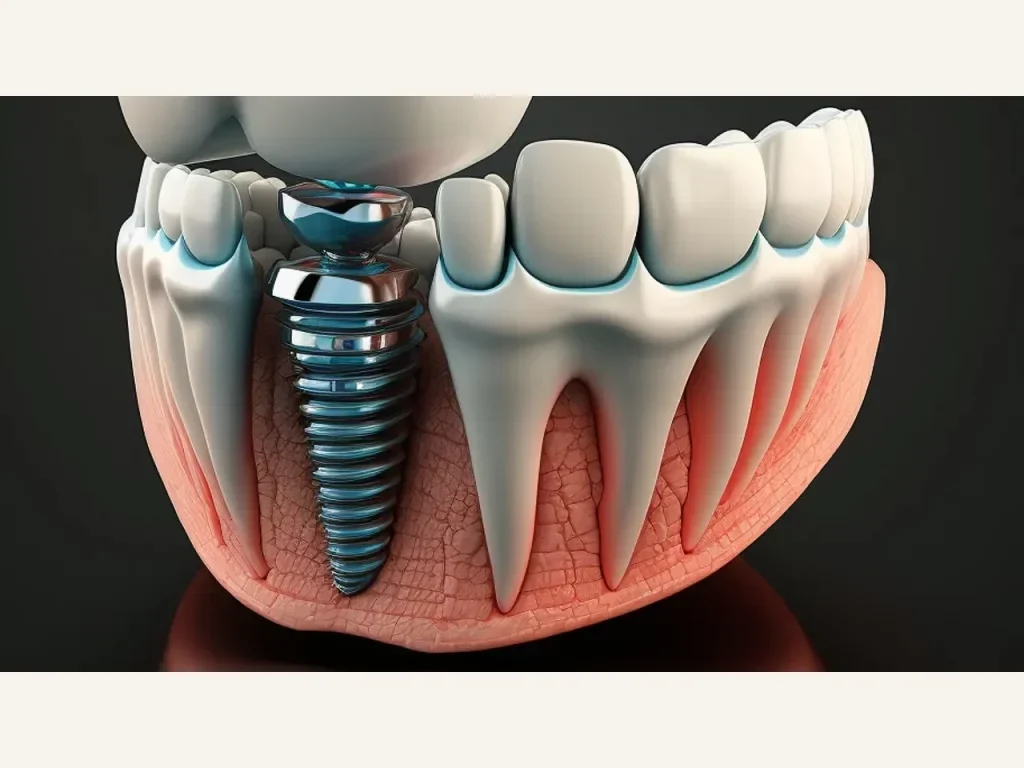
Replacing a bridge with implants may be appropriate if the complete plan suits the supporting teeth, available bone and intended replacement. A sound bridge may instead be retained or renewed. If you are considering a change for cleaning or appearance, compare those benefits with the surgery, preparation and future care involved before choosing.
Examine the supporting teeth first
Traditional bridges use neighbouring teeth as supports. Their crowns may be healthy and well fitting, or they may require replacement because of wear, decay or other clinical reasons. If two supporting teeth already have extensive restorations, a renewed bridge might still be a sensible option. If the bridge was originally placed over previously healthy teeth, the decision to remove it and replace the missing tooth independently needs more caution. The dentist should assess the restorations, margins, periodontal support and remaining tooth structure before recommending irreversible work. Radiographs and clinical examination reveal different parts of that picture.
Look beneath the missing tooth
The gum beneath a bridge pontic is not the same as an implant site. The bone may have narrowed since the original extraction, particularly if the tooth has been absent for many years. A clinical ridge assessment and appropriately justified imaging determine whether an implant can occupy the planned position. Some areas may be suitable for direct placement; others require grafting, a different fixture dimension or an alternative plan. The proposed implant must allow a crown with realistic contour, cleaning access and spacing from neighbouring roots. Simply finding a place where a fixture fits is not enough.
Can the old bridge stay during treatment?
Sometimes an existing prosthesis can be modified or temporarily retained during treatment, but this depends on bridge design and whether implant surgery requires access to the space. In other cases a removable temporary or short provisional bridge is needed. The clinician should explain the sequence for removing the old bridge, protecting prepared supporting teeth and maintaining appearance. If the bridge is sectioned, parts may become unusable and new individual crowns may be required. That can change both the cost and treatment duration, so it belongs in the written plan before work starts.
How independent implants change the restoration
An implant supports its crown through bone, while a natural tooth is suspended in a periodontal ligament. They respond differently to chewing forces; generally, connecting implants and natural teeth requires particular design considerations. An independent implant crown may avoid placing load on adjacent teeth and can make future tooth-specific maintenance possible, but it creates its own need for implant cleaning and monitoring. The dentist should discuss bite contacts and whether the implant crown will be screwed or cemented. Hygiene access may improve in some designs but should not be promised without examining the case.
Compare a new bridge, an implant and preserving what works
The simplest decision may be to monitor an existing sound bridge. If replacement is necessary, compare the amount of new tooth preparation required for another bridge, the bone work involved with an implant and the overall cost of each. A resin-bonded bridge may be an option in selected low-load situations. The decision can also be shaped by dental anxiety, medical history and willingness to undertake surgery. A responsible recommendation will explain trade-offs rather than treating an implant as the only modern choice.
Ask for one joined-up plan
The consultation should assess the bridge, supporting teeth and implant site together, with temporary options, fees and maintenance in one written plan. Different surgical and restorative clinicians need an agreed final crown position before placement. That comparison helps you decide whether changing the restoration offers a more comfortable, stable and cleanable result for your mouth.
Evidence and further reading
The practices are in Hatfield and Cheshunt in Hertfordshire, and Friern Barnet in North London. If travelling from Bedfordshire, Buckinghamshire or Essex, use the actual clinic address on your confirmation.
Your next step, when you’re ready
We would be pleased to welcome you for a £30 consultation at your preferred Iconic Smiles practice. Bring your questions, and we can talk through the options that may suit you.
Any additional investigations and their fees will be explained before you decide.