
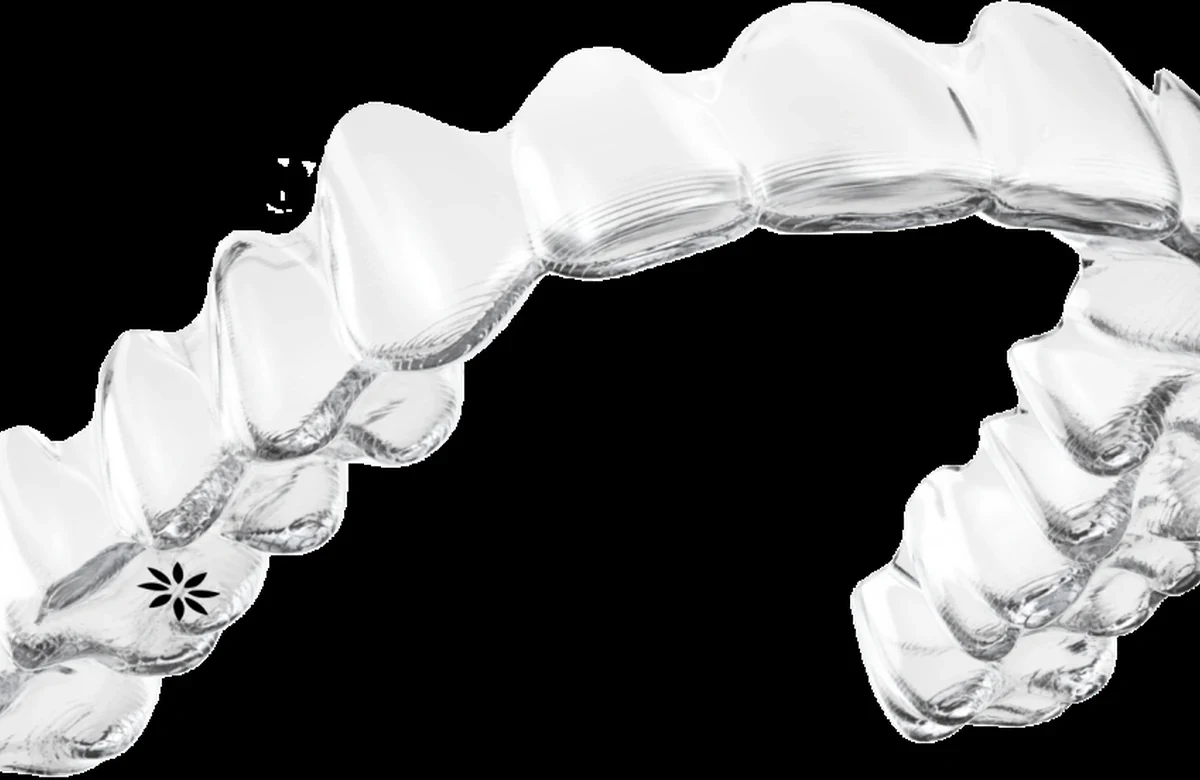
Invisalign and teeth straightening
Private braces for adults: what should the total cost include?
The useful comparison is not the headline price: it is the complete cost of getting your teeth into the agreed position and keeping them there. Retainers, reviews and possible additional care matter
Talk to us about straightening your teeth
You might have a particular change in mind, or simply want to know what is possible. At a £30 consultation, we can talk through your goals and explain how the next steps are planned.
Please confirm the £30 planned-treatment consultation fee when booking. Scans, additional investigations and emergency assessments may have separate fees.
The short answer: The useful comparison is not the headline price: it is the complete cost of getting your teeth into the agreed position and keeping them there. Retainers, reviews and possible additional care matter.
Adult orthodontics is often quoted as a single figure, which makes comparing options harder than it should be. You may be offered metal braces, tooth-coloured ceramic brackets or clear aligners, and each quotation can describe a different amount of treatment. One price may include every routine adjustment and your first retainers. Another may leave important items to be paid for later.
If you are choosing private braces, the right starting question is not simply 'Which brace is cheapest?' It is 'What result is being planned, and what will it cost to reach and maintain it?'
What do private braces cost at Iconic Smiles?
Iconic Smiles lists orthodontics from £1,800 and Invisalign from £2,400 on its published fees page. These are starting prices, not quotations for every adult case, and they do not establish that any particular brace type or treatment complexity is available at those rates. Fees may differ between practices and individual treatment plans.
The amount you are quoted will depend on the condition and position of the teeth, the aims of treatment, the appliance recommended and the appointments or stages involved. A simpler alignment may cost less than a comprehensive plan that requires more involved bite correction. However, two patients with a similar-looking crooked tooth can need very different treatment once the roots and bite are assessed.
Ask for a written estimate and for each possible additional charge to be identified before you agree to treatment.
The seven things to look for in a complete quotation
Assessment and records. Does the initial fee include the clinical consultation, photographs, digital scans, X-rays where clinically justified and formulation of the treatment plan? Some information may be needed before an accurate quotation is possible; that should be explained.
The appliances themselves. Does the price include brackets and wires for both arches, or a defined range of aligners? If ceramic brackets are used only on upper front teeth, that should be clear.
Routine appointments. Orthodontics is a course of care rather than one fitting appointment. Confirm whether review and adjustment visits are included and how frequently your clinician expects to see you.
Repairs and unexpected changes. Brackets can detach, wires can irritate and treatment plans sometimes need adjustment. Ask how breakages are handled, which repairs are included and what would lead to an additional charge.
Extra procedures. If space creation, extractions, treatment of decay, gum care or other dental work may be needed, find out who provides it and whether it is included in the fee.
Removal and finishing. Confirm that removing the braces, cleaning away adhesive and any agreed finishing appointments are covered.
Retention. Teeth can move again after treatment. Ask what retainers are supplied, how long you will need to wear them and what replacements will cost later. This is not an optional afterthought.
Two quotations become much easier to compare when they answer the same questions. If either clinic uses an open-ended or capped fee for refinements and repairs, ask what the conditions mean in practice.
Metal braces, ceramic braces or Invisalign?
Metal fixed braces have a long-established role in correcting tooth positions and bite relationships. They stay in place and do not depend on remembering to wear them for most of the day, but they are more visible and need careful cleaning. Ceramic brackets are less conspicuous, particularly at conversational distance, but can be bulkier or more fragile in some designs, and the material's interaction with opposing teeth needs consideration. Clear aligners are removable and discreet; their effectiveness depends on an appropriate plan and consistent wear.
No single appliance wins for everyone. Fixed braces may be more appropriate for particular complex movements, while clear aligners can be an excellent option for selected cases. It is reasonable to prefer a discreet appliance, but your clinician should explain where that preference would introduce a clinical compromise.
What if you only want the front teeth straightened?
Limited orthodontic treatment can be a sensible choice when the objective is genuinely small and the existing bite can be respected. It is not automatically safer or more economical just because fewer teeth are being moved. A rotated front tooth may need space to move into, and the opposing teeth must still meet appropriately afterwards.
If you are offered a short course, ask whether it will address only appearance or also the way your teeth meet. There is nothing wrong with deliberately choosing a limited result if it is clinically acceptable and you understand the trade-offs. There is a problem if those limits are never discussed.
A comprehensive plan may take longer and cost more because it pursues broader objectives. It should still be justified in terms of your dental health, bite and preferences rather than presented as the default upgrade.
Why duration affects the true cost
Adult orthodontics often involves months of regular visits, and more complex bite corrections can take longer. The actual duration depends on the movements, biological response, appliance and patient cooperation. It is not possible to promise a particular finishing date simply from photographs.
Time also carries a practical cost. Think about travel to appointments, changes in work patterns, brace-friendly eating and the effort needed to clean around brackets or manage aligners. If you travel regularly, discuss how review intervals and unexpected repairs can be accommodated.
An estimate should include a reasonable treatment timeframe and an explanation of what could extend it. Ask what happens to the fee if treatment takes longer than initially predicted.
Will you need extractions or enamel reduction?
Crowded teeth need space to be aligned. Depending on the diagnosis, this may involve controlled tooth movement, small amounts of interproximal enamel reduction, changes in arch form or removal of selected teeth. These are not interchangeable ways of achieving a cheaper result.
Any recommendation to remove teeth should follow a thorough assessment of the bite, tooth positions, gum support and other relevant factors. Equally, a promise that extractions will never be needed is not a meaningful advantage. If enamel reduction is proposed, ask why it is necessary, how much is planned and what alternatives exist.
The clinician should explain the effect of these decisions on appearance, function and long-term maintenance, not just on whether the front teeth look straight in a simulation.
What are the risks to understand before paying a deposit?
Orthodontics has recognised risks. Teeth and gums must be healthy enough to start, and cleaning becomes particularly important when brackets are present. Poor plaque control can lead to gum inflammation and enamel marks around brackets. Some patients experience temporary soreness, root changes, gum recession or unwanted changes in the bite. These risks vary and cannot be predicted from a price list.
A careful clinician should explain material risks relevant to your case, what monitoring will involve and when the plan might need reconsidering. If you have crowns, implants, previous dental trauma or reduced gum support, these matters deserve particular attention.
You should also continue routine dental care during orthodontic treatment. The orthodontic appointments do not automatically replace checks for decay and gum health.
Retainers: the cost that matters years later
After braces come off, teeth have a natural tendency to move. Retainers help hold the new position, often for the long term. Their design, recommended wear schedule, replacement needs and fees should be explained before treatment starts.
A cheap initial orthodontic fee becomes less attractive if essential retainers are omitted, or if the aftercare plan is unclear. Conversely, an apparently higher quote may include worthwhile follow-up support. Ask about both, and make sure you understand what remains your responsibility.
How can you compare two private orthodontic plans fairly?
Imagine two proposals: one promises a straighter-looking upper front row within a shorter period; the other addresses both arches and a bite discrepancy. They may both be reasonable, but they are not competing bids for the same work. Ask each clinician to describe the objectives in plain language. What will change, what will remain unchanged, how will progress be monitored and what might count as an acceptable finish?
It is also useful to know who will plan the treatment and who will see you for routine appointments. Orthodontics can be provided by appropriately trained dentists as well as specialist orthodontists; a registered specialist has undertaken recognised specialist training. Titles and responsibilities should be described accurately, without implying that every clinician is a specialist.
A sensible first step
You do not have to choose between braces and aligners before the consultation. Tell the clinician what matters most — discretion, how long treatment may take, your bite, your budget, or a combination. Expect an examination and an explanation of reasonable alternatives before a definitive plan.
Iconic Smiles advertises a £30 planned-treatment consultation to begin this conversation. The fee for further records, investigations or treatment should be confirmed before you proceed. The purpose of that appointment is to leave you informed, not to pressure you into the most expensive option.
Questions patients often ask
Are ceramic braces always more expensive? They often carry a higher fee because of the materials and clinical factors involved, but your quotation should specify the appliance and what is included.
Can I pay for only one arch? Some patients may be suitable for one-arch treatment. A full bite assessment is still required, and it may not give the result you expect.
Do I pay more if treatment lasts longer? That depends on the written agreement. Ask how additional appointments, repairs and extensions are handled before treatment begins.
Will my teeth stay straight forever? Not automatically. Long-term retainer wear and continuing care are important, and some movement can occur despite treatment.
A written plan is worth more than a headline price
Ask for a single estimate covering assessment, active treatment and retention. You can compare fixed-brace options and check the latest fees before discussing the quote with the team.
Independent patient information: NHS: braces and orthodontic treatment · British Orthodontic Society: questions to ask about costs and retainers. These explain general clinical considerations; a personal recommendation requires assessment.
Your next step, when you’re ready
We would be pleased to welcome you for a £30 consultation at your preferred Iconic Smiles practice. Bring your questions, and we can talk through the options that may suit you.
Please confirm the £30 planned-treatment consultation fee when booking. Scans, additional investigations and emergency assessments may have separate fees.