
Invisalign and teeth straightening
Can Clear Aligners Widen a Narrow Smile? What Expansion Really Means
Learn how a clinician distinguishes a narrow-looking smile from the movements actually needed before planning clear-aligner treatment.
Talk to us about straightening your teeth
You might have a particular change in mind, or simply want to know what is possible. At a £30 consultation, we can talk through your goals and explain how the next steps are planned.
ICONIC SMILES · DIAMOND APEX
Invisalign care. Diamond Apex experience.
Choose Iconic Smiles, a Diamond Apex Invisalign provider serving Hertfordshire and North London, for individually planned clear aligner treatment.
What does Diamond Apex Invisalign Provider mean?
Diamond Apex is an Invisalign provider tier recognising high annual treatment volume. It reflects extensive experience with the Invisalign system. Your treatment is planned around your teeth, bite and goals, with clinical reviews and retention discussed from the outset.
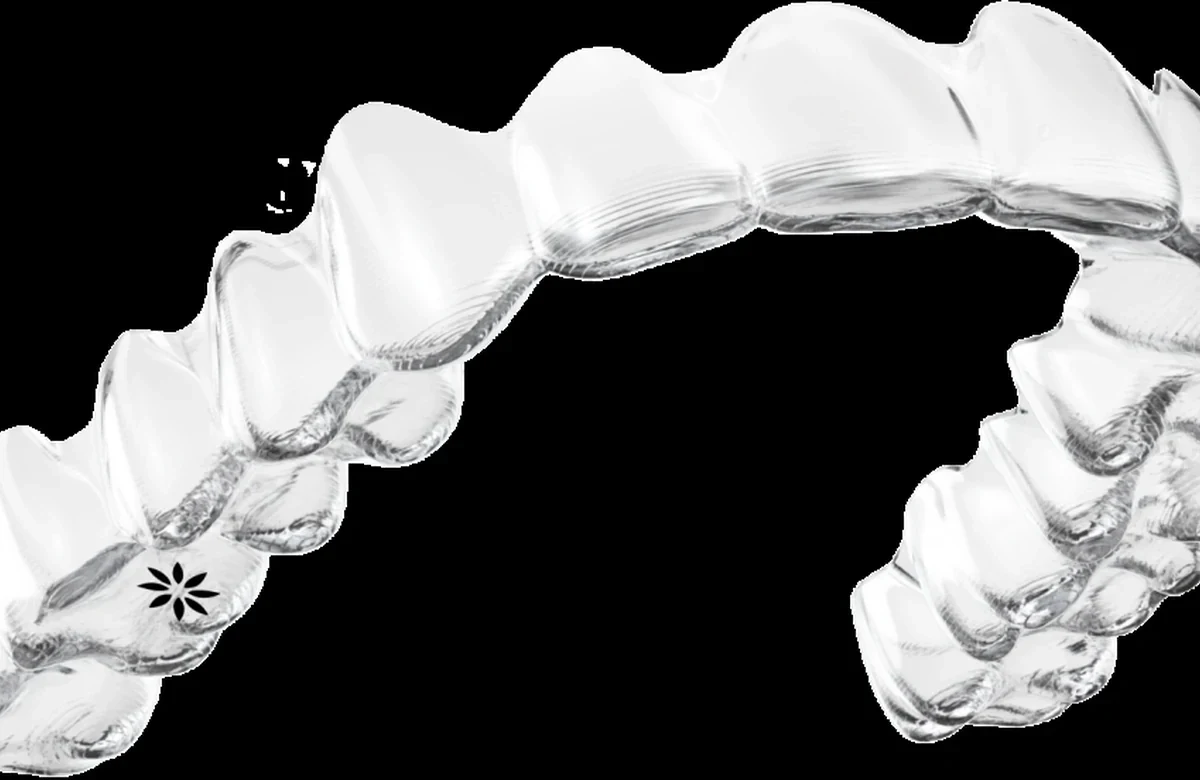
Clear aligners may make a smile look wider by changing tooth positions within the limits of their supporting tissues. A narrow appearance can come from inward-leaning teeth, arch shape or the natural spaces beside the cheeks. The assessment distinguishes dental expansion from widening the underlying jawbone. They involve different structures and limits, so the cause determines whether aligners, another appliance or no treatment is appropriate.
Dental arch width is not identical to jaw width
An orthodontist measures the teeth, the gum and bone supporting them, and how the upper and lower arches fit together. A smile may appear narrower because the upper premolars tip inwards, because the upper jaw itself is relatively constricted, or because the front teeth are positioned too far back. Moving the crowns slightly outwards can change the appearance of the arch, but teeth cannot safely be moved indefinitely beyond their supporting alveolar bone. In an adult, removable aligners do not predictably recreate the skeletal expansion obtained by certain growth-modifying or surgically assisted methods. The important clinical question is which structure needs changing.
Why a digital simulation can look more dramatic than the biology
A computer animation can show broadening of the arch by moving individual tooth shapes into a more pleasing curve. It is a useful conversation tool, not evidence that every simulated movement will occur. Aligners grip the crowns and rely on programmed staging, attachment design and patient wear to deliver forces. The achievable outcome depends on the extent of tipping versus bodily movement, root positions, periodontal support and the amount of crowding. Ask the dentist to separate movements expected to be predictable from movements that may require refinements or a different appliance.
Expansion is sometimes a way of dealing with crowding
When front teeth overlap, clinicians may create space by modestly altering arch form, carefully reducing enamel between selected teeth where appropriate, or changing the inclination of incisors. Those choices affect both aesthetics and long-term stability. Expanding the dental arch just to avoid a discussion of enamel reduction or extraction can be a poor bargain if roots would end up near thin gum and bone. Conversely, unnecessary enamel reduction may be inappropriate when a conservative change of tooth position would solve the problem. There is no universal rule; the plan should connect each millimetre of space to a specific movement.
A fuller smile is not necessarily a better bite
Widening upper teeth without coordinating the lower teeth can create contacts that are uncomfortable or mechanically unstable. An orthodontist examines how the back teeth fit when the patient closes, whether there is a crossbite, and whether the bite slides to one side. An isolated crossbite may need a different strategy from broadening the entire aesthetic arch. The goal should be a functional bite and an attractive tooth display, rather than an arbitrary measurement of smile width in a frontal photograph.
Gum thickness affects the treatment boundary
Thin gums, exposed roots or recession need particular assessment before widening. Moving a crown outwards changes the relationship of its root to the bone, so the gum findings help define the boundary. Healthy-looking tissues do not establish that every degree of expansion is safe. Discuss the proposed endpoint, margins, cleaning and later retention together.
What would widening change for you?
Before choosing, establish whether the narrowness mainly reflects jaw width, tooth position or tooth angle. The plan should explain tipping, root movement or crossbite correction and what a scan cannot establish. Fixed braces, another expansion approach or specialist input may be relevant alternatives. Compare the realistic movements and retention needs for your anatomy.
References and further reading
Book an assessment
The practices are in Hatfield and Cheshunt in Hertfordshire, and Friern Barnet in North London. For travel from Bedfordshire, Buckinghamshire or Essex, confirm the actual practice and any sites involved in later stages.
Editorially updated: 27 October 2026.
Your next step, when you’re ready
We would be pleased to welcome you for a £30 consultation at your preferred Iconic Smiles practice. Bring your questions, and we can talk through the options that may suit you.
Any additional investigations and their fees will be explained before you decide.