
Invisalign and teeth straightening
Orthodontic Specialist Assessment for Cheshunt Patients
Learn when a specialist teeth-straightening assessment may help Cheshunt patients compare options for a complex bite, growth or tooth-development concern.
Talk to us about straightening your teeth
You might have a particular change in mind, or simply want to know what is possible. At a £30 consultation, we can talk through your goals and explain how the next steps are planned.
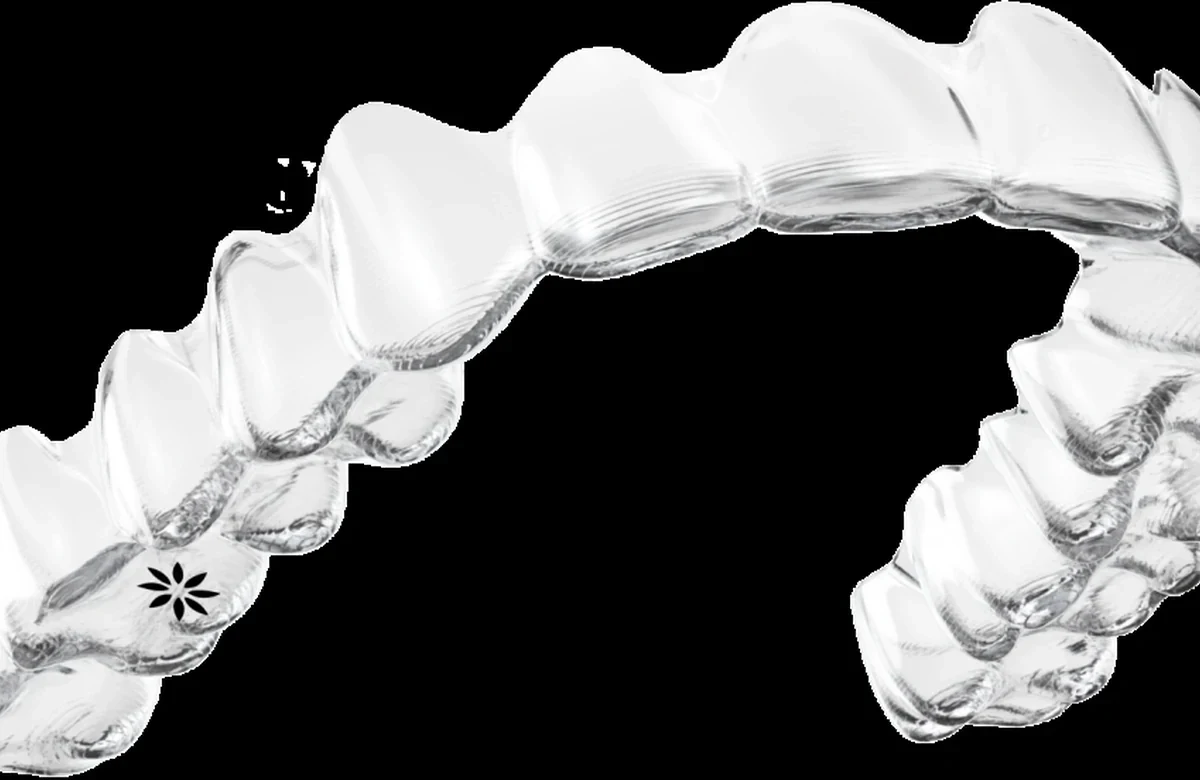
A specialist orthodontic opinion may be useful when the bite, growth or tooth development makes treatment more complex. Other patients seeking straighter teeth in Cheshunt may suit a routine aligner or fixed-brace pathway. The first appointment should explain the diagnosis, complexity and any reason for referral, so the choice follows the clinical findings rather than the advertised appliance.
When additional expertise changes the plan
A large horizontal front-tooth gap, severe underbite, unerupted or impacted teeth, substantial asymmetry or a developing jaw discrepancy may warrant specialist advice. General dentists can assess findings and discuss options; in the UK, the specialist title requires entry on the appropriate specialist register. Establish who will diagnose, prescribe and supervise treatment. A scanner or brand name cannot replace examination of the jaws and supporting tissues.
Growth and adult treatment are different problems
For children and teenagers, timing may be influenced by eruption stage and jaw growth. A treatment that relies on growth modification is not interchangeable with the camouflage that may be offered to a fully grown adult. Adults may also have older restorations, reduced periodontal support or dental implants that restrict movement. The clinician should explain what can change through tooth movement alone and whether other specialties need to be involved before any appliance is ordered.
Understanding the diagnostic records
Photographs, bite assessment, digital models and appropriately justified radiographs each answer different questions. The records may reveal roots that are too close to a proposed extraction space or show that a canine has not erupted into its expected position. A sophisticated-looking simulation does not determine whether those findings can be corrected safely. Ask which radiographic or clinical finding would change the treatment recommendation and whether an orthodontic referral should take place before restorative work.
Practical decisions for a Cheshunt family
Confirm whether appointments, appliance reviews and any emergency repairs can be managed at the chosen practice or require visits to another service. Children with fixed braces may need a structured cleaning plan and sports mouthguard advice. Adults with aligners should understand daily wear and refinements. Cost discussions should cover records, the proposed active treatment, retention and possible additional stages without implying that every complex case will have one fixed duration or price.
Long-term retention is part of suitability
An excellent orthodontic result can drift if retention is discontinued. A clinical plan should specify the intended retainer type and the follow-up arrangements, especially when teeth were originally severely rotated or spaced. Patients can also ask whether their general dentist and orthodontic provider will exchange records after treatment. A well-managed referral pathway creates accountability for the final bite and its maintenance, not merely an attractive photograph when the appliance is removed.
When a referral might change the outcome
A Cheshunt teenager with a front tooth that has not erupted needs its position and the neighbouring roots assessed before a standard straightening plan can be offered. A mildly irregular lower incisor in an adult with healthy support may need a different pathway. The required movements and anatomy determine the complexity. Establish what happens if the clinical findings differ from the aligner simulation, how records are shared and whether diagnostic or specialist visits have separate fees.
While baby and permanent teeth are both present, monitoring eruption may be more appropriate than comprehensive braces. The plan should identify which developmental change will prompt review and what benefit early treatment would offer compared with waiting.
Your next step, when you’re ready
We would be pleased to welcome you for a £30 consultation at your preferred Iconic Smiles practice. Bring your questions, and we can talk through the options that may suit you.
Any additional investigations and their fees will be explained before you decide.