
Invisalign and teeth straightening
Teenage Orthodontic Assessment: Timing and Treatment Goals
NHS information explains that braces are commonly considered after adult teeth have come through, while BOS referral guidance identifies situations that need assessment earlier.
Talk to us about straightening your teeth
You might have a particular change in mind, or simply want to know what is possible. At a £30 consultation, we can talk through your goals and explain how the next steps are planned.
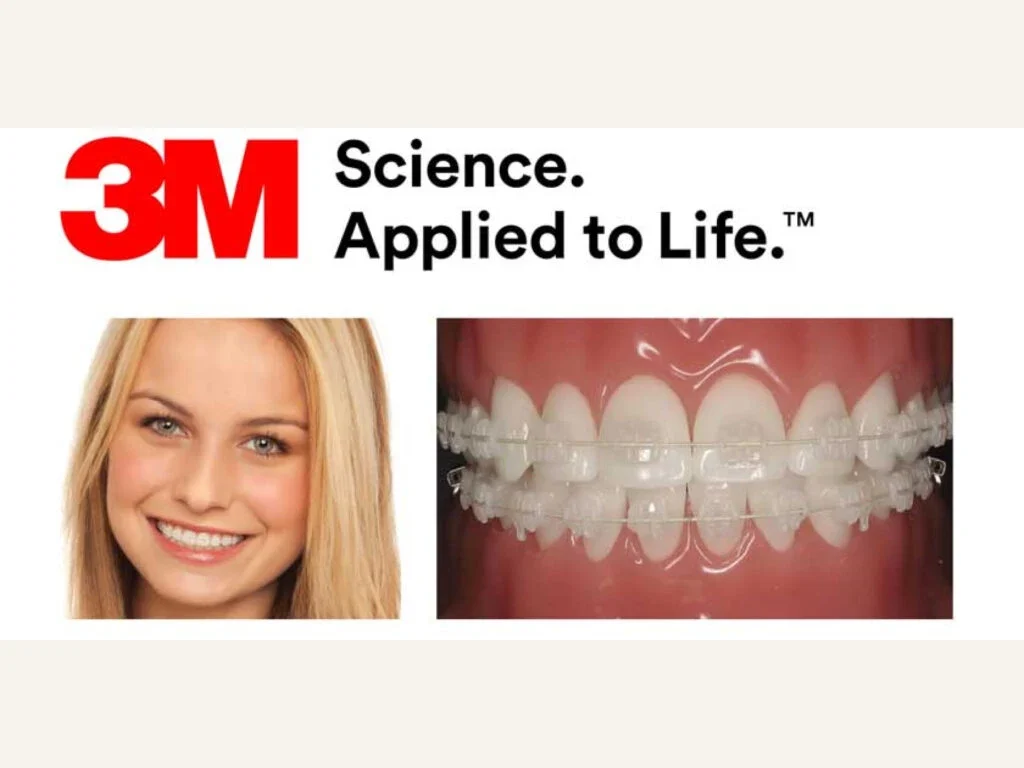
Assessment timing is not a single birthday
The right time for a teenage teeth-straightening assessment depends on dental development and the concern, rather than a particular birthday. Braces are often considered once adult teeth have come through, but missing teeth, eruption problems or certain bite findings may need earlier advice. An early assessment may simply establish what to monitor and when to review. [1][2]
Give the teenager’s own priorities a place
Ask what the young person finds difficult or would like to change: appearance, biting, cleaning or another concern. Their understanding and participation matter to the practical plan. GDC consent guidance supports explaining treatment and involving patients in decisions, with the appropriate process for the individual situation. A family may value a discreet appliance while the teenager is more concerned about handling it at school or attending reviews. Bringing those preferences into the assessment helps the clinician explain realistic options. The consultation should not be reduced to an adult choosing a product from a photograph while the patient’s concerns remain unheard.
Assess teeth, jaws, eruption and relevant history
NHS guidance describes orthodontic examination and possible records such as images, photographs or scans. Tell the team about previous front-tooth injury, symptoms, medical history and any tooth that has not appeared as expected. BOS guidance on the developing dentition addresses assessment at different stages and the need for appropriate referral. A visible overlap may not be the only important finding. Ask what has been established, whether further information is needed and what the proposed treatment would address. If an eruption or missing-tooth issue is present, understand how it affects the longer pathway rather than assume every plan is a simple alignment course. [1][3][2]
Discuss suitability before choosing the appliance
Fixed appliances, removable approaches and aligners have different roles and practical demands. BOS aligner guidance notes that complex movements, severe crowding, extraction cases or jaw discrepancies may need additional techniques. Ask why the proposed method fits the diagnosis and what the young person would need to do. Removability can be convenient but creates a responsibility to use and store the appliance as instructed. A less visible choice is not automatically the most suitable, and a familiar fixed brace is not the only possible tool. The recommendation should connect the appliance to the intended result and realistic care routine. [4][1]
Make health preparation and funding questions explicit
Ask whether any dental preparation is needed and how cleaning will be supported during treatment. NHS guidance emphasises tooth and appliance care and ordinary dental check-ups. It also explains that NHS orthodontic eligibility for young people depends on assessed need; being under eighteen does not itself guarantee treatment. Keep any funding or referral question separate from a private consultation’s estimate and ask the relevant provider what applies. Do not assume a practice offers a particular NHS pathway merely because it provides orthodontic care. The family should understand the actual route, likely stages and what the financial agreement includes. [1]
Look beyond fitting day to reviews and retention
Discuss school, travel, activities and any practical support needed to attend reviews and follow instructions. Ask how to obtain advice for a broken appliance or persistent symptoms. Retainers are needed after active treatment, so the teenager and family should understand that commitment before starting. At Iconic Smiles, confirm the responsible clinician, location and itemised fees for the proposed pathway. A useful assessment leaves everyone understanding the diagnosis, timing, goal and responsibilities, without a guaranteed finish date or a promise that a growing patient’s future tooth and jaw relationships can be predicted perfectly from a single preview. [5][1][6][7][8]
For your treatment plan:
The plan should explain why the timing suits the teenager’s development and treatment goal. Their own priorities, daily routine and available family support matter too.
Research and guidance
- Braces — NHS
- When Should I Refer for an Orthodontic Assessment? - British Orthodontic Society (BOS)
- Primary professional guidance — bos.org.uk
- Clear aligners - British Orthodontic Society (BOS)
- Retainers - British Orthodontic Society (BOS)
- Dental Team | Meet the Iconic Smiles Clinicians
- Dental Practices in Hertfordshire & London | Iconic Smiles
- Dental Fees & Finance: Treatment Prices | Iconic Smiles
Your next step, when you’re ready
We would be pleased to welcome you for a £30 consultation at your preferred Iconic Smiles practice. Bring your questions, and we can talk through the options that may suit you.
Any additional investigations and their fees will be explained before you decide.