
Invisalign and teeth straightening
Starting Aligners with an Existing Bonded Retainer
A fixed retainer bonded behind the front teeth may still be present years after previous braces.
Talk to us about straightening your teeth
You might have a particular change in mind, or simply want to know what is possible. At a £30 consultation, we can talk through your goals and explain how the next steps are planned.
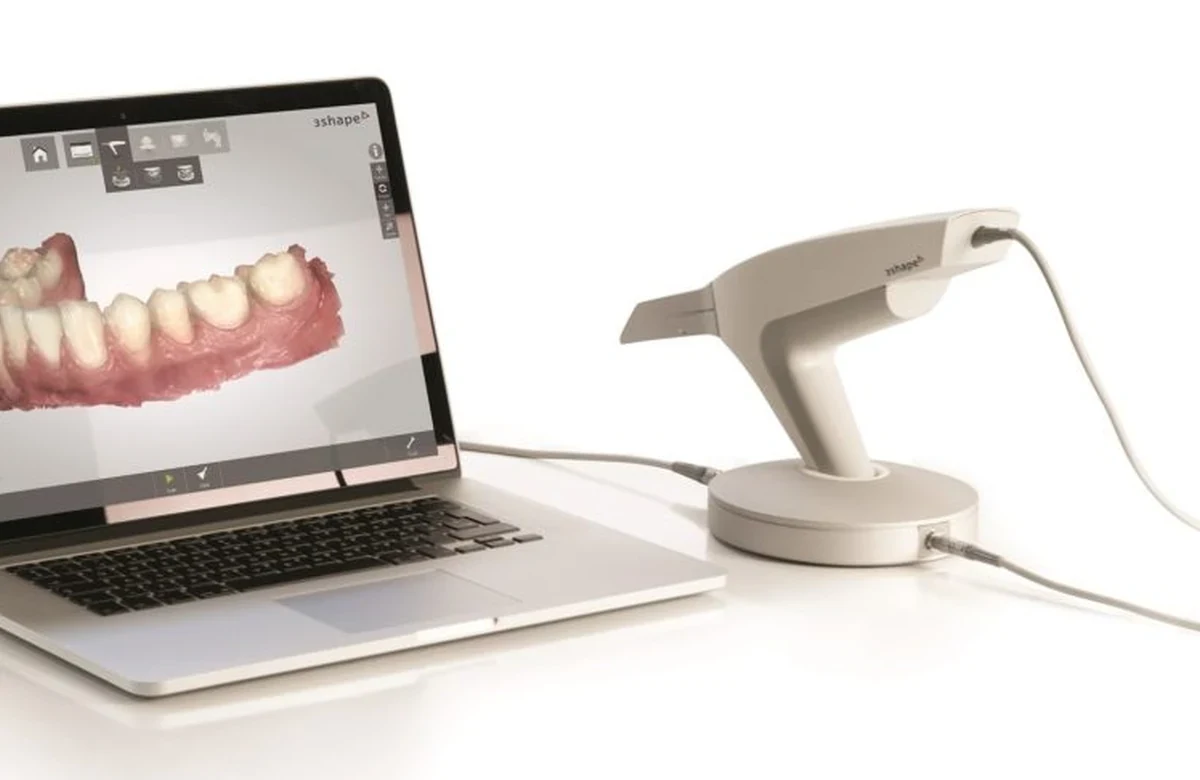
An existing bonded retainer may stay during a new aligner course if it does not obstruct the planned movement. The answer depends on which teeth need to move, how the wire joins them and its condition. Removing it also needs a plan to control tooth positions during the changeover. The old wire should be assessed as part of the new treatment, rather than removed automatically.
Find out what the old retainer is holding
A bonded wire generally links selected teeth, restricting independent movement while it remains attached. If an aligner plan aims to rotate or move those same teeth, the wire may conflict with the mechanics. If the new movement concerns other teeth, the clinician may consider different options. The wire's integrity matters too: a partially detached section can distort retention or collect plaque, so it should be examined before new teeth-straightening treatment is planned.
What the digital simulation must represent
A scan shows the wire and tooth surfaces but cannot establish that the retainer can remain through every planned movement. The plan needs to specify whether it will be removed, altered or replaced, and when. Temporary retention may be necessary before active treatment begins. Trays designed around a wire may no longer fit if it is removed later without coordination.
Gum hygiene may influence the decision
Bonded retainers can create challenging spaces for flossing and plaque control. A patient with inflamed gums, recession or calculus deposits should have those issues assessed before tooth movement begins. Clear trays will add a separate daily cleaning routine, and the patient must be able to maintain both teeth and appliances. A pre-treatment dental assessment should not be skipped simply because the teeth were once orthodontically aligned.
How retention changes after treatment
At the end of a second orthodontic course, the team needs to decide whether to place a new bonded retainer, provide removable retainers or combine them in selected circumstances. Planned composite bonding or veneers can further change the fit of a removable retainer. Final retention must correspond to the final tooth surfaces; a tray scanned before cosmetic additions may no longer fit over the finished smile.
Compare doing less versus restarting orthodontics
If the concern is a tiny edge difference, conservative composite may achieve the desired appearance without destabilising a well-retained arch. If the bite has changed or multiple teeth are misaligned, a coordinated new treatment plan may be justified. Ask exactly which teeth need movement, what the fixed wire prevents and how their alignment will be maintained throughout treatment.
A common retreatment question
For example, an old bonded lower-front retainer may not obstruct treatment aimed at the upper teeth, although its condition, plaque levels and the overall bite still need checking. Moving the lower teeth joined by that same wire is different: keeping it intact could prevent movement or alter the intended forces. The location and purpose of the new movement guide the decision.
A clear sequence records the existing wire, decides whether it needs removal, provides any temporary control of tooth positions and plans final retainers after movement. If bonding is added afterwards, removable retention must fit the new contours. Establish who removes or replaces the wire, whether the cost is included and how detachment during treatment would be managed.
Check the wire before planning the trays
A bonded retainer may be passive and sound, partly detached or inadvertently active. The clinician must examine every bonded pad and assess tooth positions before removing or working around it. If the wire is removed, the new aligner or alternative retention strategy must control the teeth straight away. Retaining one segment while moving others also needs a deliberate mechanical plan.
Your next step, when you’re ready
We would be pleased to welcome you for a £30 consultation at your preferred Iconic Smiles practice. Bring your questions, and we can talk through the options that may suit you.
Any additional investigations and their fees will be explained before you decide.