
Invisalign and teeth straightening
Tilted Molars and Adult Crossbites: Understanding Your Bite
Adult bite problems sometimes involve tooth positions, sometimes the underlying relationship of the jaws, and frequently both.
Talk to us about straightening your teeth
You might have a particular change in mind, or simply want to know what is possible. At a £30 consultation, we can talk through your goals and explain how the next steps are planned.
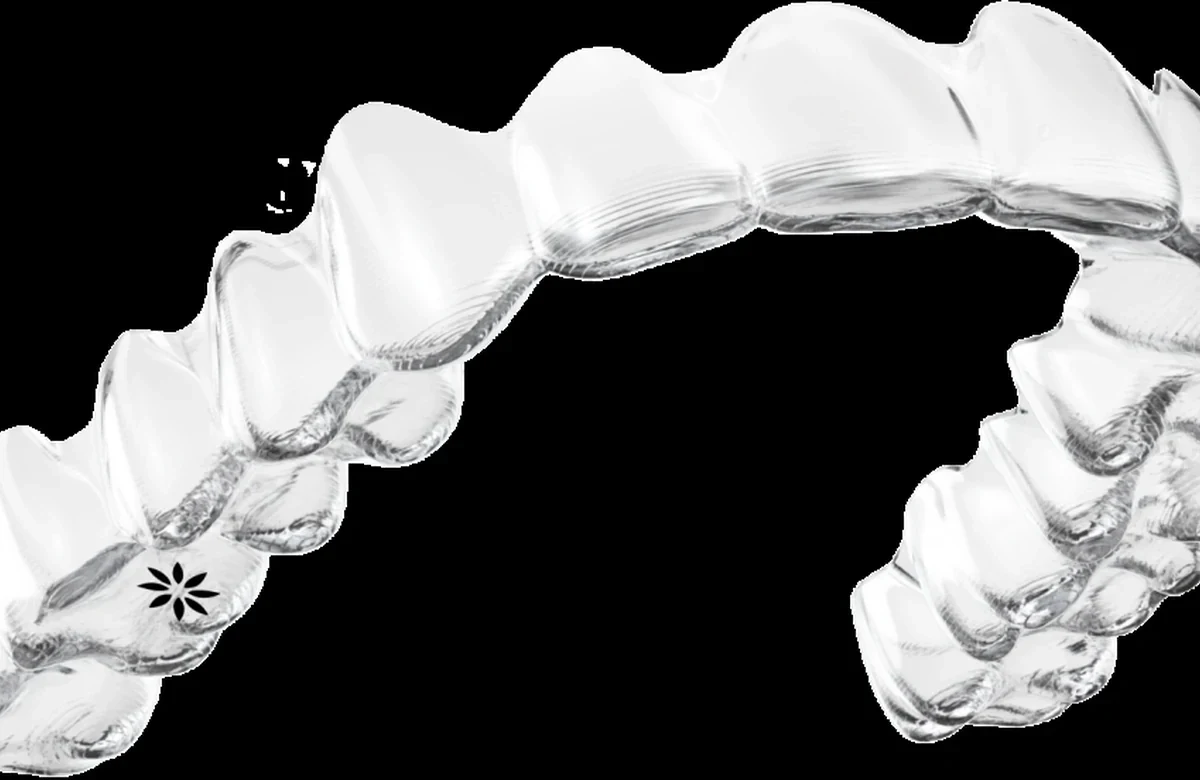
A tilted molar, Class II bite or adult crossbite may be treatable orthodontically, but they need different plans. The cause may lie in tooth positions, the relationship between the jaws or both. Establishing that distinction helps explain what braces or aligners could change and when another approach may be needed.
Adult orthodontics with a tilted molar
A tilted molar can make cleaning harder, affect chewing contacts or limit room for a crown, bridge or implant. The assessment checks its root angle, neighbouring roots and missing teeth, available space, bone support and the opposing contact. Uprighting with braces or additional aids may support more conservative restoration, provided there is suitable anchorage and support. Improving the visible crown angle alone may leave an unsuitable root relationship. The movement and final restoration therefore need planning together, with a clear goal for cleaning, bite stability or replacement space.
Class II malocclusion: dental versus skeletal questions
A Class II bite may involve projecting upper teeth, the upper- or lower-jaw relationship, tooth angles or a combination. The assessment considers facial profile, horizontal overlap, molar positions and whether growth remains. Growth modification may be an option for selected growing patients. In adults, dental camouflage improves tooth relationships within limits, while jaw surgery addresses a different level of skeletal discrepancy. Routine aligners cannot promise full correction of the underlying adult jaw relationship. Consent should make the intended change in appearance and tooth contact clear, alongside what would remain unchanged.
Posterior crossbite in adults: what treatment can and cannot change
A posterior crossbite means the back teeth meet across the usual side-to-side relationship. In adults it can involve tooth tipping, a jaw-width difference, a functional shift on closing or a mixture. The clinician checks contacts, arch widths, jaw movement and gum support. Selected dental crossbites may respond to limited tooth movement, while significant skeletal narrowing can need a different approach or referral. Adult skeletal expansion requires careful case selection and sometimes specialist care. Tipping teeth beyond their supporting bone to widen a smile risks gum health and stability, so the plan should distinguish cosmetic width from correction of the crossbite.
A visible gap may still leave too little root space
For example, a gap beside a tilted molar may look large enough for a replacement tooth while the roots leave insufficient room. Similarly, an apparently simple bite asymmetry may involve a jaw shift as well as tooth position. These findings affect which changes are achievable with aligners, fixed braces or other treatment, and should be explained before you choose.
Defining the bite improvement and remaining limits
A useful plan sets out the improvement expected in function and stability, the anatomical limits and any need for care beyond ordinary tooth movement. You should understand which aspect of the bite is being treated and what compromise may remain.
Sources for further reading
Your next step, when you’re ready
We would be pleased to welcome you for a £30 consultation at your preferred Iconic Smiles practice. Bring your questions, and we can talk through the options that may suit you.
Any additional investigations and their fees will be explained before you decide.