
Repairing your teeth
Wisdom Teeth Without Symptoms: When Is Removal Necessary?
An impacted wisdom tooth visible on an X-ray can sound alarming, but the fact that a tooth has not erupted fully does not automatically justify removing it.
Talk through your options for repairing teeth
If you would like to understand how a tooth might be repaired or protected, a £30 consultation offers time to discuss your concerns and what an individual assessment may involve.
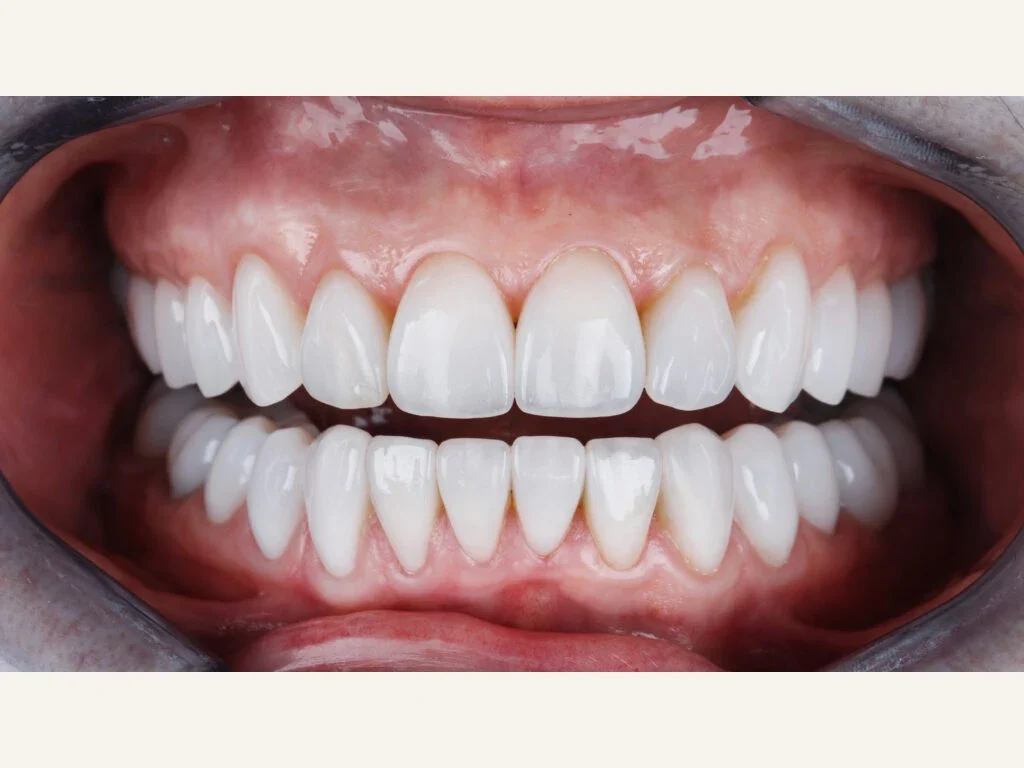
A wisdom tooth without symptoms does not automatically need removal, even if it is impacted on an X-ray. Assessment checks for disease, damage or risk to a neighbouring tooth, and any effect on a defined treatment plan. Treating an established problem is different from routinely removing a healthy tooth to prevent a possible future one.
What an examination can reveal
A third molar may be fully erupted, partly covered by gum or entirely buried in bone. Its position relative to the second molar, the depth of eruption and the accessibility for cleaning matter. A dentist examines the tissues, checks for caries and looks for inflammation or damage around neighbouring teeth. Imaging may be useful if symptoms, pathology or treatment planning make its root position relevant. A panoramic image alone cannot establish the future clinical course of every asymptomatic tooth, so it should be interpreted with examination findings and the person's history.
Understand the distinction between impaction and disease
Impaction describes the failure of a tooth to erupt into a normal position; it does not by itself diagnose infection. A partially erupted third molar may develop recurrent pericoronitis, which is inflammation around the crown. Decay may affect the wisdom tooth or the hard-to-clean distal surface of the second molar. Less commonly, cystic changes or other pathology can be detected. These findings can alter the benefits of treatment. A tooth that has remained healthy and symptom-free may instead be monitored through ordinary dental reviews, with advice on cleaning and changes that should prompt reassessment.
Why routine extraction is not automatically protective
Surgery can cause discomfort, swelling, infection or altered sensation, with the upper sinus relevant to some teeth. These risks need a worthwhile expected benefit. NICE guidance advises against routine prophylactic removal of pathology-free impacted wisdom teeth within NHS care. It still allows treatment for disease or another valid indication. The reason should therefore be specific to your tooth, rather than assume every impaction will cause trouble.
Can wisdom teeth cause crowding of the front teeth?
The lower incisors often become more crowded with age, even in people whose wisdom teeth have been removed or never developed. The relationship between third molars and late anterior crowding is complex, and extraction should not be promised as a reliable method of preventing ordinary orthodontic relapse. If a person is considering aligners or fixed braces, the orthodontic clinician should explain whether a wisdom tooth actually obstructs planned movement. Retainers remain important after teeth-straightening treatment regardless of the third molars' status. Two separate clinical issues should not be merged into one unnecessary extraction recommendation.
When monitoring is a positive decision
Observation is not neglect when a tooth is healthy and the balance of risks favours leaving it. A dentist can record its position, provide advice on cleaning the back of the mouth and monitor changes during appropriate reviews. Some teeth are more difficult to examine or keep plaque-free than others, and those practical limitations may affect the plan. Patients should know what new pain, swelling, difficulty opening the mouth or repeated food trapping might indicate. Monitoring should be revisited if the condition of the tooth or adjacent molar changes.
What to ask if extraction is recommended
Request the diagnosis and the evidence that supports removal now. Ask whether treatment is simple or surgical, how close the roots appear to important structures and whether specialist input or further imaging would alter the approach. Discuss recovery, time away from work and any sedation arrangements separately from the clinical indication. An informed patient should be able to describe not only the reason for intervention but also why waiting and review were less suitable in this specific case.
Choosing a proportionate route
The assessment may support monitoring, removal of a diseased tooth or a more detailed surgical opinion. The clinician should explain the findings, risks of leaving or removing it, and your reasonable choices. The aim is a proportionate decision that protects oral health and reflects your preferences.
References and further reading
Book an assessment
The practices are in Hatfield and Cheshunt in Hertfordshire, and Friern Barnet in North London. For travel from Bedfordshire, Buckinghamshire or Essex, confirm the actual practice and any sites involved in later stages.
Editorially updated: 27 October 2026.
Your next step, when you’re ready
We would be pleased to welcome you for a £30 consultation at your preferred Iconic Smiles practice. Bring your questions, and we can talk through the options that may suit you.
Any additional investigations and their fees will be explained before you decide.