
 Kishan Patel
Clinical Director Orthodontics
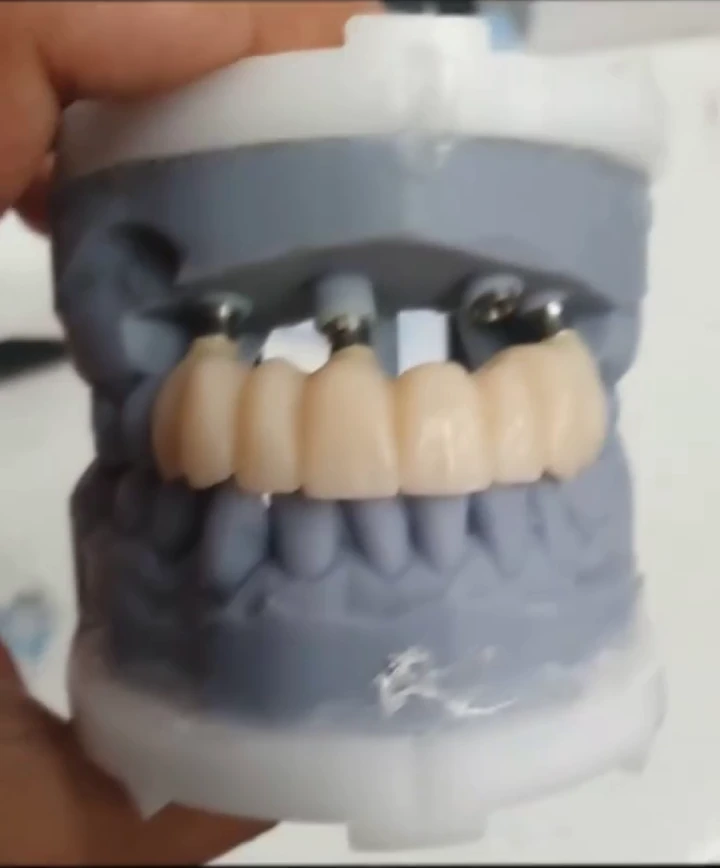
A crown fits over a tooth to rebuild its form, improve strength and restore appearance when a tooth has been weakened or heavily restored.
Each crown is made to fit the tooth and your bite. Crowns can be used when a tooth is heavily filled, fractured, weakened after root canal treatment or requires substantial aesthetic reconstruction.
The tooth is assessed and prepared where necessary. Digital scans or impressions and a shade record are taken so a laboratory can manufacture the crown. At the fit appointment, the restoration is checked carefully before bonding or cementation.
All-ceramic and zirconia crowns are common choices because they avoid a visible metal substructure and can provide strong aesthetic results. Material choice depends on the tooth position, bite forces and cosmetic requirements.
Some short-term sensitivity can occur after treatment. Good oral hygiene, regular examinations and attention to the gum margin help protect both the crown and the underlying tooth.
The current Iconic Smiles fee guide lists this treatment from the amount shown. Exact fees depend on clinical complexity, materials and your final plan.
The current Iconic Smiles fee guide lists crowns / veneers from £650. Your written estimate will depend on material and complexity.
Some patients experience short-lived sensitivity after preparation or fitting. Ongoing pain should be assessed.
No. Root canal treatment is only needed when the pulp is irreversibly inflamed or infected, or for other specific clinical reasons.
Implant, restorative and orthodontic expertise brought together around one patient.
Meet the team
Kishan Patel
 Vishal Patel
 Mayur Pandya
Choose your preferred practice or send a Smile Enquiry and the team will help you take the next step.
Continue to a live practice diary for this treatment enquiry.
Tap a number to call the team directly.
Go straight to a treatment, or view the complete treatment guide.