
Choosing dental care
Two different smile makeover plans: comparing recommendations
Compare two dentists' smile makeover recommendations by goals, tooth preservation, sequencing and aftercare, rather than headline price alone.
Get answers before you decide
Choosing dental care should feel straightforward. A £30 consultation gives you the opportunity to explain your wishes, ask about our approach and understand your options.
£30 for a planned-treatment consultation. Scans, additional investigations and emergency assessments may have separate fees; please confirm when booking.
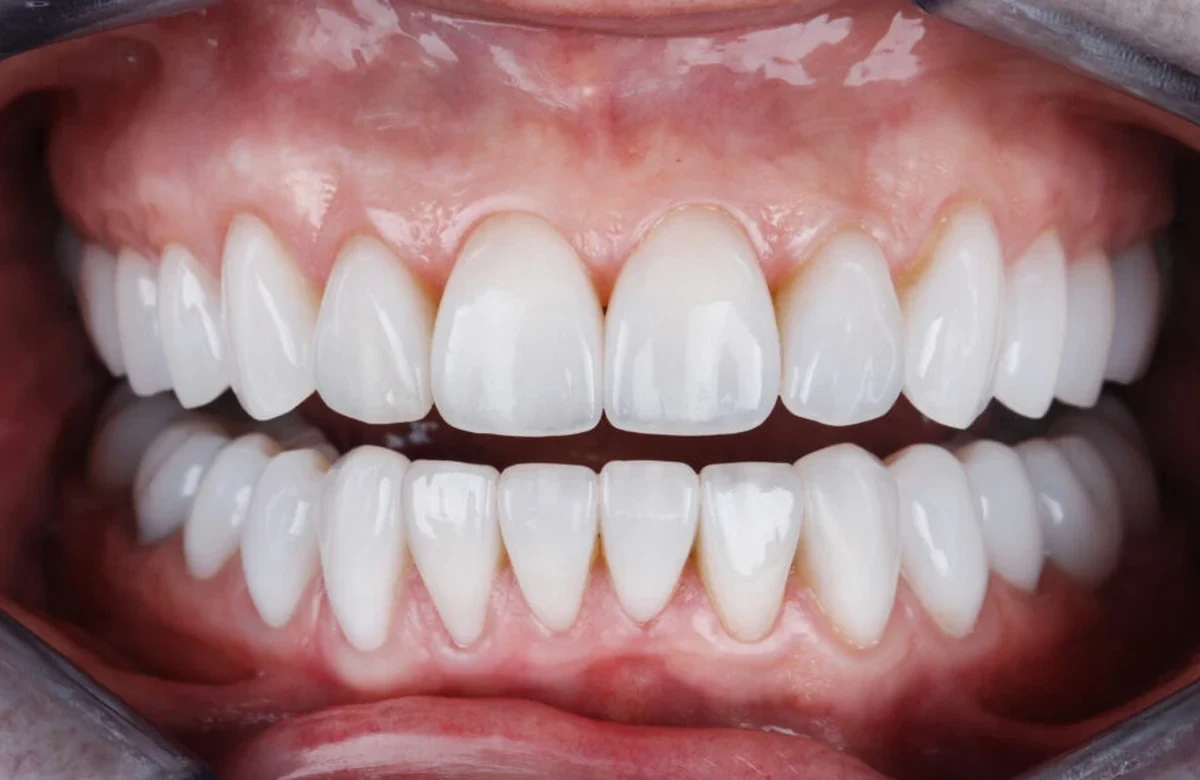
One dentist recommends Invisalign and two small bonding additions. Another suggests six porcelain veneers. Both seem professional, both show attractive examples of their work and both say they can improve your smile. What should you do when the plans are so different?
Differences between recommendations are not always evidence that somebody is wrong. Clinicians may give different weight to the durability of a material, the amount of tooth movement involved, the patient's budget or the appearance they believe the patient prefers. But there are also occasions when a proposal has not properly addressed a clinical issue or has not explained the trade-offs. Comparing plans intelligently means going beyond the final photograph and price.
First check whether the two dentists understood the same goal
You might have told one dentist that you want a very bright, dramatically even smile and told another that you want to keep your teeth as natural as possible. Those are different design briefs. A more extensive recommendation may reflect a different interpretation of the result you want rather than a disagreement about dentistry.
Write down your actual priorities before comparing. Is your main concern a small gap, crowded teeth, old fillings, a darker shade or a mixture? How much time are you willing to spend? Is preserving enamel more important than achieving absolute uniformity? Would you prefer the quickest result even if future maintenance might be more involved?
Ask both clinicians to describe the treatment objective in their own words. If they are planning towards different destinations, the first task is to align the brief, not decide which quotation is cheaper.
NICE shared decision-making guidance asks healthcare professionals to discuss how treatment options fit the patient's goals and preferences. [1] That is exactly what you need when recommendations diverge.
Are they treating the same dental condition?
A cosmetic difference may conceal an important clinical question. One dentist may identify an active gum problem, an unstable bite or a tooth that needs repair before elective work. The other may have focused on the appearance without yet completing the same assessment. If the examinations were different, the plans cannot be compared on equal terms.
Ask what findings each clinician relied upon. Did they examine your gums and bite? Were relevant radiographs, scans or photographs reviewed? Have they explained the condition of existing crowns and fillings? Is there a reason why additional investigations are necessary before a definitive plan can be made?
Sometimes a treatment plan is preliminary rather than contradictory. A dentist who has not yet obtained diagnostic records may be describing possibilities, while another has made a recommendation after a more detailed work-up.
Do not confuse confidence of presentation with completeness of assessment. The useful measure is whether the clinician can explain why the proposed intervention fits the findings.
Compare what happens to each healthy tooth
This is one of the most revealing tests. Ask both dentists to mark which teeth will be moved, whitened, bonded, prepared for veneers or left alone. A plan involving eight veneers could be appropriate in some circumstances, but it should not escape scrutiny merely because the end result looks uniform on-screen.
If a less extensive plan can meet your main goal without removing healthy enamel, that advantage deserves serious consideration. On the other hand, a small composite addition may not be able to solve a major colour or shape issue predictably, so the conservative option is not always sufficient.
Ask for the likely impact on tooth structure. Would a veneer require enamel reduction? Would an orthodontic plan need a longer course and retainer use? Would a whitening plan leave existing restorations unmatched?
The best comparison is not ‘which is more cosmetic?’ but ‘what must be changed, what can be preserved and what are the consequences of each route?’
FDI guidance on tooth wear emphasises diagnosis and preservation before restorative treatment, a useful principle when weighing optional interventions on sound teeth. [2]
Are the time estimates realistic?
An Invisalign-led plan may take months and require long-term retainer use. A ceramic plan may involve a shorter active cosmetic phase but require tooth preparation, laboratory work and future restorative maintenance. The initial calendar commitment is not the full picture.
Ask how many visits each plan is likely to involve and what could make the timeline longer. Does the orthodontic estimate include possible refinements? Does the veneer plan include diagnostic work, provisional restorations, try-in and review? Would whitening need to be completed before choosing the restoration shade?
A fast plan is not necessarily poor, and a long plan is not automatically superior. Both should be credible in light of the proposed procedures. If one promises an exact finish date despite unresolved clinical questions, seek an explanation of the uncertainty.
The British Orthodontic Society advises that retainers are an essential part of maintaining orthodontic results. [3] A plan that looks inexpensive or quick only because its aftercare has been omitted is incomplete.
Make the quotes genuinely comparable
Two prices are only comparable when you know what they include. One quote may bundle scans, retainers, refinements and reviews; another may list only the main active treatment. Laboratory fees, temporary restorations, gum care or repairs may be separately charged.
Request a written breakdown of the proposed treatment, including preparatory care, each restoration or appliance, reviews and foreseeable additional fees. Ask whether the price is fixed or subject to findings that have not yet been assessed. Identify any work that would be optional rather than essential.
Government guidance encourages patients to compare private dental prices and ensure they have clear written plans and costs, including updates if treatment changes. [4] This is especially important when one plan includes several different techniques.
A lower initial quotation does not necessarily mean lower long-term cost. But a more expensive proposal does not become clinically better simply because it includes premium-sounding materials.
What about different advice on veneers and composite?
A dentist may prefer composite when changes are small, enamel is healthy and repairability is important. Another may recommend ceramic because the colour change is greater or a different long-term appearance is desired. Both approaches have advantages and limitations.
Clinical research provides context. A practice-based ten-year comparison found better survival and success measures for ceramic veneers than direct composite in that particular cohort. [5] But the result does not establish that every tooth should receive ceramic or that composite is unsuitable for modest changes. Selection, preparation, bite, operator technique and patient habits matter.
Ask the clinicians what evidence or experience underpins the material choice for your specific teeth. How much maintenance do they anticipate? What happens if a small part chips? What other treatment could preserve more natural structure?
A sound recommendation explains why its benefits justify the commitment, rather than claiming a material is always the best.
What if one dentist recommends more teeth than the other?
The difference may come from shade matching, balancing proportions or how many teeth show during a full smile. If only the two central incisors trouble you, treating six or eight teeth may be unnecessary; if there are marked inconsistencies across the visible smile, a broader plan might be reasonable.
Ask each clinician why the proposed number is necessary. Can they show you what a smaller plan would look like? Would untreated neighbouring teeth appear noticeably different? Could whitening or another preparatory step reduce the number of restorations?
Be particularly cautious about treating healthy teeth to fulfil a package number. ‘Six veneers’ is a description of a quantity, not a diagnosis or justification.
At the same time, do not insist that the dentist use fewer teeth if that would create an unstable or aesthetically disappointing result. The point is to understand the trade-off and make an informed decision, not to declare the smallest plan automatically correct.
An independent second opinion is not disloyal
You can ask another qualified clinician to assess your case, especially before extensive irreversible treatment. Be clear about what you want reviewed. If the disagreement concerns whether tooth movement is feasible, an orthodontic assessment may be informative. If the issue is the long-term prognosis of extensively restored teeth, a restorative opinion may be more relevant.
Provide existing records where appropriate so the second clinician can work from accurate information. But remember that interpreting clinical findings still involves professional judgement. Two responsible clinicians can sometimes reach different reasonable conclusions when more than one option is suitable.
A second opinion is most useful when it explains why recommendations differ and what each choice would mean. It should not be reduced to finding somebody who agrees with the answer you already wanted.
The Care Quality Commission's consent guidance emphasises the patient's ability to understand options and make a voluntary decision. [6]
A scoring approach that does not pretend dentistry is mathematics
Create a simple comparison with the following headings: health and stability, appearance, amount of natural tooth altered, treatment time, maintenance, total cost and alignment with your priorities. Write a short paragraph for each plan under each heading.
Do not give the plans an arbitrary score out of ten based on the quality of the website or the confidence of the sales presentation. Instead note what is known, what is uncertain and which questions remain unanswered. For example, ‘Plan A preserves enamel but requires twelve months of aligners’ may matter more to you than ‘Plan B finishes sooner but involves permanent preparation’.
Ask whether both clinicians agree on the gum health, existing restorations and bite. If they do, the remaining choice may be largely about your preferences. If they do not, the diagnostic disagreement deserves attention before either cosmetic plan proceeds.
The best decision is one you can explain to yourself in ordinary language.
When it is reasonable to delay treatment
If both plans involve significant permanent changes and you are uncertain, you may prefer to pause. Cosmetic dentistry is often elective. Unless there is a separate urgent health problem, taking time to understand the choices can be sensible.
Ask whether a small first stage could provide useful information without committing you to the rest: improved gum health, a diagnostic trial, limited whitening or a conservative repair may sometimes clarify what is actually needed. Not every staged approach is appropriate, but it can preserve flexibility.
A practitioner should explain what would happen if you do nothing for now. If the teeth are healthy and the concern is aesthetic, that may be a reasonable option. If disease or structural instability is present, delaying necessary care has a different risk profile.
The distinction between elective improvement and health treatment should remain clear throughout the decision.
Frequently asked questions
Does different advice mean one dentist is wrong? Not necessarily. Plans may reflect different goals, diagnostic information or reasonable clinical approaches. Ask for explanations of the differences.
Should I choose the dentist with the best before-and-after images? Images can help demonstrate style, but they do not replace examination, discussion of alternatives, clinical suitability and aftercare.
Can I ask for a smaller version of a proposed makeover? Yes. The clinician can explain whether it would achieve a satisfactory result and what compromises it involves.
Is the cheapest plan the most conservative? No. Cost and the amount of tooth alteration are separate issues. A low fee does not necessarily preserve more enamel.
Can I request copies of my records? You can ask the practice how to obtain relevant records and provide them to another clinician, subject to applicable processes and data protections.
Choose the explanation you can understand and trust
An Iconic Smiles £30 consultation can help you explore your goals and hear a reasoned explanation of possible approaches. Confirm the current fee and the scope of the appointment when booking.
When two plans differ, the question is not which dentist promises the most perfect result. It is which clinically appropriate option best matches your values, preserves what ought to be preserved and comes with a clear explanation of its limits.
Clinical and decision-making sources
- NICE. Shared decision making guidance.
- FDI. Tooth wear and preservation of tooth structure.
- British Orthodontic Society. Retainers and orthodontic stability.
- GOV.UK. Choosing and paying for dental care.
- Ten-year practice-based comparison of ceramic and direct composite veneers.
- Care Quality Commission. Dental consent and informed choice.
Your next step, when you’re ready
We would be pleased to welcome you for a £30 consultation at your preferred Iconic Smiles practice. Bring your questions, and we can talk through the options that may suit you.
£30 for a planned-treatment consultation. Scans, additional investigations and emergency assessments may have separate fees; please confirm when booking.