
Bonding, veneers and whitening
Acid-related tooth wear, smile makeovers and protective nightguards
Erosion from frequent acidic drinks is a chemical process, whereas grinding creates mechanical wear; both can coexist but require different preventive action.
Discover what could suit your smile
Whether you are thinking about colour, shape or a subtle change, a £30 consultation is a welcoming place to share your ideas, ask questions and explore a personalised approach.
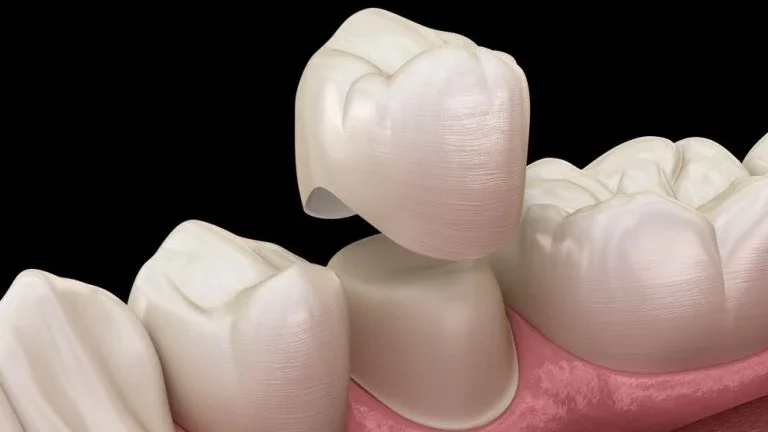
Before rebuilding worn teeth, the plan needs to address what is causing the wear. Acid erosion and grinding work differently and can occur together. Frequent acidic drinks cause chemical wear; grinding creates mechanical wear. A nightguard may help with some mechanical risks, but it cannot stop acid exposure or protect a repair from every cause of damage.
Tooth wear from acidic drinks: restorative timing
Repeated sipping of acidic drinks can soften enamel and contribute to erosion, sometimes alongside acid exposure from reflux. The assessment considers dietary frequency, reflux symptoms, sensitivity and the wear pattern, which may extend beyond teeth visible in a smile. Before bonding or veneers, the team identifies ongoing exposure and assesses whether wear is controlled. Timing and material choice depend on the remaining tooth. Direct composite may preserve more tissue in suitable cases, while extensive structural loss may need another approach. Rebuilding without controlling acid risks the new margins and neighbouring enamel, so dietary changes and medical assessment for suspected reflux may be needed first.
Why might you need a nightguard after a smile makeover?
A nightguard may help protect natural and restored teeth from some grinding or clenching forces. It is recommended according to findings such as wear facets, fractures, muscle symptoms and contacts, rather than simply because you have had a smile makeover. It should fit the completed restorations and be reassessed after later dental changes. Reviews can check wear, comfort and whether it is being used as intended. A guard cannot correct every bite issue, treat every cause of grinding or eliminate clenching and fracture risk, so it forms part of a wider plan where appropriate.
A nightguard cannot remove an acid source
A nightguard may be appropriate when mechanical tooth wear or grinding poses a significant risk, but it does not correct the repeated exposure to acid that causes erosion. The pattern and location of damage can help the dentist identify likely contributors. If a patient sips acidic drinks all day, changing the timing and frequency may be more relevant than purchasing restorative material. An effective makeover plan deals with ongoing disease or wear before trying to conceal its consequences.
Different causes need different prevention
Long sipping sessions prolong acid contact with teeth, and brushing straight after acid exposure may add wear to a softened surface. Preventive advice may include reducing exposure frequency, using water with meals and reviewing reflux or dry-mouth symptoms. Grinding needs a different assessment of wear, bite and symptoms before deciding whether a guard is likely to help.
For substantial wear, options can include additive composite, ceramic restorations or prevention and monitoring without immediate rebuilding. Sensitivity, appearance, available bite space and control of the wear process guide the choice. A guard cannot prevent acid dissolution, while dietary change cannot prevent every mechanical fracture. Photographs, wear charts or study models can help check whether further tissue is being lost.
Deciding when prevention should come before rebuilding
Before choosing restoration, understand whether rebuilding is needed now or whether prevention and monitoring should come first. Diet timing, saliva, reflux, brushing and bite contacts may all be relevant. The plan should connect the proposed cosmetic change with measures to manage the cause of wear.
Sources for further reading
Your next step, when you’re ready
We would be pleased to welcome you for a £30 consultation at your preferred Iconic Smiles practice. Bring your questions, and we can talk through the options that may suit you.
Any additional investigations and their fees will be explained before you decide.