
Bonding, veneers and whitening
Bonding Veneers to Worn Teeth and Existing Restorations
Explore why the underlying enamel, tooth wear and existing composite restorations matter when planning how to bond a porcelain veneer.
Discover what could suit your smile
Whether you are thinking about colour, shape or a subtle change, a £30 consultation is a welcoming place to share your ideas, ask questions and explore a personalised approach.
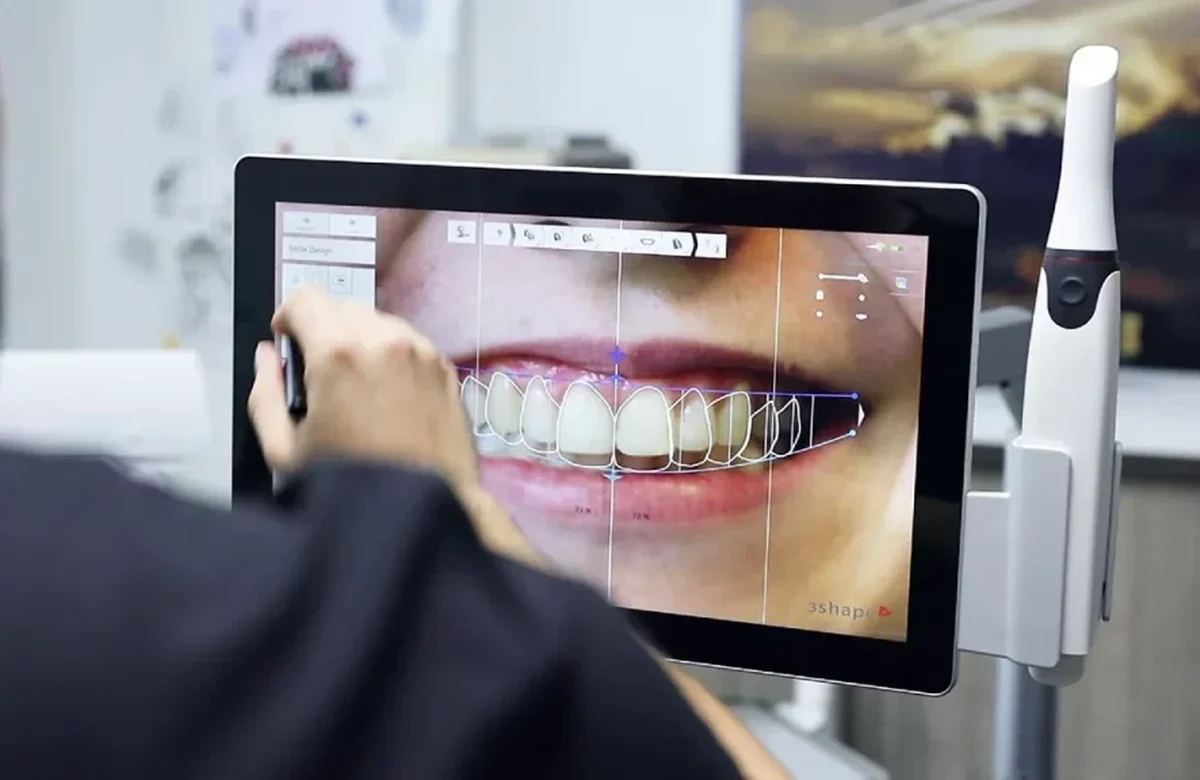
The tooth beneath a porcelain veneer matters to how reliably it can bond. Sound enamel generally provides a more predictable surface than dentine or an old composite restoration, although the approach depends on the tooth. Heavy wear may leave little enamel and expose the restoration to substantial biting forces, so the foundation needs assessing before ceramic is chosen.
Bonding veneers to enamel versus dentine
Bonding to enamel is usually more predictable than extensive bonding to dentine. The amount of prepared enamel should be discussed when choosing veneer design.
Enamel provides a particularly predictable bonding surface for veneers, while bonding to dentine can be more technically demanding. Assess remaining enamel, depth of preparation and condition of tooth. Alternative restoration designs may suit heavily restored teeth. Claiming minimal preparation without showing what tissue remains is inadequate. Ask how much enamel is expected to remain and whether orthodontics or bonding could conserve more tissue in your situation. Ask to see how much enamel is expected to be preserved.
Can thin or worn enamel support porcelain veneers?
With thin or worn enamel, the dentist assesses the amount of sound tissue, exposed dentine, sensitivity, tooth vitality, the cause of wear and the bite. Ceramic, direct composite, another restoration or no elective treatment may be appropriate depending on the findings. Erosion and previous restorations can reduce the enamel available for bonding; a polished ceramic surface cannot compensate for an unsuitable foundation. Ongoing acid exposure needs control alongside restoration to reduce the risk of failure and further tissue loss. The preparation, possible stages and uncertainty about longevity should be clear before treatment.
Ceramic veneers after previous composite bonding
Existing composite may cover sound enamel, dentine, staining, cracks or decay, and the full condition may become clear only as it is assessed or removed. The dentist considers the old margins and anatomy and decides which areas to preserve, repair or remove. Repairing a small composite defect can sometimes preserve more tooth than changing to a veneer. Bonding ceramic mainly over failed material may reduce predictability, while removing sound resin solely for appearance can increase preparation unnecessarily. Photographs and a tooth-preservation discussion can help explain why the proposed veneer design may change after examination.
When a veneer would bond partly to an old filling
Where much of the original enamel has already been replaced by filling material, a veneer may be bonded partly to resin rather than natural enamel. The clinician should inspect the quality of that substrate and the extent of existing cracks or leakage. A patient with extensive wear or heavy bite forces may need an alternative design. The presence of old composite does not mandate removal, but it should be explicitly included in the consent and maintenance discussion.
Weighing ceramic against repair and preservation
Changing from composite to ceramic introduces a new restoration on an already treated tooth. Compare the likely benefits with the additional tissue removal and maintenance involved. Repair, a different restoration or leaving suitable existing work in place may deserve consideration alongside a veneer.
Sources for further reading
Your next step, when you’re ready
We would be pleased to welcome you for a £30 consultation at your preferred Iconic Smiles practice. Bring your questions, and we can talk through the options that may suit you.
Any additional investigations and their fees will be explained before you decide.