
Bonding, veneers and whitening
Repairing a Worn Canine Tip with Composite Bonding
A flattened canine tip can change the character of a smile and sometimes alter how the teeth slide past one another.
Discover what could suit your smile
Whether you are thinking about colour, shape or a subtle change, a £30 consultation is a welcoming place to share your ideas, ask questions and explore a personalised approach.
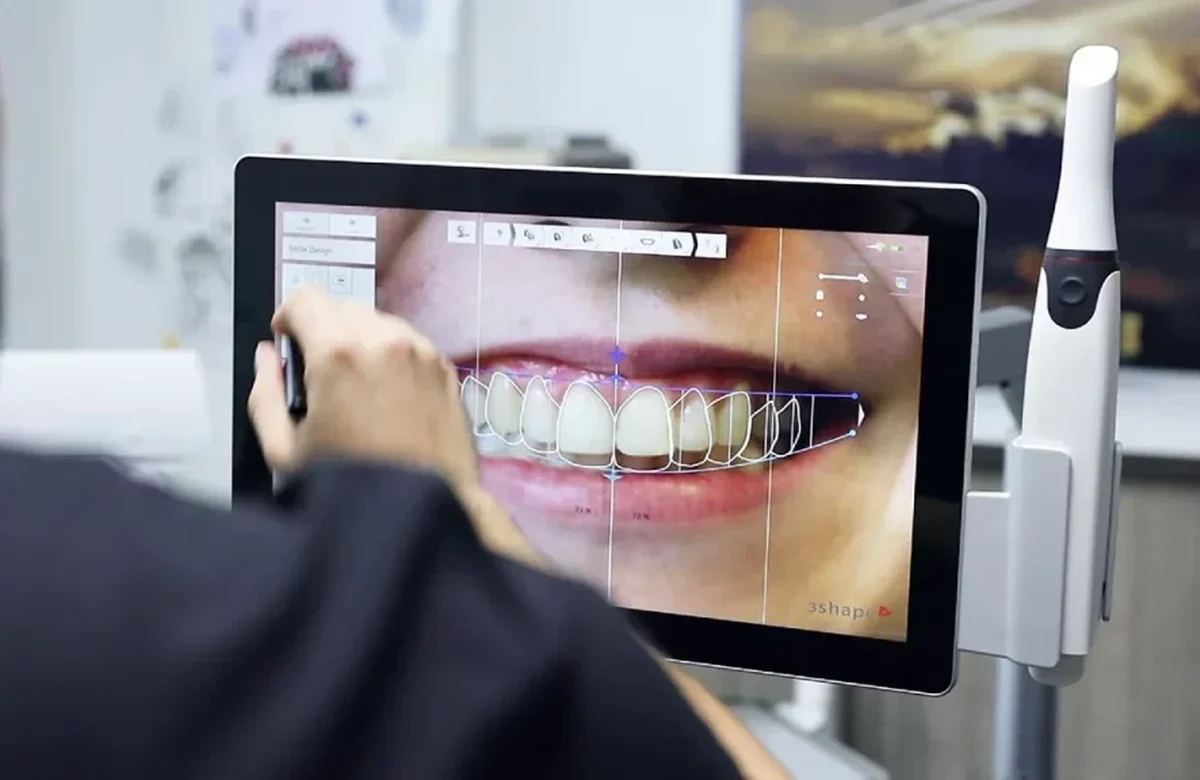
Composite may restore a worn canine tip conservatively, but the new shape needs to work in your bite. A flatter tip can affect appearance and how teeth slide past one another. Rebuilding it to a sharp point may put the addition directly into sideways biting contacts. The assessment therefore separates a shape preference from active wear that could repeatedly stress the bonding.
What caused the flattening?
The clinician assesses wear on the other canine, neighbouring incisors and posterior teeth. An isolated chip is different from bilateral flattening associated with long-term attrition. Tooth orientation and the way the lower teeth contact the upper canine can increase loading on the tip. Photographs and bite examination help determine whether it is sensible to replace the missing shape immediately or whether the bite needs attention first.
The advantage of direct composite
Tooth-coloured resin can be layered and sculpted directly onto an existing tooth, often with little or no conventional drilling when adequate enamel remains. Different shades and degrees of translucency can be combined to create a natural gradient. Unlike an indirect ceramic restoration, small contour changes can often be made chairside. The conservative appeal is especially strong when the damage is localised and the tooth is otherwise healthy.
Understanding functional contacts
The bonded canine is checked as you close and move your jaw sideways. If its new tip receives heavy force first, it may chip or wear early. A smaller addition can be more suitable than copying the other canine exactly. In some cases, alignment, broader restorative planning or management of the cause of wear offers a better approach than adding the longest possible tip.
How the bond is made
The dentist needs a clean, appropriately isolated surface and chooses an adhesive procedure based on enamel and any exposed dentine. The composite is placed and light-cured in controlled increments, then finished to the intended contour. Polishing matters because the tip must look natural and avoid collecting plaque at rough margins. The patient should be able to floss and clean the restored tooth without catching on a sharp or overhanging edge.
Longevity and maintenance
Composite can stain, lose gloss or require repair over time, particularly at stressed edges. It is not appropriate to promise a fixed lifespan without considering diet, bite and habits. Patients who clench or grind may need a separate protective assessment, but a nightguard should not be prescribed automatically solely because bonding is planned. A review checks both the appearance and the way the added material participates in the bite.
When ceramic is worth comparing
Ceramic may be worth comparing when you want broader changes to the surface or appearance, but its preparation and cost differ from bonding. For one worn corner, weigh the amount of healthy tissue each option would alter against the improvement you want. The smallest suitable intervention still needs to respect chewing and sideways tooth contacts.
A functional example from the canine guidance
For example, an upper canine may look flatter than its partner because the lower canine rubs across that area in sideways movement. A long composite tip placed in the same path could receive repeated shearing forces. The dentist might discuss a smaller addition, a different pattern of tooth contacts or alignment to improve the forces. If bonding is appropriate, it needs finishing and checks through several jaw positions, beyond closing the mouth. Seeing which contact would change and how it will be reviewed makes the balance between appearance and function clearer.
Composite bonding for uneven canine tips
First decide what looks uneven
Uneven canine tips can mean different things: a naturally different outline, a small fracture or a change from tooth wear. Those descriptions lead to different decisions. Before adding resin, identify whether your concern is the length, sharpness, colour or position of the canine. Photographs from earlier years can help describe a change, but they do not replace examining the teeth. [1]
Adding length needs a functional plan
Changing a canine tip changes a surface that may meet other teeth during jaw movement. The proposed shape therefore needs assessment in the bite, rather than approval from a front-view photograph alone. Ask which contacts will be checked and whether the intended addition leaves enough room for normal function. This is an individual planning question; a cosmetic outline cannot establish its answer.
If the tip is wearing, address the reason
UK prevention guidance describes tooth wear as involving chemical and mechanical processes, which may occur together. Acid exposure, medical history and habits may therefore matter when investigating a changing tip. Bonding can alter the shape, but it should not be presented as removing an ongoing cause of wear. Discuss prevention alongside any restoration. [1]
Discuss adding, observing or changing the wider plan
Leaving a harmless asymmetry alone is an option to discuss. If tooth position is the main concern, ask whether alignment would address it more appropriately. If smoothing is proposed instead of adding, clarify exactly what tissue would be removed: adding composite and removing enamel have different consequences. Consent should cover the reasonable options for the diagnosed issue.
Set realistic expectations about repair
Research on anterior composite identifies fracture and appearance changes as possible reasons for intervention. It does not isolate a reliable lifespan for canine-tip bonding. Agree how a small chip would be assessed, whether local repair is possible and what repeated chipping would prompt the clinician to reconsider. Avoid treating a general bonding survival figure as a promise for this particular contact area. [3]
Research and guidance
Your next step, when you’re ready
We would be pleased to welcome you for a £30 consultation at your preferred Iconic Smiles practice. Bring your questions, and we can talk through the options that may suit you.
Any additional investigations and their fees will be explained before you decide.