
Bonding, veneers and whitening
Composite Bonding After Injury: Preventing Chips and Planning Repairs
A fractured front tooth raises two separate questions: is the tooth healthy after trauma, and how should lost shape be restored?
Discover what could suit your smile
Whether you are thinking about colour, shape or a subtle change, a £30 consultation is a welcoming place to share your ideas, ask questions and explore a personalised approach.
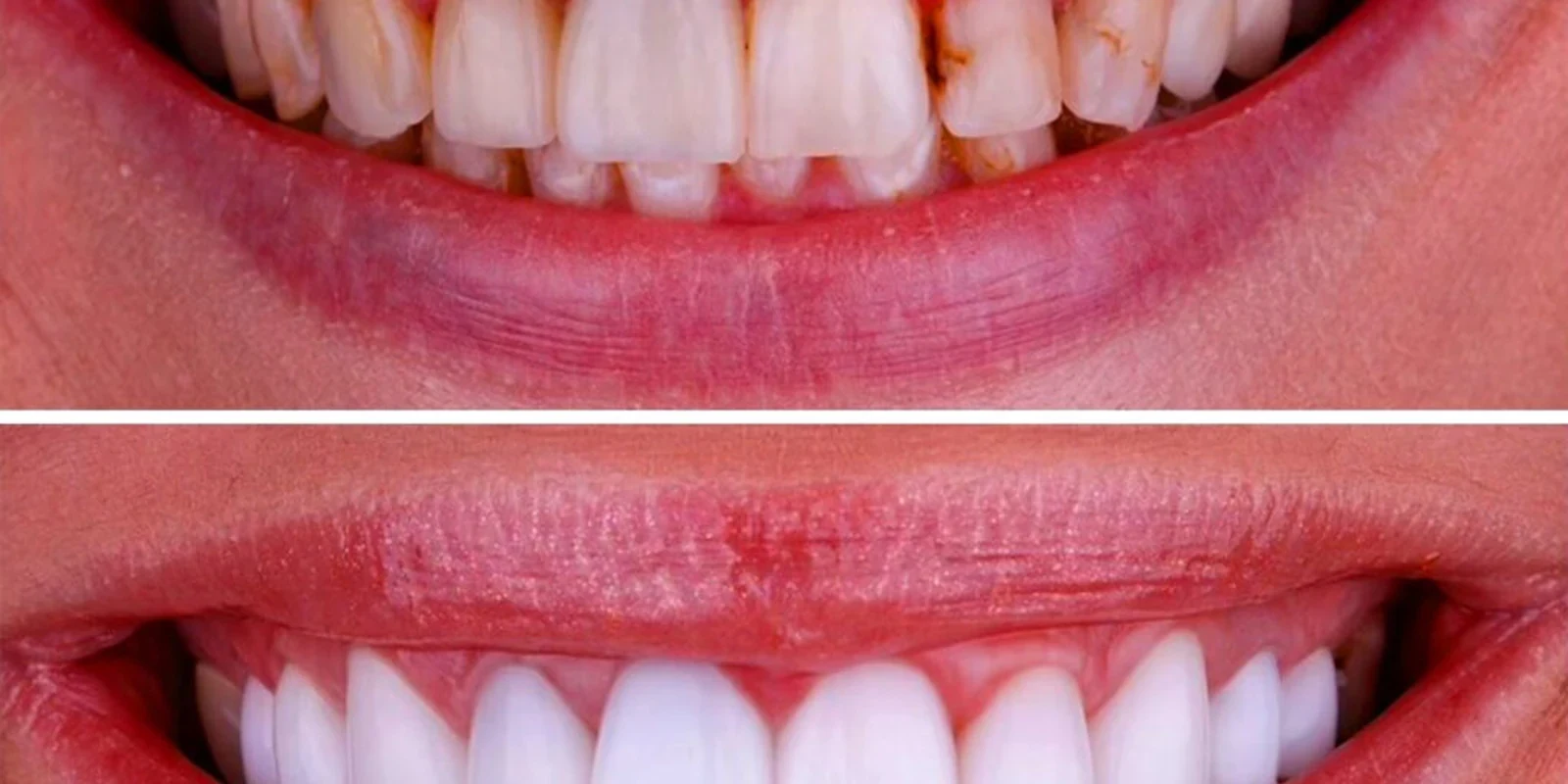
Composite bonding can rebuild a chipped front-tooth edge conservatively after an injury, once the tooth's health has been assessed. Checks may include its response to sensibility tests, X-rays when indicated and how the teeth meet. The repaired edge can still be vulnerable to another blow or heavy biting, so prevention and follow-up belong in the plan alongside colour and shape.
Composite bonding after a tooth injury
A fractured tooth needs assessment for nerve symptoms, cracks, looseness and displacement before cosmetic repair. The dentist may test its response to sensation, check the bite and take X-rays where appropriate. A small, stable fracture may be suitable for bonding, while a deeper injury can need monitoring or other treatment. The nerve can also lose vitality later, sometimes with darkening of the tooth, so covering the chip must not conceal a developing problem. Bring the broken fragment if you have it, and seek prompt assessment after a significant knock, especially if the tooth is tender, loose or changing colour. New pain, colour change or movement also needs review.
How can you reduce chipping of composite bonding?
Bonded edges are more likely to chip where thin resin meets heavy forces. The dentist will consider edge-to-edge contacts, grinding, inadequate support, thick unsupported resin and biting on hard items, fingernails or packaging. Checking contacts as you close and move your jaw forwards and sideways can show where an edge is overloaded. Small chips may need only polishing or a local repair; repeated breakage may justify changing the design or material, adjusting contacts or considering orthodontics. A nightguard may help some people who grind, but cannot replace correcting an obvious overload or make bonding indestructible. Noting where and when chips occur, including during ordinary chewing, is more useful than simply adding thicker resin each time.
How long should composite bonding be expected to last?
Composite has no universal expiry date. A small edge addition and a large restoration rebuilding several surfaces face different demands. Size, material thickness, bite forces, diet, staining habits, cleaning, polishing and repair history all affect service. Study averages cannot guarantee a lifespan for your tooth. A local chip can often be repaired separately, whereas widespread staining or failing margins may call for partial or complete replacement. Before treatment, understand the likely maintenance, review arrangements and foreseeable repair costs; the initial fee should not be treated as lifetime care.
Why a small chip may need follow-up
For example, a newly chipped incisor may look like a straightforward shape repair, yet the injury history and the tooth's response to testing can change the plan. The dentist may need justified imaging and later sensibility checks even after rebuilding the edge. If you tend to bite on that corner or open packaging with your teeth, addressing the habit also helps protect the repair.
Protecting an injured tooth after bonding
For a sports-related injury, include a protective mouthguard in the discussion. If the nerve or root was affected, cosmetic rebuilding does not replace the tooth's follow-up care. The treatment plan should distinguish protection of the injured tooth from future maintenance of the composite, so you know what each review is intended to check.
Sources for further reading
Your next step, when you’re ready
We would be pleased to welcome you for a £30 consultation at your preferred Iconic Smiles practice. Bring your questions, and we can talk through the options that may suit you.
Any additional investigations and their fees will be explained before you decide.