
Bonding, veneers and whitening
What Is a Trial Smile? Mock-Ups Before Composite Bonding
A person contemplating a smile makeover might be shown a digital image of straighter, whiter, more symmetrical teeth.
Discover what could suit your smile
Whether you are thinking about colour, shape or a subtle change, a £30 consultation is a welcoming place to share your ideas, ask questions and explore a personalised approach.
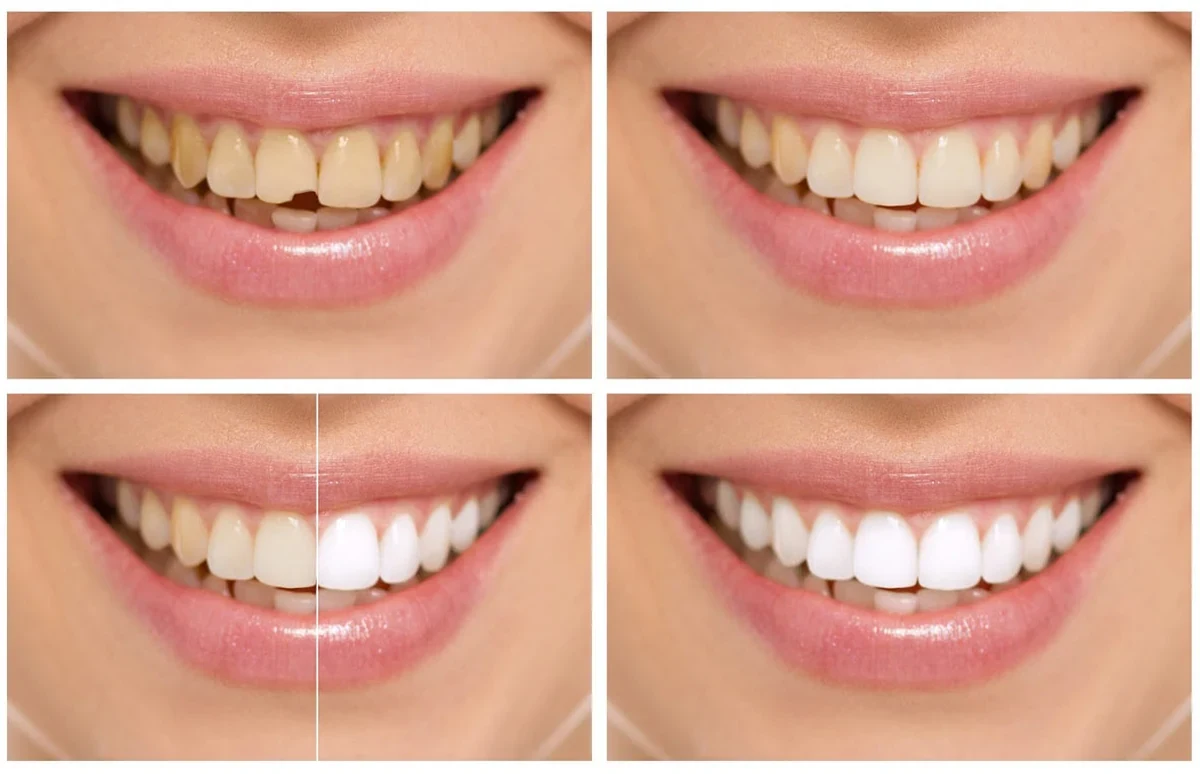
A trial smile is a physical preview of proposed tooth contours, often developed from a wax-up or digital design. It helps assess length, proportions, lip support and sometimes speech before final treatment or irreversible preparation. It can show more practical detail than a screen image, with limits on how closely its colour, strength and longer-term behaviour match the final restorations.
Start by defining the change you actually want
Use the preview to test a specific change, such as longer edges, a different width or more balance between teeth. Photographs, a scan and records of facial movement and the bite help define it. Compare the proposed shape with your own proportions and preferences, including natural asymmetry. A trial is most useful when it answers those questions rather than presents a standard row of teeth.
How a wax-up becomes a physical preview
The laboratory or clinician may design new tooth contours on a model or in software. A silicone index can then transfer a temporary material onto the teeth to demonstrate the shape. This may be a non-bonded preview, depending on the method, so it is not a promise of permanent strength or exact colour. Some patients see a trial built directly with composite instead. The important distinction is whether the preview requires enamel preparation, whether it is reversible and how closely it represents the final restorations. Ask to see the proposal in ordinary light and not solely under surgery lamps.
Test the smile beyond a front-facing photograph
Longer front teeth may appear attractive in a posed smile yet interfere with certain sounds or contact the lower incisors uncomfortably. The dentist should assess the lips at rest, broad smiling, speech and jaw movements. Look at the tooth edges from the side, the relationship of the canine tips to the smile line and whether the upper incisors appear bulky. Small differences in surface curvature can change how much light a tooth reflects. A mock-up is particularly useful for discussing these details before porcelain work, where post-fitting changes can be more constrained.
Why a mock-up does not replace diagnosis
A trial can show external contour but cannot confirm that the tooth has sufficient enamel for bonding, that gum disease is controlled or that the bite will remain stable over years. Radiographs, oral examination and clinical records still matter. If a smile would benefit from orthodontic movement first, placing extra material over crooked teeth can create unnecessarily thick results. Teeth with large old restorations may need different plans from untouched teeth. The dentist should explain which parts of the preview are achievable with direct composite, ceramic, alignment or whitening, and which require additional treatment.
Choosing between bonding and porcelain after the preview
Composite allows direct sculpting and may be suitable for modest contour corrections with little or no preparation. Porcelain may be indicated where extensive colour or shape change is planned and sufficient sound tooth structure exists. A trial smile helps compare design options but does not establish which material is clinically best. For healthy teeth, enamel preservation is a central consideration. Ask whether the proposed ceramic thickness would require drilling and whether a staged align-whiten-bond approach could achieve the desired proportions. The quoted package should distinguish diagnostics, trial, definitive treatment and later maintenance.
How to use the appointment effectively
Photographs can help you describe features you like, with your own anatomy guiding what is achievable. Review edges, gums, texture, colour and bite, and establish what can be modified before approval. The preview should help distinguish worthwhile changes from unnecessary alteration, with its preparation and reversibility explained.
Evidence and further reading
- NHS: dental treatment choices
- Systematic review: ceramic veneer survival and complications — PMCID PMC12076113
The practices are in Hatfield and Cheshunt in Hertfordshire, and Friern Barnet in North London. If travelling from Bedfordshire, Buckinghamshire or Essex, use the actual clinic address on your confirmation.
Your next step, when you’re ready
We would be pleased to welcome you for a £30 consultation at your preferred Iconic Smiles practice. Bring your questions, and we can talk through the options that may suit you.
Any additional investigations and their fees will be explained before you decide.