
Bonding, veneers and whitening
Chipped Front Tooth: Restoring Shape with Composite Bonding
A small chip in a front tooth can interrupt the smile line and catch the eye even when the remaining tooth feels sound.
Discover what could suit your smile
Whether you are thinking about colour, shape or a subtle change, a £30 consultation is a welcoming place to share your ideas, ask questions and explore a personalised approach.
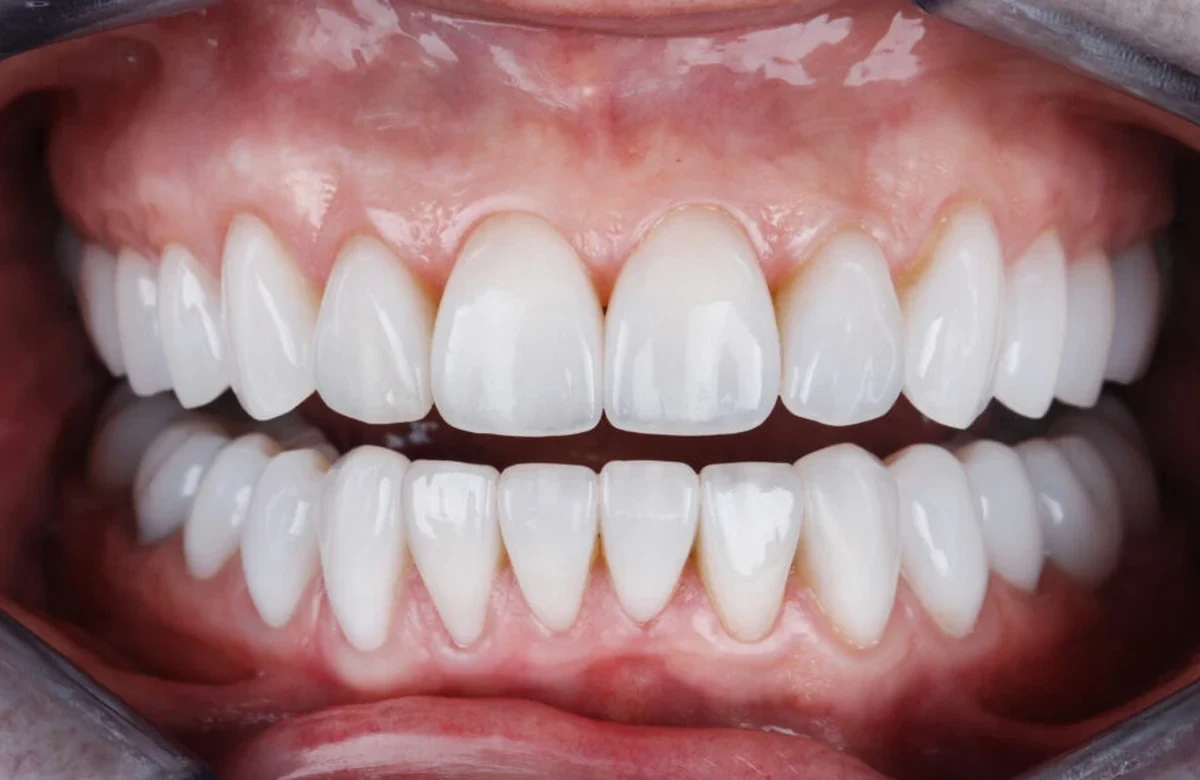
Composite bonding can often rebuild a small chipped corner of a front tooth while preserving most healthy enamel. A veneer or crown is not automatically necessary. First, the dentist checks how far the damage extends and why it happened; even a small visible chip can need more assessment than its appearance suggests.
Establish the extent of the injury
An enamel chip differs from a fracture that reaches the dentine beneath it or approaches the pulp, the living tissue inside the tooth. Your dentist checks sensitivity, looseness, cracks, the bite and any history of an impact. An injury can affect the supporting tissues despite leaving only a small visible chip, so tests or imaging may be appropriate. A tooth with a large old filling also needs different consideration from an otherwise intact front tooth with a tiny chipped corner. These findings establish whether restoring the shape is enough or other treatment takes priority.
Why direct composite often suits small defects
Composite can be added to enamel in carefully controlled layers, shaped to reproduce the original edge and polished to blend with neighbouring teeth. For a limited chip, this can retain more sound tissue than a crown and avoid making an impression for a laboratory restoration. The shade may need both a body colour and a more translucent edge to look natural. A successful repair depends on the amount of bonding surface available, adhesive technique and the direction of contact with the opposing tooth. It is not just a matter of selecting a colour and filling a hole.
Edge shape controls light and appearance
A natural front edge has slight curves, translucency and texture. A blunt, square repair can stand out even in the right shade. Comparing the tooth with its counterpart helps the dentist plan the shape, but restoring every millimetre of the former length may not suit your bite. A slightly rounded contour may look more natural and avoid a sharp projection. The edge is checked as you speak, smile and close your teeth. If it catches during normal jaw movement, the design may need changing rather than accepting repeated breakages.
Find the cause before rebuilding a longer edge
A chip may result from a one-off sports injury, an accidental bite on a hard object or repeated loading in a deep bite or grinding pattern. If the edge broke because of the way opposing teeth meet, extending composite into the same contact path may be unsuitable. The clinician should inspect wear facets, tooth inclination and the bite. Orthodontic movement or a different shape may be preferable in some cases. Patients should also ask about an appropriate sports mouthguard when contact sports are involved. The aim is a restoration that fits function, not just a fast photographic improvement.
When ceramic or another approach is justified
A large defect, deep crack, substantial existing filling or discoloured tooth may require different restorative options. A ceramic veneer can offer carefully controlled shape and colour in selected situations, while a crown is generally a more extensive intervention. Neither should be recommended automatically for a small isolated enamel chip. If the tooth is severely traumatised, treatment of the pulp or supporting tissues may take priority over cosmetic shape. The clinician should discuss what is reversible, what tooth structure must be removed and what the likely maintenance needs are for each option.
What the first consultation should deliver
The assessment should establish the depth of the chip, how much surface is available for bonding and whether the rebuilt edge would contact the opposing teeth. Photographs from different angles help compare width, length and translucency with nearby teeth. Include likely aftercare in the decision. A suitable small chip can often be repaired efficiently, with careful diagnosis, shaping and bite checks keeping the treatment proportionate to the damage.
Evidence and further reading
- NHS: dental treatment choices
- Iconic Smiles: composite bonding treatment information (commercial page, not independent clinical evidence)
The practices are in Hatfield and Cheshunt in Hertfordshire, and Friern Barnet in North London. If travelling from Bedfordshire, Buckinghamshire or Essex, use the actual clinic address on your confirmation.
Your next step, when you’re ready
We would be pleased to welcome you for a £30 consultation at your preferred Iconic Smiles practice. Bring your questions, and we can talk through the options that may suit you.
Any additional investigations and their fees will be explained before you decide.