
Bonding, veneers and whitening
Composite bonding for short front teeth: added length and your bite
Explore lengthening short front teeth with composite bonding, including bite contacts, available space, conservative limits and future maintenance.
Discover what could suit your smile
Whether you are thinking about colour, shape or a subtle change, a £30 consultation is a welcoming place to share your ideas, ask questions and explore a personalised approach.
£30 for a planned-treatment consultation. Scans, additional investigations and emergency assessments may have separate fees; please confirm when booking.
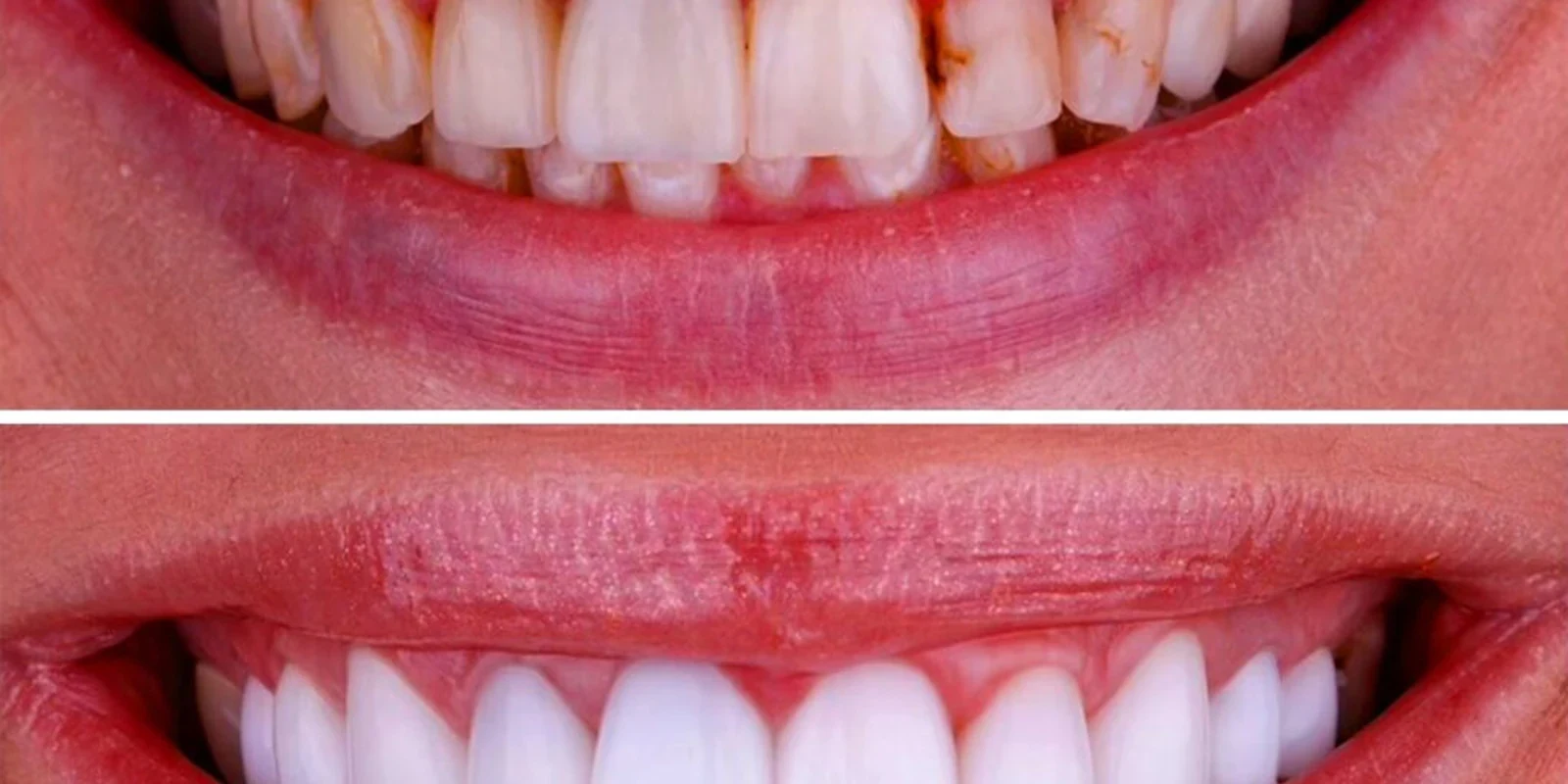
A small change in the length of your front teeth can have a surprisingly strong effect on your smile. You may feel that the upper teeth disappear when you speak, that two teeth look shorter than their neighbours or that your smile lacks definition along its lower edge. Composite bonding can sometimes add a modest amount of shape and length without extensive tooth preparation. The important question is not only whether the result looks attractive but whether those extra millimetres will work with your bite.
Front teeth are used for biting into food, speaking and guiding movements of the jaw. Their length, position and contact with the opposing teeth can influence all three. Bonding that looks excellent in a photograph may be uncomfortable or vulnerable to chipping if it extends into a high-contact area. The aim should be a natural result that preserves healthy structure and feels manageable in ordinary life, not simply the longest edges a dentist can build.
First ask why the front teeth look short
A naturally smaller tooth is different from one that has worn down over time. Some people have front teeth with short or softly rounded edges, while others have lost enamel through grinding, acidic erosion or a history of chipping. An uneven gum line can make a tooth seem shorter even when its biting edge is normal. Tooth position can also affect how much of a front tooth is visible when the lips are relaxed.
The dentist should identify the cause before proposing bonding. If the upper incisors have lost length because of persistent grinding, simply adding material may recreate the same vulnerable shape. If a tooth is naturally smaller but has a favourable bite, a conservative build-up may be straightforward. If the gum covers an unusually large part of the visible crown, the most appropriate discussion may involve gum shape rather than the edge of the tooth.
Ask what the clinician believes should change: visible length, width, gum proportion, alignment or the way the lips frame the smile. When these questions are separated, it becomes easier to avoid unnecessary treatment of otherwise healthy teeth.
Why can a single millimetre make such a difference?
The upper incisors often provide the visual reference for smile proportions. Their edges form a line that relates to the curve of the lower lip when smiling. Extending a central incisor very slightly may alter that line and make the smile look fuller or more youthful. But 'more length' is not automatically 'better'. Too much additional material can create a dominant, artificial appearance or interfere with the opposing teeth.
The dentist should consider the tooth's width, the adjacent incisor positions and how much of the tooth you show at rest. Your speech is relevant too, because certain sounds involve the relationship between the lips and front teeth. A trial build-up or carefully assessed temporary material may help where the change is substantial, but it cannot guarantee how the definitive restoration will feel over time.
Patients often find it more useful to compare subtle alternatives than to ask for a single dramatic new shape. A small proportionate improvement can look more natural and require less composite. That may also make later repair easier if the edge chips.
The difference between bonding and moving the tooth
Composite bonding adds resin material to existing enamel. It does not move the tooth or change the position of its root. If a front incisor seems short because it is tilted backwards or sits high in the arch, orthodontic repositioning may sometimes correct the appearance more appropriately. Adding material to compensate for a poorly positioned tooth can create excessive bulk or an unfavourable contact with the lower teeth.
The choice is especially important when several teeth have different positions. One tooth may benefit from a small bonded edge while another needs alignment first. This is why a good dentist does not recommend an identical lengthening package for everyone. The correct intervention follows the anatomy and the amount of available bite space.
Ask whether orthodontic treatment, enamel contouring or whitening could meet your goal with less material or fewer restorations. A combined approach may be considered where suitable, but it should be proportionate. The NHS describes braces as a way to move teeth and improve their relationship, while veneers and other restorations change the teeth's surfaces [1].
How does the lower bite limit added length?
When you close your mouth, the lower incisors may sit behind the upper front teeth or contact them in a particular pattern. As you slide your jaw forwards, those contacts change. A newly extended edge can end up taking force before other teeth or can collide with the lower incisors during movement. That increases the likelihood of chipping or discomfort and may require adjustments to the design.
The clinician should assess the bite before bonding, particularly if you have a deep overbite or edge-to-edge relationship. A photo with your mouth open cannot demonstrate this. Ask the dentist to explain where the added composite will contact during normal function and whether there is enough room for the planned shape. If the bite is unfavourable, aligning teeth first or limiting the amount of added length may be safer.
Teeth grinding makes this conversation more important. The NHS notes that bruxism can be associated with worn or broken teeth and restorations [2]. Bonding can be repairable, but repeated fracture should prompt reconsideration of the biting relationship rather than endless replacement of the same edge.
What happens during the bonding appointment?
The dentist first agrees the shape and desired colour with you. Teeth are examined and cleaned, and suitable surfaces are prepared for adhesive bonding. Composite resin is then placed in controlled layers or shaped according to the chosen technique, hardened and polished to create an edge that blends with the natural tooth. The amount of enamel alteration varies by case and should be explained before proceeding.
A good result depends on more than the initial colour match. The resin needs appropriate contour and smoothness so it feels comfortable to the lip and tongue and does not trap plaque. Your dentist should check the contacts with the opposing teeth and make adjustments where needed. You should be able to close and move your jaw naturally before you leave.
Ask whether the proposed change is additive or involves removing healthy enamel. Some treatment can be relatively conservative, but 'non-invasive' should not be used as a blanket description when drilling, significant enamel adjustment or irreversible preparation is involved. Honest language supports better consent.
How natural can the edges look?
Natural front teeth are not completely uniform. They have subtle differences in translucency, line angles, surface texture and the way light passes through their edges. Composite resin can be layered and polished to mimic many of those effects, although it is not biologically identical to enamel and may stain or wear differently over time.
An attractive result often comes from restraint. Rather than lengthening every visible tooth equally, the dentist may adjust only the central incisors or slightly change the relationship between central and lateral teeth. The aim is a pleasing balance rather than the perfectly flat row sometimes seen in edited photographs.
Bring examples of smiles you like, but be specific about what appeals: perhaps a gentle curve, rounded corners or less of a worn appearance. Your clinician should translate those preferences into a design that respects the bite and the natural character of your teeth.
Will the composite change your speech?
Even small additions to the front teeth can feel unfamiliar initially because the tongue and lower lip use those surfaces during speech. Most people adapt to modest changes, but the response varies and excessive length or bulk may require adjustment. If you sing, record audio or speak professionally, tell the dentist before treatment so the planned contours can be considered carefully.
A trial or mock-up may be particularly helpful when several front teeth are being lengthened. Try normal conversation, smiling and reading aloud, and report any obvious difficulty. The dentist may adjust the edges or advise that the chosen shape is not appropriate. The final result should not be judged solely by a static posed smile.
Remember that resin cannot transform tooth position. If the speech-related contour needs a change that would make the biting edge too long, orthodontic assessment may be preferable to adding more material. Function and appearance have to be planned together.
Repairs, staining and long-term maintenance
Composite bonding can chip, stain or wear with time. A small repair may sometimes be possible, which is one reason patients value the material, but not every problem is simple. The extent of damage, quality of the remaining bond and bite conditions determine whether repair, replacement or a different treatment is sensible.
Avoid habits such as biting hard objects with the front edges. Follow the dentist's advice about suitable cleaning and hygiene. If you have bruxism, a protective appliance may be considered, although it will not guarantee prevention of every problem. Arrange assessment if you notice a persistent rough edge, repeated fracture or a change in the way the teeth meet.
Polishing and maintenance may be needed to retain an attractive surface. Ask about expected fees for repairs or refinements and whether repeated adjustments have clinical limits. A conservative restoration is still a restoration that requires care.
How does bonding compare with veneers?
Porcelain veneers can also change front-tooth length and shape, but they use a laboratory-made ceramic facing and may involve preparation of enamel. They can offer a different surface finish and long-term behaviour, yet they carry their own fracture, debonding and replacement risks. Bonding may be preferable for a small reversible-looking addition where sufficient enamel and a favourable bite are present. It should not be assumed to be completely reversible in every circumstance.
For extensive loss of tooth structure, a veneer or crown may be considered as part of a different restorative plan. The dentist should explain the condition of each tooth and why the proposed material and coverage are appropriate. Research on ceramic veneers reports generally favourable survival in selected cases but documents real complications, reinforcing the need for careful case selection [3].
The best choice is often the least intervention that can deliver a durable, cleanable and attractive result, rather than the most expensive material available.
A useful way to evaluate a proposed smile design
Ask for the planned change to be described tooth by tooth. Which edges will grow longer? How much? Why does one tooth need bonding while another does not? Can the clinician show the position of the lower front teeth and explain where new contacts would occur? Will a trial help you decide between a slight and a more noticeable change?
It is worth looking at the proposed design when your lips are resting and when you talk, not just when you smile broadly. Consider whether the new shape still looks like your teeth. Ask what maintenance is likely and what would happen if you later wanted the composite removed or altered.
A dentist who is willing to recommend less bonding when the bite is unfavourable may be protecting your long-term interests, not underselling the treatment. Sometimes a restrained result is the most sophisticated choice.
Common patient questions
Can bonding make my two front teeth look longer in one appointment? Often this may be possible for suitable cases, but suitability, size of the change and bite contacts need checking first.
Will adding length make my teeth easier to chip? It can increase mechanical demands if the edges are heavily loaded. Thoughtful design and bite assessment are essential; no outcome is guaranteed.
Can the new length be adjusted if it feels wrong? Some contour adjustment is possible, but the design must respect material thickness and tooth function. Discuss a trial when the change is important.
Will whitening change the composite shade later? Teeth whitening acts on natural teeth rather than composite resin, so the appearance may become mismatched. Consider colour sequencing before bonding [4].
Do I have to bond all six front teeth? No. The smallest number needed for a harmonious result is often preferable to unnecessary treatment of sound enamel.
Make the consultation a design conversation
At Iconic Smiles, discuss what makes your front teeth look short and whether additive bonding, tooth movement or another conservative option would address it. Verify the £30 introductory consultation against current practice terms and ask whether any trials or records involve separate fees. The best conversation will address the smile you want and the bite you need, before agreeing to add material to healthy teeth.
Clinical sources and further reading
- NHS — Dental treatments, including orthodontics and veneers
- NHS — Teeth grinding
- Systematic review — Survival and complications of porcelain veneers (2024)
- NHS — Teeth whitening
Patient education only. This article does not guarantee additive-only bonding, absence of preparation or a particular cosmetic outcome.
Your next step, when you’re ready
We would be pleased to welcome you for a £30 consultation at your preferred Iconic Smiles practice. Bring your questions, and we can talk through the options that may suit you.
£30 for a planned-treatment consultation. Scans, additional investigations and emergency assessments may have separate fees; please confirm when booking.