
Bonding, veneers and whitening
Composite Bonding for Minor Tooth Asymmetry: When Small Changes Make Sense
A smile can look uneven even when the teeth are healthy, clean and reasonably straight.
Discover what could suit your smile
Whether you are thinking about colour, shape or a subtle change, a £30 consultation is a welcoming place to share your ideas, ask questions and explore a personalised approach.
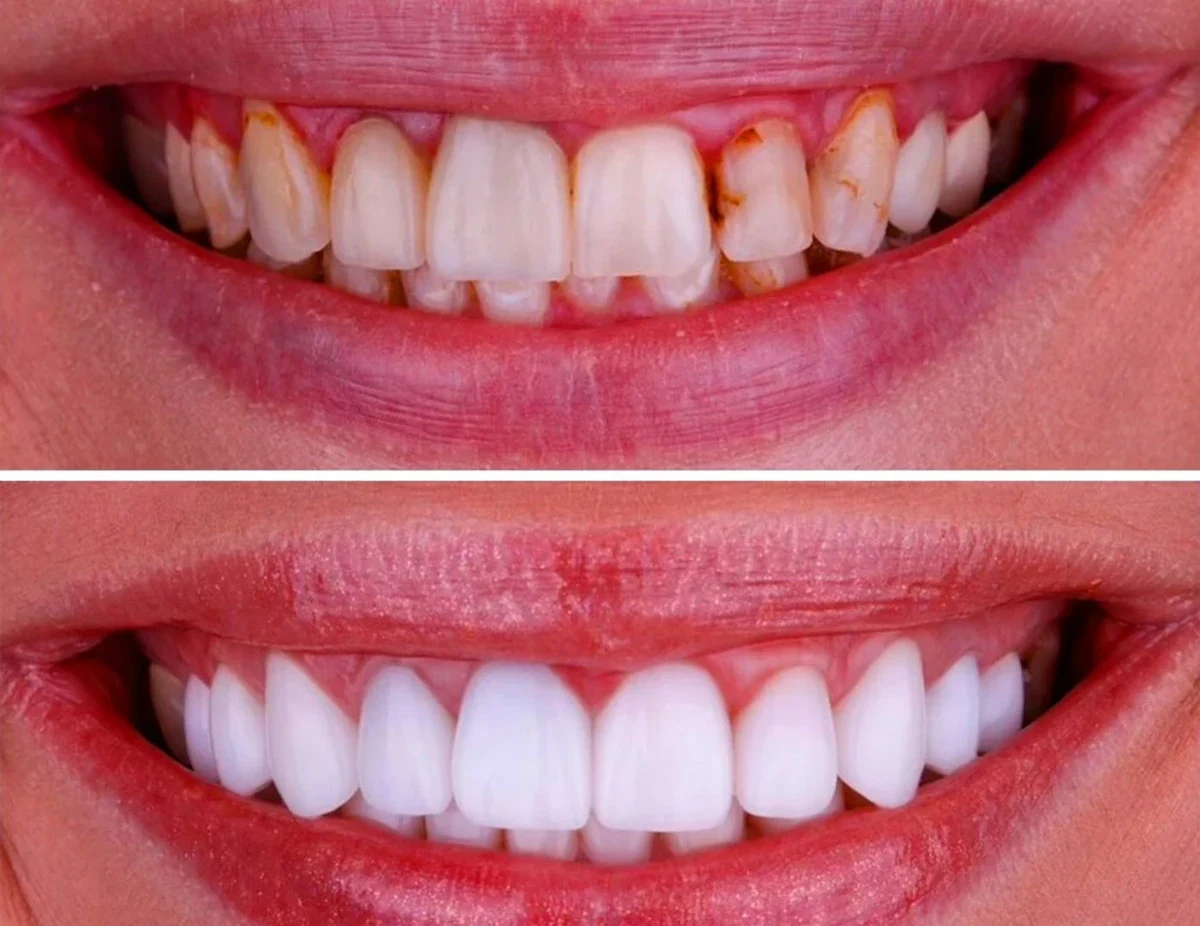
Composite can refine a small difference in edge length, width or shape on suitable healthy teeth. A selected addition may be enough where one incisor is shorter, narrower or more rounded than its neighbour. First establish whether the change would improve the smile in proportion, with a suitable bite and no unnecessary bulk.
Identify where the asymmetry really comes from
Not every uneven smile is a tooth-shape issue. A tooth may be rotated, its gum margin may sit at a different height or the dental midline may be offset from the facial midline. Bonding can change the outline of a crown but does not reposition its root or move the gum. The dentist should assess photographs from the front and at an angle, lip position, tooth width and the way the edges meet during chewing. Where crowding creates the apparent problem, conservative orthodontics may achieve a better foundation than adding resin to hide it. Diagnosis avoids treating the wrong feature.
Use proportions rather than perfect mirror images
Natural right and left teeth need not be identical, and incisors and canines have different shapes and roles. Small changes to the front-to-side transitions and curvature affect perceived width, texture and translucency. Whether you want subtle refinement or a more visible change, the design should remain proportionate rather than force absolute symmetry.
How direct bonding is carried out
After confirming the tooth is suitable, the clinician may isolate the surface, condition enamel and layer composite resin onto selected edges or faces. Colour and translucency may require more than one shade, especially near the incisal edge. The material is shaped to avoid an overhang at the gum and polished to a smooth finish. Resin adds volume; it cannot always make a prominent tooth look narrower without removing some structure. A responsible plan states whether reduction is proposed, why it is necessary and whether a purely additive approach is feasible. The dental team must consider the final contour from several viewpoints.
Check the bite before extending an edge
Even small changes to an incisor can alter contact with the opposing teeth during closure or side movement. Patients who grind their teeth or have pronounced deep bites may need adjustments to the design. A longer edge that looks good in a photograph may carry unfavourable forces when the jaw moves. The clinician should test those relationships and discuss expected maintenance. Composite can chip or stain and may need polishing or repair; its advantage is that small refinements can often be repaired more conservatively than an entire ceramic unit.
When whitening or orthodontics belongs first
Whitening changes natural tooth shade but does not bleach resin, so colour planning is usually easier before new cosmetic bonding. If the teeth are crowded, aligners may bring them into positions requiring less material to achieve symmetry. The dentist should compare those pathways honestly. Sometimes one or two additions are sufficient; sometimes a broader plan yields a less bulky result. A quote should reflect the actual teeth needing treatment, not assume that every visible front tooth must be bonded to make the smile match.
What an excellent consultation produces
The plan should identify the contours to change, any enamel removal, the margin beside the gum and expected maintenance. A small trial or digital design can clarify the shape, with its limits explained. The intended improvement should justify the amount of treatment while preserving sound tooth and comfortable function.
Evidence and further reading
- NHS: dental treatment choices
- Iconic Smiles: composite bonding treatment information (commercial page, not independent clinical evidence)
The practices are in Hatfield and Cheshunt in Hertfordshire, and Friern Barnet in North London. If travelling from Bedfordshire, Buckinghamshire or Essex, use the actual clinic address on your confirmation.
Your next step, when you’re ready
We would be pleased to welcome you for a £30 consultation at your preferred Iconic Smiles practice. Bring your questions, and we can talk through the options that may suit you.
Any additional investigations and their fees will be explained before you decide.