
Bonding, veneers and whitening
Composite bonding to close small triangular gaps
A small dark triangle near the gum can remain even when the teeth touch nearer their edges.
Discover what could suit your smile
Whether you are thinking about colour, shape or a subtle change, a £30 consultation is a welcoming place to share your ideas, ask questions and explore a personalised approach.
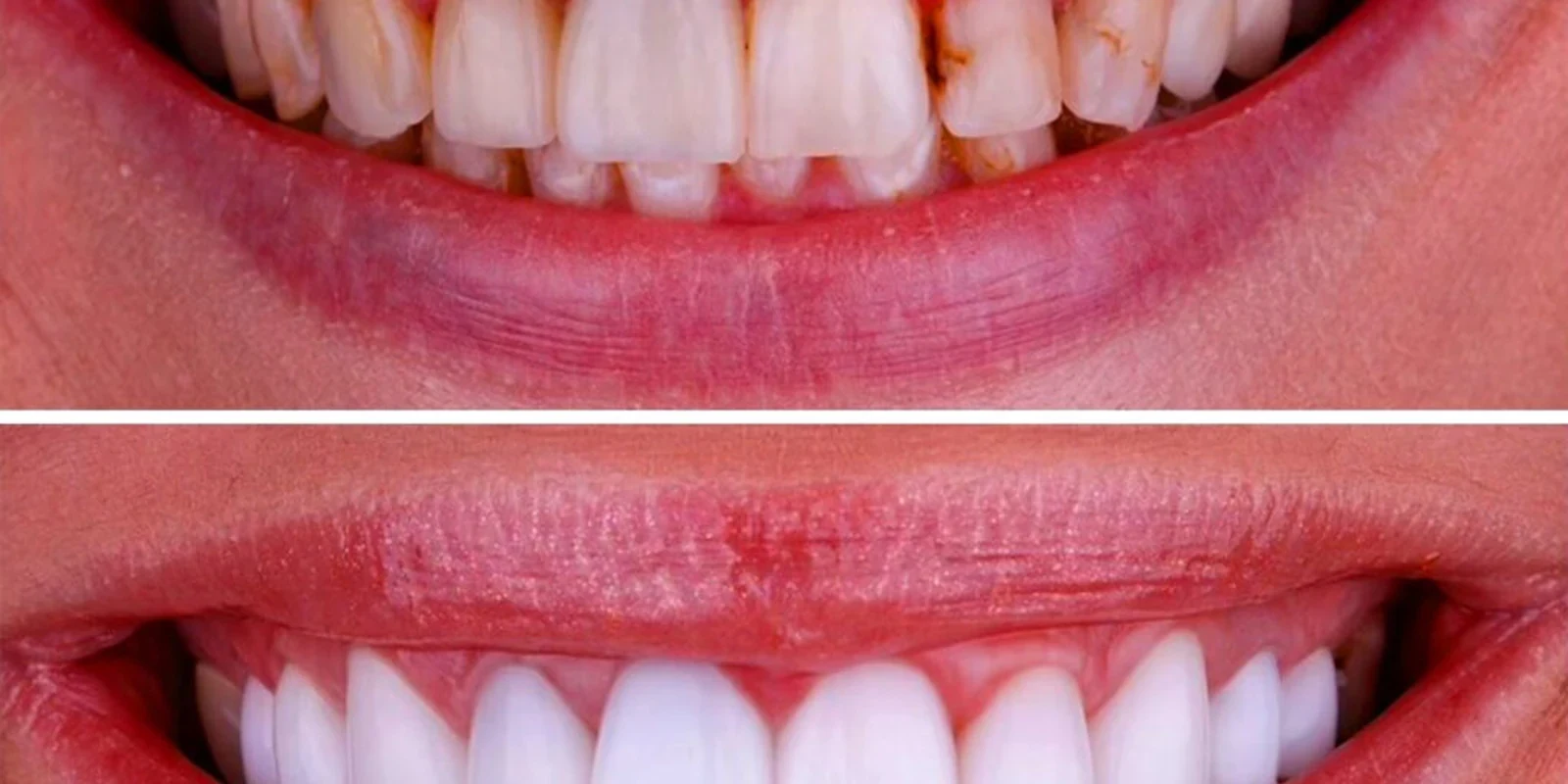
Bonding changes the tooth outline, not the amount of gum
Composite bonding can reduce a small dark triangle between teeth by changing their shape and extending the area where they touch. These gaps sit near the gum, even when the teeth already meet closer to their edges. Bonding fills out the tooth contour; it does not regrow gum or rebuild lost supporting bone. [1]
The gap has to be assessed in context
The dentist will assess the position of the gap, the shape of the teeth, gum health and access for cleaning. Bleeding gums or a changing appearance need assessment before cosmetic closure is planned. The aim is a shape that looks appropriate and can be kept clean, with treatment guided by the cause of the space.
Balance the closed gap against the new tooth shape
Adding material to close a triangle also makes the lower part of the tooth wider. Seeing the intended shape helps you decide whether that change would suit you or make the teeth look too broad. The plan should explain how the contact and contour beside the gum will be finished and how you will clean between the bonded teeth. [1]
Evidence for a technique is not evidence for every gap
One randomised trial compared two composite matrix techniques in 26 people over twelve months, looking at appearance, the edges of the restorations and other outcomes. It did not compare bonding with every orthodontic or gum-treatment option. Its small size and short follow-up leave uncertainty about long-term durability, so a named technique cannot guarantee your individual result. [1]
Agree what would make another option preferable
Discuss observation, restorative reshaping and any appropriate alignment or gum-related options. If the space followed gum disease treatment, the separate guide to black triangles after gum treatment explains why cosmetic closure and disease control are different decisions. Confirm the planned extent of bonding, the expected fee and the review arrangements before proceeding.
Research and guidance
Your next step, when you’re ready
We would be pleased to welcome you for a £30 consultation at your preferred Iconic Smiles practice. Bring your questions, and we can talk through the options that may suit you.
Any additional investigations and their fees will be explained before you decide.