
Bonding, veneers and whitening
Why Composite Bonding Changes Appearance in Different Lighting
A tooth that looks bright and beautifully matched in a dental photograph can look slightly different beside a window, under warm restaurant lights or in a phone flash image.
Discover what could suit your smile
Whether you are thinking about colour, shape or a subtle change, a £30 consultation is a welcoming place to share your ideas, ask questions and explore a personalised approach.
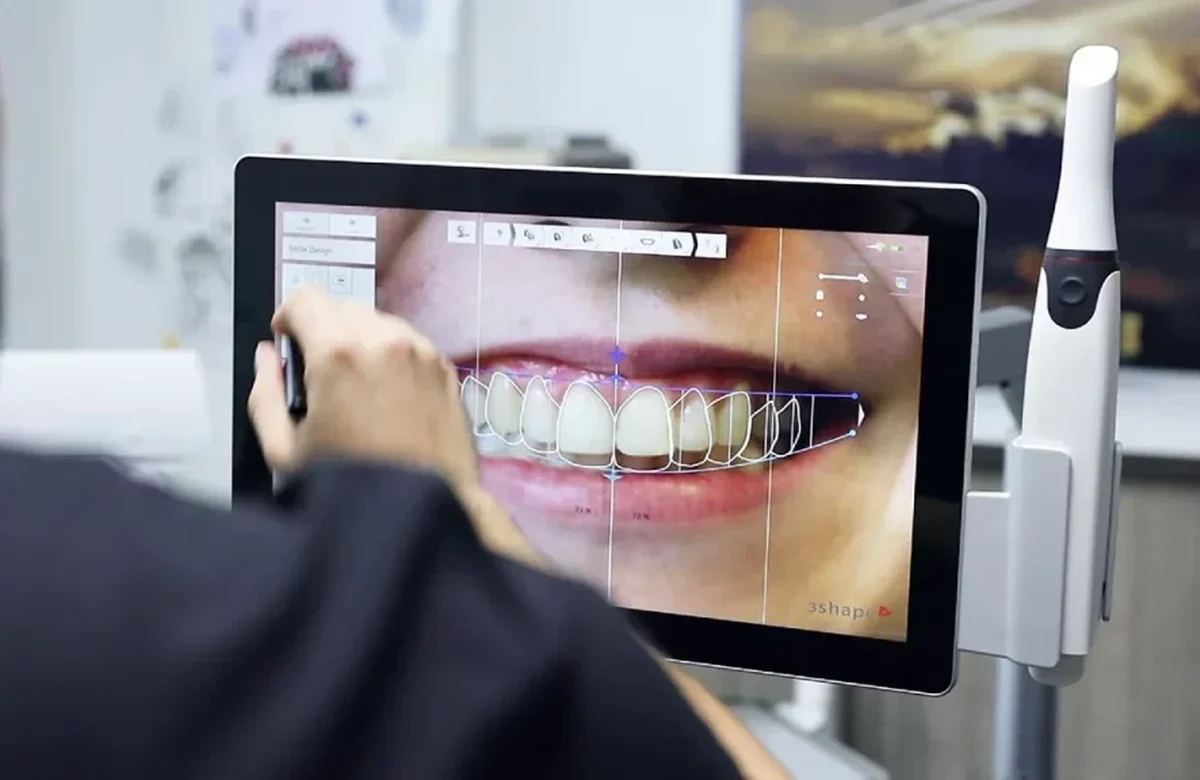
Composite bonding can look slightly different under daylight, warm indoor lighting and a camera flash because resin and natural enamel respond differently to light. A small difference is not necessarily a material defect. Discussing this before treatment helps establish the appearance you want in everyday settings, without assuming one shade code can guarantee a match in every light.
Colour has several dimensions
Dentists assess hue, chroma and value: the colour family, its intensity and how light or dark it looks. A resin may have the right yellow-grey tone yet look too bright beside the natural tooth. Its opacity, translucency and the tooth beneath also affect the result. Matching involves the combined effect of the layers, rather than simply choosing the outer resin.
The underlying tooth changes the effect
A thin layer of translucent composite over dark enamel may appear darker than the same material over an opaque substrate. More masking can improve colour coverage but may make a tooth look flat if overused. When building a chipped edge, the dentist may use different materials for the internal body and the translucent incisal region. A single thick layer is not always the most convincing solution, even if the manufacturer's shade label matches.
Surface texture changes reflections
Microscopic finishing marks and the curvature of the outer surface determine where highlights appear. A smooth, highly reflective composite may look different from the fine natural texture of adjacent teeth. Conversely, a rough surface can scatter light and collect stain, eventually making the shade look duller. Finishing and polishing are therefore part of the aesthetic design, not merely cleaning up excess material at the end of the appointment.
The effect of neighbouring teeth
One bonded tooth is judged against natural enamel that varies through the smile. If whitening is planned, it usually makes sense to establish the preferred natural-tooth shade before permanently matching the composite, because resin restorations do not bleach in the same way as natural teeth. The teeth may also appear temporarily lighter when dried during an appointment. Colour decisions should be revisited after normal hydration when a subtle match is particularly important.
Photographing a smile appropriately
Phone cameras, automatic colour adjustment and flash can exaggerate or hide a shade difference. For demanding matches, standardised photographs and more than one lighting condition help. Cross-polarised photography reduces some surface reflections to show underlying colour more clearly. That can guide the choice of layers, while viewing the smile in ordinary conversation remains useful alongside close-up photographs.
Setting useful expectations
It is reasonable to seek a natural appearance, yet it is unrealistic to expect synthetic resin and living enamel to behave identically under every light source. Ask whether the proposed treatment requires an opaque internal layer, how the surface will be polished, and whether shade adjustments are possible. A clinician who discusses optical limits and conservation offers a more reliable starting point than an advertisement promising a single universally perfect white.
A shade example under different lights
For example, a bonded front edge may appear well matched under the surgery light but slightly greyer outdoors. Translucency, the underlying tooth colour and reflected light could all contribute; a phone photograph cannot establish the cause. Comparing the normally hydrated tooth under controlled lighting can help determine whether a thin masking layer or a change in texture would improve the blend. A small optical difference in an otherwise functional restoration does not automatically require complete replacement. Before treatment, agree whether the aim is a natural match in usual surroundings or an unusually uniform brightness for photographs, which may look less natural in daily life.
Your next step, when you’re ready
We would be pleased to welcome you for a £30 consultation at your preferred Iconic Smiles practice. Bring your questions, and we can talk through the options that may suit you.
Any additional investigations and their fees will be explained before you decide.