
Bonding, veneers and whitening
Composite Bonding for Small Teeth: How to Design Natural Proportions
When you have smaller teeth, a subtle change in shape can make a lovely difference. See how proportions, your bite and the whole smile are considered.
Discover what could suit your smile
Whether you are thinking about colour, shape or a subtle change, a £30 consultation is a welcoming place to share your ideas, ask questions and explore a personalised approach.
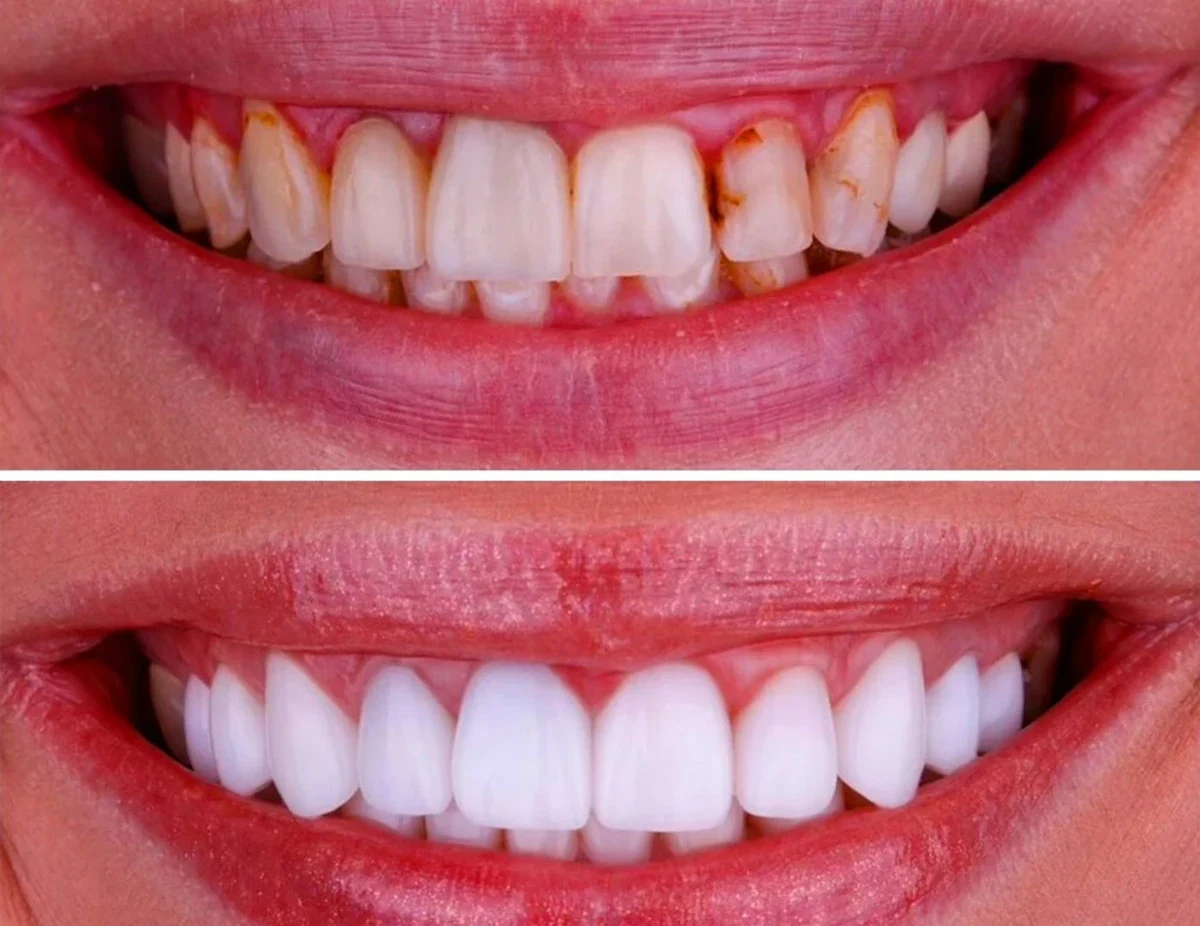
Composite bonding can add width or length to selected small front teeth with relatively little change to existing enamel. Small teeth may be healthy, naturally narrow, affected by gum proportions or worn at the edges. The plan needs to establish why they look small and add only the shape that creates a balanced, cleanable result, without unnecessary bulk or uniformity.
Identify which dimension actually looks too small
A tooth can seem narrow because it is rotated, because there is excess space beside it, or because the adjacent teeth are unusually broad. A short-looking tooth might reflect wear at the edge, an uneven gum margin or its position in the arch. Each cause leads to a different plan. The dentist should examine frontal photographs, the teeth at rest and the smile during speech, rather than assuming that adding the same thickness of resin to every tooth will help. A digital scan can measure spaces, but the patient's facial proportions and preferences still guide what looks natural.
Composite is particularly useful for additive changes
Where there is sufficient enamel and a stable bite, resin can be bonded to a smaller incisor to build up its visible outline. Adhesive dentistry often allows a conservative, additive approach rather than cutting the tooth back to fit a laboratory-made shell. The dentist may still need to adjust a small amount of enamel or an old filling, and any adhesive restoration can stain, wear or chip over time. The meaningful comparison with porcelain is not just price: it includes how much intact tooth is preserved, how the material reflects light and what future repairs are likely to involve.
A slender tooth should not simply become a rectangle
The rounded transitions between a tooth's front and sides affect how wide it appears. Small changes near a corner or along the biting edge can alter that impression without adding equal thickness everywhere. Some natural asymmetry may suit the smile. Texture and edge translucency matter alongside shade, because the same resin colour can look different when its shape reflects light differently.
Check whether orthodontics would solve part of the problem
If there are significant spaces or rotations, aligners or fixed braces may reposition the teeth before bonding. This can reduce the amount of resin needed and improve symmetry between the left and right sides. In a case with a missing or peg-shaped lateral incisor, orthodontic space management may be particularly important; placing composite before deciding the final tooth positions can leave one restoration too broad. In other cases, a small additive repair alone will be sufficient. The treatment plan should explain why moving teeth is or is not necessary rather than presenting aligners as an obligatory extra.
The bite decides how much length can safely be added
Lengthening the biting edge can change where upper and lower teeth contact. The dentist should inspect the overbite, sliding movements and any existing wear or chipping. In some bites a longer composite edge would repeatedly meet the opposing teeth, making fracture more likely. A modest increase in visible length may be safer than a dramatic change, while other patients may benefit from bite correction first. Any mock-up should be assessed with the mouth closing and moving, not only in a posed smile. Patients who grind their teeth should discuss how the restoration would be protected.
Agree the sequence and future care
If you want whitening, plan it before the final resin shade and allow colour to settle as advised. The proposal should identify teeth and surfaces to be treated and how enamel will be preserved. Polishing and daily care help appearance, with repairs or refinement still possible later. The quotation should distinguish small contour additions from bonding over a whole visible surface.
References and further reading
Book an assessment
The practices are in Hatfield and Cheshunt in Hertfordshire, and Friern Barnet in North London. For travel from Bedfordshire, Buckinghamshire or Essex, confirm the actual practice and any sites involved in later stages.
Editorially updated: 27 October 2026.
Further questions to consider before treatment
- For small-looking front teeth, compare bonding and veneers with any role for tooth movement in improving their proportions.
Your next step, when you’re ready
We would be pleased to welcome you for a £30 consultation at your preferred Iconic Smiles practice. Bring your questions, and we can talk through the options that may suit you.
Any additional investigations and their fees will be explained before you decide.