
Bonding, veneers and whitening
Small Lateral Incisors: Building Natural Proportions With Composite
Some adults have upper lateral incisors that are noticeably smaller than the central incisors and canines beside them.
Discover what could suit your smile
Whether you are thinking about colour, shape or a subtle change, a £30 consultation is a welcoming place to share your ideas, ask questions and explore a personalised approach.
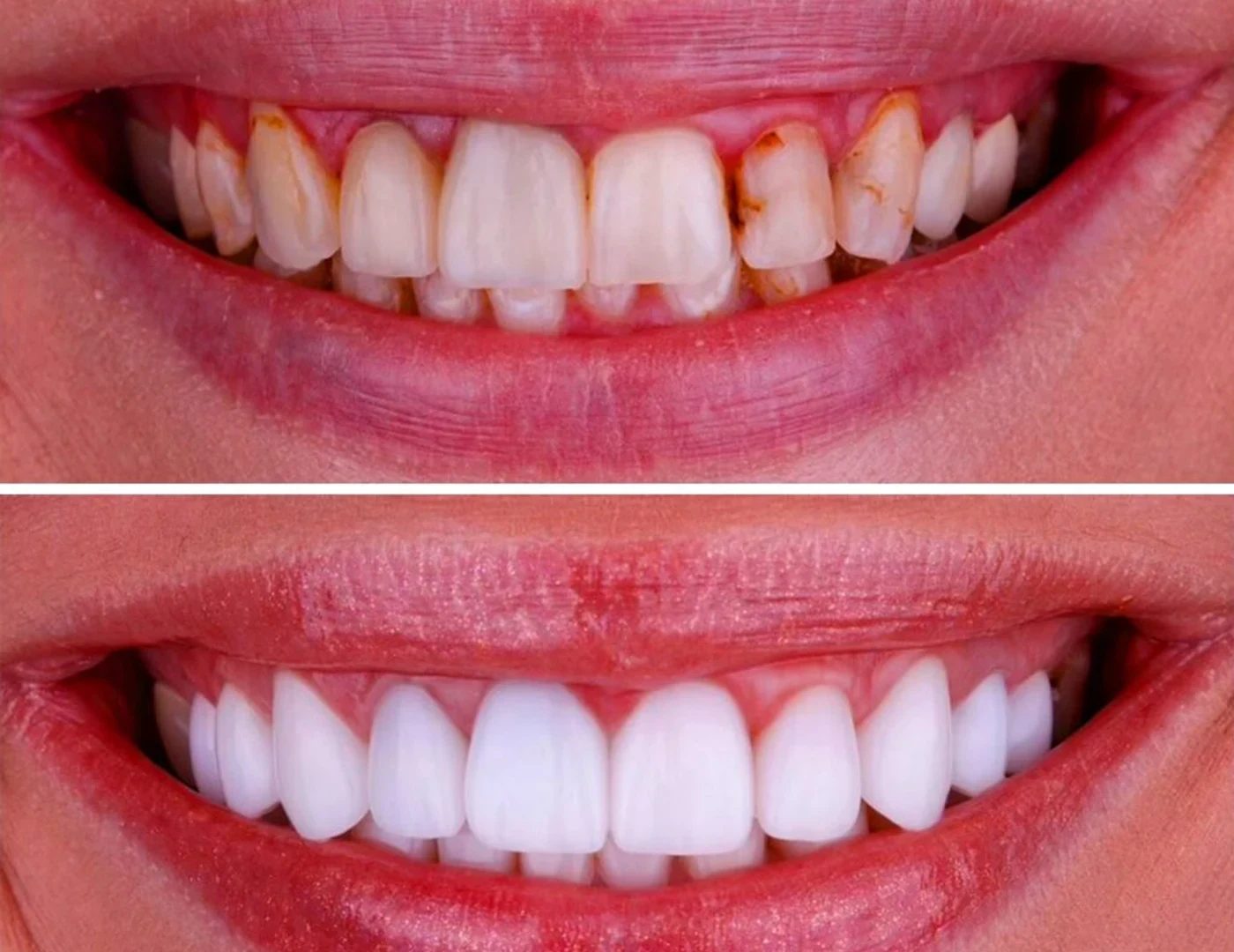
Composite can sometimes build up small upper lateral incisors conservatively when the teeth are healthy. These teeth sit between the central front teeth and canines, and may be short, narrow or tapered. The plan needs to establish their intended width, length and position so the additions improve proportion, close appropriate spaces and work in the bite without automatically requiring veneers.
Measure the available space
A small lateral incisor may sit in an appropriately sized gap, or the entire spacing pattern may have changed because neighbouring teeth have moved. The dentist assesses the dental midline, contacts, canine position and relative crown proportions. Widening one tooth without reviewing the whole arch can create a boxy result. A diagnostic simulation can help identify whether resin alone will achieve a pleasing balance or whether orthodontic alignment should precede bonding.
When orthodontics helps first
If the lateral incisor is rotated, crowded or positioned too far towards the palate, adding composite may increase bulk without correcting the underlying alignment. Aligners or fixed braces can create a better tooth position and distribute space more evenly. The orthodontist and restorative dentist should agree on the intended final width before movement begins. Otherwise, aligners may close precisely the space required for a natural-looking bonded tooth.
Layering for natural appearance
Different resin shades and opacities can reproduce an internal body with more translucent detail at the edge. Surface angles and subtle contours help each lateral incisor sit naturally beside the central tooth and canine. Using the same opaque shade and dimensions for every front tooth would lose these individual proportions.
Preservation and reversibility in context
Bonding may require little or no traditional preparation on sound enamel, although the tooth still needs an appropriately cleaned and conditioned bonding surface. The extent to which material can be removed without changing enamel varies, so treatment should not be advertised as universally reversible. In selected cases, a porcelain veneer offers different colour stability and material characteristics, but it may require a greater commitment to preparation and future replacement.
Contact points and gum triangles
Small teeth can leave open triangles near the gum where the roots are spaced apart or the gingival papilla does not fill the contact. Adding resin to the sides can improve the appearance of some spaces, but overbulking may obstruct flossing. The dentist should test interdental cleaning and the way the new contact relates to the gum. A dark triangle is not always eliminated simply by making the crown wider.
Caring for the new contours
Composite edges can stain, chip or need resurfacing over time. Patients should understand how polishing and simple repair may be carried out, and which habits place load on the new contours. Ask to see the proposed tooth width, whether orthodontics is beneficial and what a conservative no-treatment option would look like. A well-proportioned pair of lateral incisors should complement the existing smile rather than advertise that a cosmetic procedure has been performed.
How orthodontic space changes the bonding design
For example, two small lateral incisors may appear to have matching gaps, yet a canine that has drifted forwards can leave one with less usable space. Adding resin immediately could produce visibly unequal widths. A limited orthodontic stage might redistribute the space and allow smaller, better-proportioned additions. A preview should show each lateral in relation to the central incisor and canine, with contacts that avoid excess bulk near the gum. Where enamel and the bite are healthy, composite may address the small developmental variation without extensive tooth coverage.
Your next step, when you’re ready
We would be pleased to welcome you for a £30 consultation at your preferred Iconic Smiles practice. Bring your questions, and we can talk through the options that may suit you.
Any additional investigations and their fees will be explained before you decide.