
Repairing your teeth
Checking your bite before composite bonding
Adding composite alters tooth shape and may alter the surfaces involved when teeth meet.
Talk through your options for repairing teeth
If you would like to understand how a tooth might be repaired or protected, a £30 consultation offers time to discuss your concerns and what an individual assessment may involve.
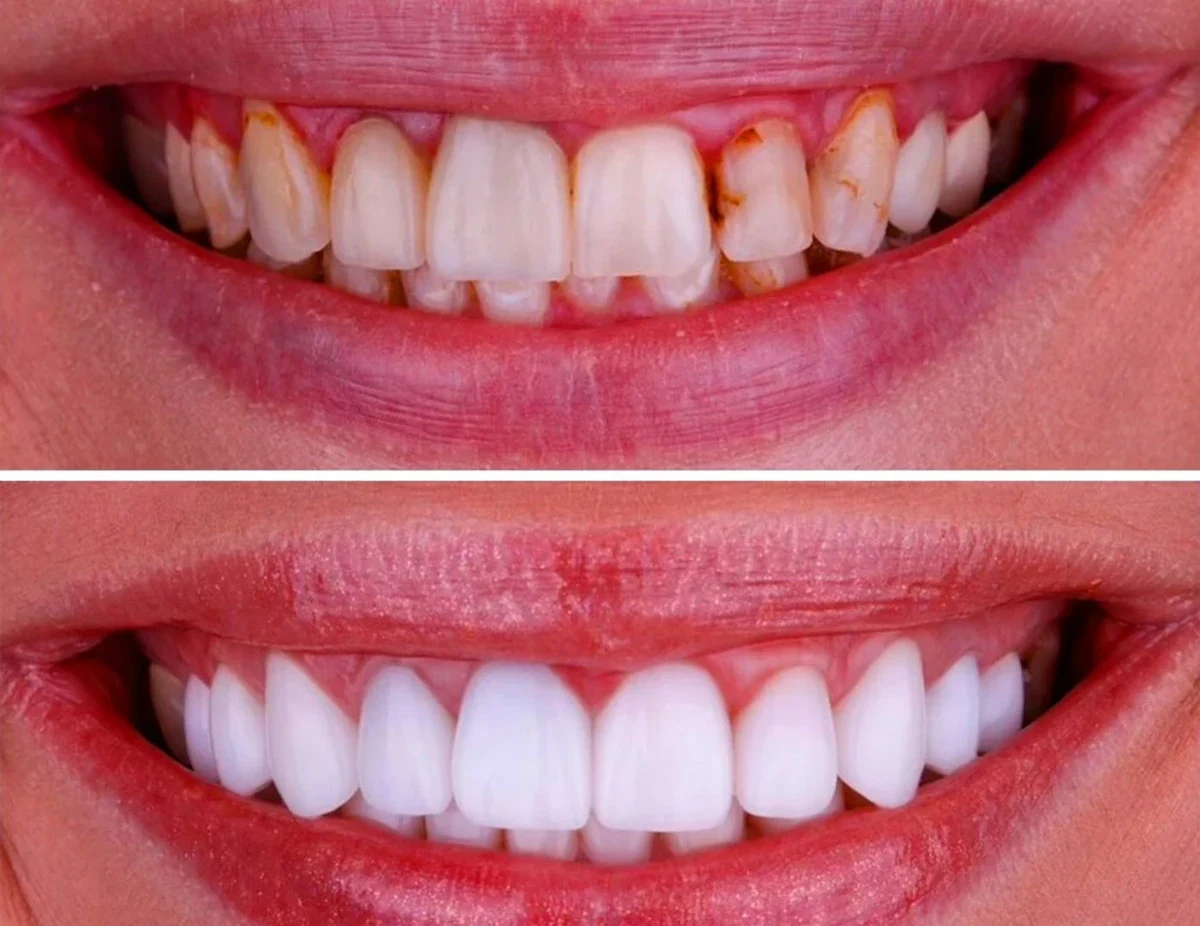
“Additive” still changes the surfaces that meet
Your bite needs checking before composite bonding because adding resin changes tooth shape and can change how the teeth meet. This matters particularly when length is being added to an edge. The dentist will consider whether existing contacts should stay the same or change deliberately; a preview of the smile alone cannot establish how the new shape will function.
What the assessment should explain to you
A useful assessment connects the findings with the proposed design: where resin would be added, how the teeth would meet and any intended change in function. Mention pain, previous fractures and how existing restorations have behaved. If a more extensive plan is recommended, you should understand which findings justify it and what alternatives were considered.
Tooth wear adds a cause-control question
When tooth wear is present, the assessment considers both chemical and mechanical causes. Preventive advice and restoration then need to work together: resin can rebuild a shape while an untreated cause continues to wear it. The plan should explain how further wear will be monitored and which preventive steps suit the findings. [1]
A deliberate bite change needs explicit consent and monitoring
Some studies of localised anterior wear use a Dahl approach as part of treatment. The review found substantial variation across studies and emphasised later monitoring and maintenance. That evidence should not be turned into a routine instruction to alter every patient's bite. Ask what adaptation is expected, how it will be checked and what would happen if the planned response does not occur. [2]
Keep appearance, structural care and pain outcomes distinct
Improving appearance or rebuilding a tooth does not automatically treat coexisting jaw pain. If pain relief is also an aim, the clinician should explain the diagnosis and evidence supporting that recommendation. Guidance on chronic temporomandibular disorder, or TMD, concerns pain lasting at least three months and has its own treatment recommendations. It does not show that changing tooth contacts cures all jaw pain. [3]
Research and guidance
Your next step, when you’re ready
We would be pleased to welcome you for a £30 consultation at your preferred Iconic Smiles practice. Bring your questions, and we can talk through the options that may suit you.
Any additional investigations and their fees will be explained before you decide.