
Bonding, veneers and whitening
Composite edge bonding versus full-surface bonding
Would a little work at the edge of a tooth be enough, or is a more extensive change worth considering? Explore how the approaches differ.
Discover what could suit your smile
Whether you are thinking about colour, shape or a subtle change, a £30 consultation is a welcoming place to share your ideas, ask questions and explore a personalised approach.
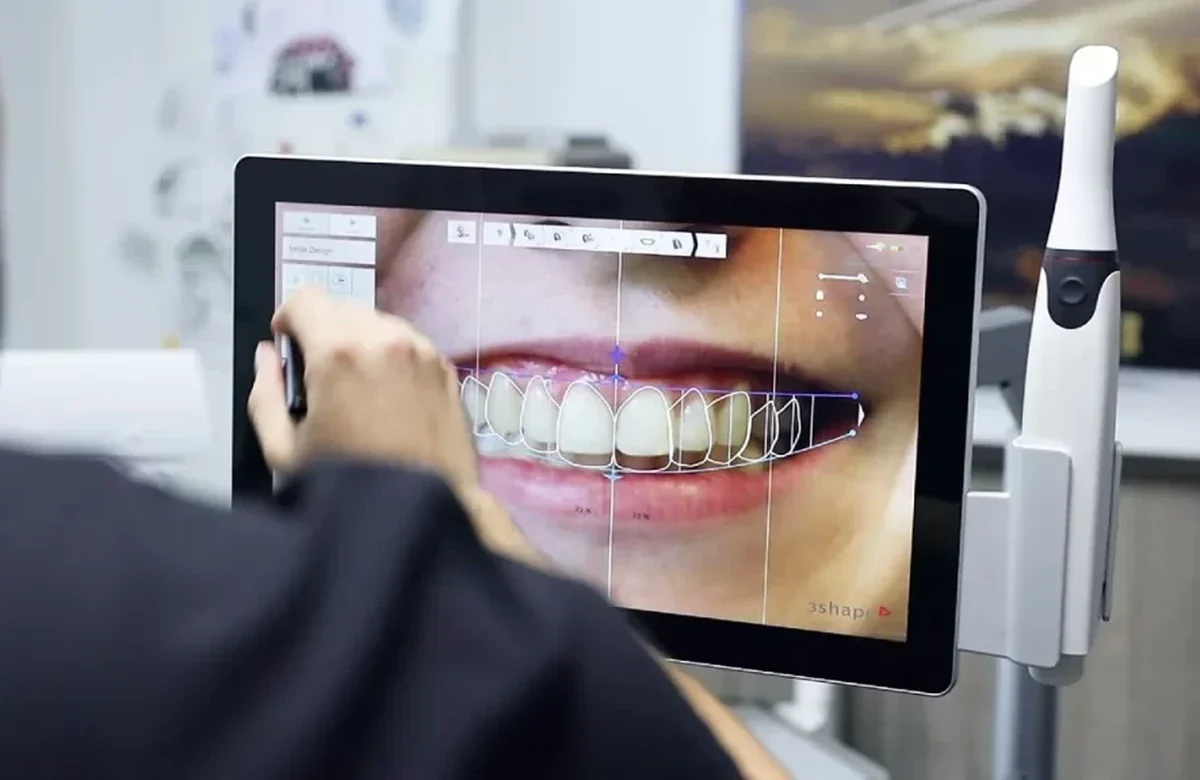
The difference is how much of the tooth is being changed
Edge bonding adds tooth-coloured resin to a chosen edge or corner. Full-surface bonding covers the visible front of a tooth and is often called a direct composite veneer. The choice depends on how much shape or appearance needs to change. Covering more of a healthy tooth is useful only if that extra coverage serves a clear purpose. [1]
Match the treatment area to the concern
A small chip may need only a local repair if the rest of the tooth's colour and shape suit you. A wider change in colour or shape may call for a different design. Before treatment, the dentist can show you where resin would be added and explain whether any tooth tissue would need to be removed. The word 'bonding' covers treatments with different amounts of preparation.
Colour and shape can pull the plan in different directions
Adding resin affects the tooth's outline as well as its colour. Laboratory research shows that the material and the way it is layered influence colour and translucency, but cannot tell us the best thickness for your tooth. A preview can help you judge the intended shape and appearance, alongside choosing a shade. [2]
Compare maintenance as well as the initial result
Front-tooth composite may need attention because it fractures or its appearance changes. Even a restoration that remains in place can need polishing or repair. Before choosing it, understand which areas could be repaired and when replacing more material might be necessary. Research supports repair for selected defects, although the evidence comparing repair with replacement remains uncertain. [1][3]
A practical way to compare the quotations
Compare the number of teeth, the exact areas treated, any planned preparation, the agreed shade, the fee and the review arrangements. Consider composite bonding versus porcelain veneers only where both are clinically reasonable options. If a smaller intervention meets your aim, ask why full coverage would offer enough additional benefit to justify its extent.
Research and guidance
Your next step, when you’re ready
We would be pleased to welcome you for a £30 consultation at your preferred Iconic Smiles practice. Bring your questions, and we can talk through the options that may suit you.
Any additional investigations and their fees will be explained before you decide.