
Bonding, veneers and whitening
Composite bonding when teeth meet edge-to-edge
If the upper and lower front teeth meet at their edges, adding length changes a surface that already meets an opposing tooth.
Discover what could suit your smile
Whether you are thinking about colour, shape or a subtle change, a £30 consultation is a welcoming place to share your ideas, ask questions and explore a personalised approach.
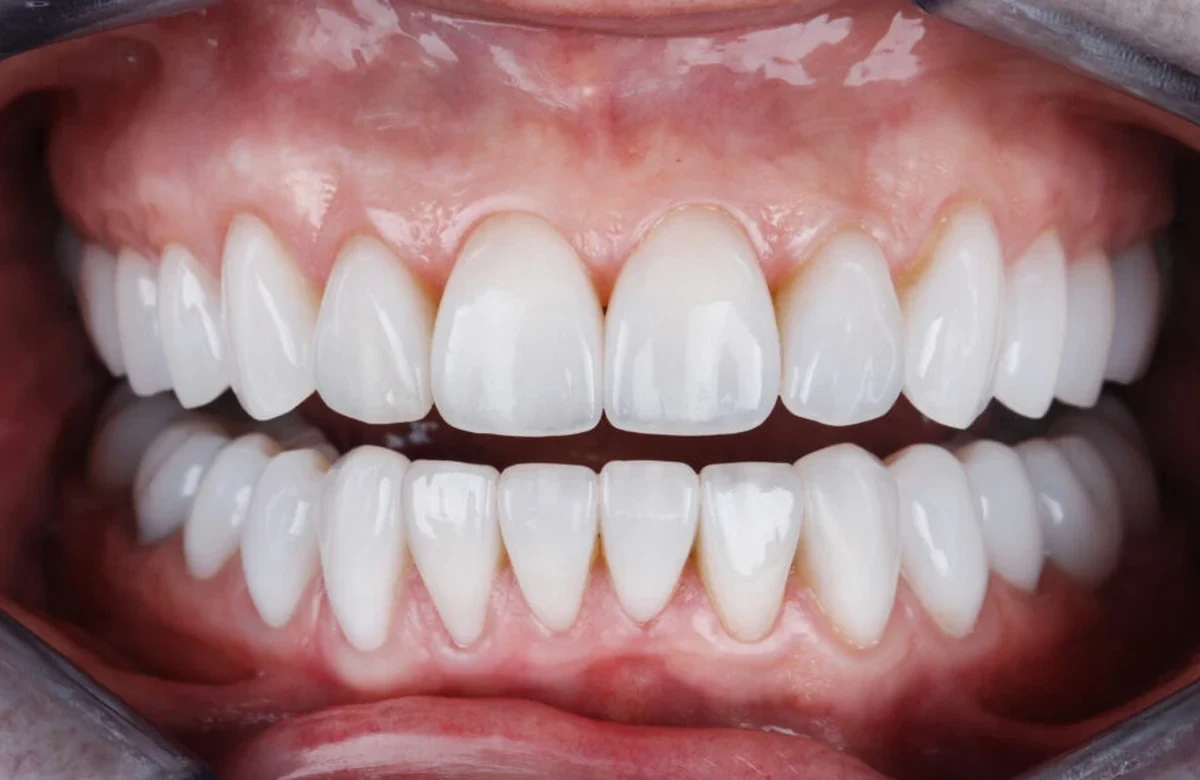
The available space matters before length is added
An edge-to-edge bite does not automatically rule composite bonding in or out. It means the upper and lower front teeth already meet at their edges, so adding length changes an area that contacts an opposing tooth. The dentist needs to assess the proposed shape with your teeth together and functioning, as well as how it looks with your mouth open.
Define whether the concern is wear, position or shape
A front tooth can look short because of its position, lost tooth tissue or both. Tooth-wear guidance considers chemical and mechanical causes, which can act together. If wear is continuing, prevention needs to sit alongside any restoration. Lengthening an edge alone does not address why it wore down. [1]
Ask how the proposed addition will function
The plan should show where resin would be added, whether the contacts between your teeth would change and what a local addition could achieve. Orthodontics or a change to the wider bite would broaden the treatment, so these need explanation before you consent. Removing enamel to make room also has different consequences from adding resin without reducing the tooth.
Do not generalise a selected wear technique to every case
A review of composite for wear affecting the front teeth included studies using the Dahl approach, where tooth contacts are deliberately changed as part of treatment. The studies varied considerably, so they do not show that this approach suits every edge-to-edge bite. If it is proposed, you should understand why it fits your findings, the follow-up needed and the alternatives if the planned response does not occur. [2]
Compare maintenance and the reasonable alternatives
Ask whether observation, local restoration, alignment or another clinically appropriate option would best address your goal. Composite wear treatment can require later monitoring and repairs. A predicted edge length on a preview is therefore only part of the decision; you also need to understand the expected function, maintenance and consequences if the edge fractures again. [2]
Research and guidance
Your next step, when you’re ready
We would be pleased to welcome you for a £30 consultation at your preferred Iconic Smiles practice. Bring your questions, and we can talk through the options that may suit you.
Any additional investigations and their fees will be explained before you decide.