
Bonding, veneers and whitening
Your first porcelain veneer consultation: what should be decided before a tooth is prepared?
A good veneer consultation should leave you understanding what will change, how much enamel might be removed and which more conservative options deserve consideration first
Discover what could suit your smile
Whether you are thinking about colour, shape or a subtle change, a £30 consultation is a welcoming place to share your ideas, ask questions and explore a personalised approach.
Please confirm the £30 planned-treatment consultation fee when booking. Scans, additional investigations and emergency assessments may have separate fees.
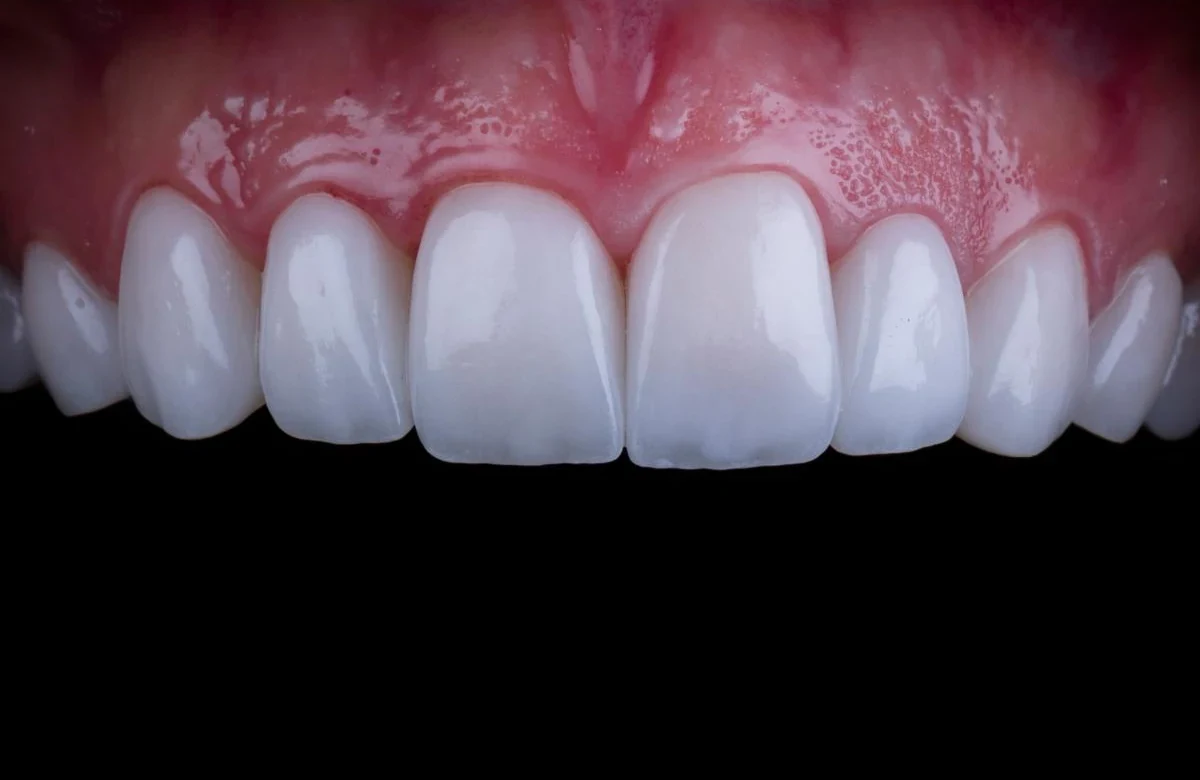
The short answer: A good veneer consultation should leave you understanding what will change, how much enamel might be removed and which more conservative options deserve consideration first.
Perhaps you know exactly what bothers you about your smile. One front tooth seems too short in photographs, the edges have worn unevenly, or the colour never looks quite how you would like. Or perhaps you simply know that you want your teeth to look a little more balanced, without looking as though you have had them changed.
A veneer consultation is the time to put those thoughts into words. You should not need to arrive knowing how many veneers you want, which shade to choose or whether porcelain is the right treatment. In fact, one of the most valuable things a thoughtful dentist can tell you is that your teeth may not need veneers at all.
The purpose of a good consultation is to decide what you want to improve, whether a veneer is a sensible way to achieve it, and what would have to happen to your natural tooth to make that result possible. The irreversible parts of treatment deserve particular attention before anything is prepared.
Start by describing your own smile, not somebody else's
You might have saved a photograph because you like its overall look. That can be useful, but it is worth saying what appeals to you: the softer tooth edges, the way the smile follows the lower lip, the colour or the feeling that the teeth are consistent without being identical.
A photograph cannot tell your dentist whether the same result would suit your face, gums and bite. Nor does it show how the teeth look while speaking or laughing. Your clinician may take photographs and ask you to smile naturally, show your teeth at rest and explain any details you would rather keep. Some patients love a small, individual difference between their front teeth. Others want a slightly more symmetrical look.
There should be room to say, 'I want a change, but I don't want people to notice the dentistry.' That is a perfectly reasonable starting point.
What will the dentist examine before recommending veneers?
A veneer is bonded to a natural tooth and has to function in a real mouth. Your dentist should look beyond its front surface. They will consider the amount and condition of enamel, any previous fillings, cracks or wear, the gumline and how your teeth meet when you bite and move your jaw.
Active decay, unstable gum disease or significant tooth wear may need attention first. If teeth are crowded, rotated or protrusive, using veneers alone to disguise their position may require removing more healthy tooth than you would like. Orthodontic treatment, perhaps followed by small amounts of bonding, can sometimes achieve your aim more conservatively.
An existing crown is another important detail. A crown and a veneer cannot be planned as though they were identical surfaces: the materials, underlying tooth colour and light reflection may differ. If one front tooth has already been restored, ask whether it can be kept, refinished or included in the wider aesthetic plan.
You should understand which findings are straightforward and which need X-rays, scans or another clinician's opinion before a firm plan is possible. Not every patient requires every investigation.
Do you need four, six or eight veneers?
It is tempting to choose a number before the assessment because you have seen a package advertised. A more useful question is which teeth actually need changing to produce a consistent result in your natural smile.
If you show only the upper front four teeth prominently, a smaller number may be enough. If your smile reveals the canines or premolars, the transition to untouched teeth matters. But there is no rule that a broad smile requires eight veneers. Sometimes the best approach is a combination of whitening, alignment and a few carefully chosen restorations.
Lower teeth deserve a look as well. If the upper teeth become noticeably lighter but the lower teeth are a different shade, would that bother you? Some people are quite happy with the natural difference; others prefer to whiten their own teeth first. Your dentist should help you explore that before committing to permanent restorations.
Treating fewer teeth is not automatically the most conservative plan if it forces an artificial shape onto each treated tooth. Equally, adding unnecessary veneers does not make a smile more beautiful. The decision should be explained tooth by tooth.
How much healthy enamel would need to be removed?
This is one of the most important questions you can ask. Some veneers can be made with very little preparation, and selected cases may be suitable for an additive or minimal-preparation approach. Others need a greater reduction to accommodate porcelain without making the teeth bulky. The answer depends on the starting tooth position, colour, intended change and material.
A dentist should explain where preparation is proposed, why it is necessary and whether the design can largely remain in enamel. Once healthy enamel has been removed, it does not grow back. Veneers will also need maintenance and, in time, may need replacement. 'Minimal preparation' should not be taken to mean that treatment is reversible or carries no long-term commitment.
If keeping your natural enamel matters more to you than achieving a particular shape or shade, tell your dentist. A different plan — perhaps whitening and composite bonding, or orthodontics first — may better reflect your priorities.
Can you see what the finished shape might look like?
Where appropriate, your dentist may use photographs, digital planning, a model, or a trial smile design to help explain the proposed proportions. These are communication tools, not guarantees. A digital preview can be very persuasive on a screen, but the final appearance also depends on the gums, underlying tooth colour, laboratory work, material thickness and how the veneers sit in your mouth.
Look carefully at details that are easy to overlook: Are the two central teeth slightly longer than their neighbours? Do the edges look soft or very straight? Will there be room to clean between the teeth? Does the proposed smile look comfortable when you speak rather than just when you hold a wide grin?
It is sensible to say when something feels too white, too uniform or simply unlike you. It is much easier to refine the intended design before permanent work begins.
Should you whiten or straighten first?
Often it is worth thinking about these options in that order: health, position, then colour and final shape. That is a planning sequence, not a requirement for everyone.
Professional whitening, if appropriate, may help you choose a more natural-looking veneer shade without covering extra teeth simply to change their colour. Porcelain does not whiten after it has been made, and neither do existing crowns or fillings. Your clinician should leave appropriate time for any whitening result to settle before final colour matching.
If the teeth are noticeably rotated or crowded, gentle alignment may reduce the amount of preparation needed for veneers. That may extend the overall treatment, so it is worth discussing the trade-off between time and preservation of enamel.
A good dentist will not use a veneer to solve every cosmetic concern by default. Sometimes the combination that initially sounds more complicated is the gentler one in the long term.
What should a written veneer treatment plan include?
Before agreeing to treatment, ask for a plan you can take away and consider. It should make clear:
- Which teeth are proposed for veneers, and why those particular teeth have been chosen.
- Whether any existing restorations, gum problems or bite concerns need addressing first.
- What preparation, if any, is expected on each tooth and which alternative approaches were considered.
- How the shade, shape and position will be agreed, and whether a trial design is included.
- The likely stages and whether temporary veneers may be needed.
- What the final fee includes, what could cost extra and how unexpected changes would be handled.
- The material being proposed, the relevant risks, maintenance expectations and arrangements if a veneer chips, debonds or needs replacing.
Ask how consent is handled if the plan changes after the teeth have been prepared. You should not discover significant additional treatment or fees at the point when returning to untreated teeth is no longer possible.
What risks should you understand?
Veneers can produce attractive, durable results in suitable cases, but they are not guaranteed or maintenance-free. Depending on the preparation and individual tooth, treatment may increase sensitivity. Veneers can chip, fracture, detach, wear or eventually need replacement. The gumline may change over time, and the underlying tooth remains vulnerable to decay if cleaning is poor.
Grinding, heavy bite forces, certain habits and the condition of the teeth can affect suitability and longevity. If a protective night guard is recommended, discuss whether it is included in the fee. The clinician should also explain what might happen if a veneer fails and how much natural tooth would remain available for future treatment.
No dentist can responsibly promise that porcelain will last for a particular number of years for every patient. A realistic discussion of maintenance is a sign of careful planning, not a reason to feel discouraged.
What will veneers cost at Iconic Smiles?
Iconic Smiles publishes crowns and veneers from £650 per tooth. That is a starting fee, not a bespoke quotation or a promise that each veneer in a multi-tooth treatment will cost the same. The complexity of the design, existing teeth and any preparatory treatment may alter the total.
For illustration, four veneers at the published starting rate would total from £2,600, six from £3,900, and eight from £5,200. Those examples should not be treated as package prices or as including everything needed for an individual smile. If whitening, hygiene treatment, further records, temporaries or protection for grinding is advised, ask what is included and what is separate.
You may also want to budget for future maintenance and replacement, rather than thinking of the initial quotation as a once-in-a-lifetime expense.
What happens if you decide not to go ahead?
You should be able to leave a consultation with photographs, an explanation of the realistic options and time to think. If your dentist recommends doing less than you expected, ask why. If you want a second opinion before preparing healthy teeth, that is a reasonable choice.
At Iconic Smiles, a £30 planned-treatment consultation is advertised as a first opportunity to discuss your smile. Confirm the appointment fee and whether any additional investigations would cost extra. You do not need to promise to proceed with veneers in order to have a useful conversation.
Questions patients often ask
Can porcelain veneers be fitted without drilling? Sometimes very little preparation is possible, but suitability depends on the starting teeth and desired change. No-preparation treatment is not automatically reversible.
Can I approve the shape before treatment? A planning preview or trial design may be possible. Ask what will be provided and how final changes are agreed.
Should veneers be very white to look good? Not necessarily. A natural result often depends more on balanced shape, surface texture and appropriate translucency than on choosing the lightest shade.
What if I only want one veneer? One may be suitable, but matching a single front tooth to its neighbour can be demanding. Your dentist should explain what can realistically be matched.
Is a veneer the same as a crown? No. A veneer usually covers primarily the visible face of a tooth; a crown covers much more of it. The remaining tooth structure and clinical need help determine which, if either, is appropriate.
Make the consultation about your own teeth
Bring photographs that show what you like, but be open to a smaller treatment plan. Explore veneers and view documented smile results to help you develop questions for your consultation.
Independent patient information: NHS: dental veneer treatment basics · British Orthodontic Society: orthodontics before irreversible restorations. These explain general clinical considerations; a personal recommendation requires assessment.
Your next step, when you’re ready
We would be pleased to welcome you for a £30 consultation at your preferred Iconic Smiles practice. Bring your questions, and we can talk through the options that may suit you.
Please confirm the £30 planned-treatment consultation fee when booking. Scans, additional investigations and emergency assessments may have separate fees.