
Bonding, veneers and whitening
Porcelain veneers for Ware patients: planning visits and follow-up
Explore porcelain veneers from Ware, including design discussions, preparation, clinic visits and the follow-up questions to ask before committing.
Discover what could suit your smile
Whether you are thinking about colour, shape or a subtle change, a £30 consultation is a welcoming place to share your ideas, ask questions and explore a personalised approach.
£30 for a planned-treatment consultation. Scans, additional investigations and emergency assessments may have separate fees; please confirm when booking.
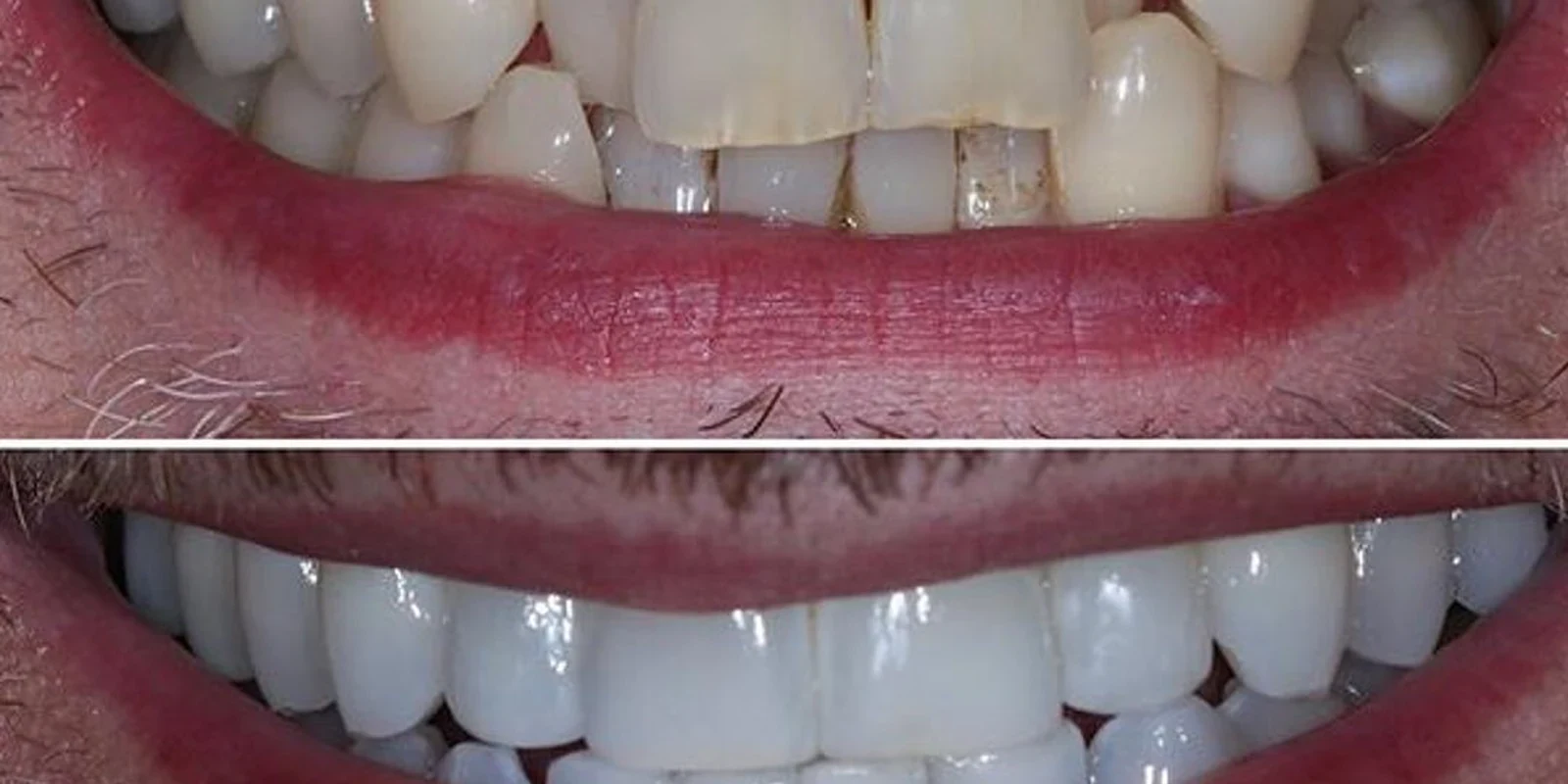
If you live in Ware and are considering porcelain veneers, it is easy to focus on the image of the finished smile and overlook the practical work that makes the result feel natural. A veneer is a thin facing that changes the visible surface of a tooth, but your dentist also needs to consider how the tooth meets its opposite number, whether it has enough healthy enamel, how the gums will respond and what you will need to do to maintain the restoration.
Choosing a practice beyond your immediate town can be perfectly sensible, particularly when you value the clinician's approach to cosmetic planning. It does, however, mean thinking about appointments and aftercare as carefully as shade and shape. Patients from Ware may wish to explore the Iconic Smiles Cheshunt practice, subject to confirmation that the relevant cosmetic clinician and appointments are available there. The purpose of this guide is to help you decide whether veneers are right for your teeth and whether the proposed care pathway is realistic.
Begin with what you want to change, not the number of veneers
Some people want a slightly softer tooth edge, while others dislike the appearance of several front teeth together. These are different problems and do not demand the same solution. A single veneer might blend a discoloured tooth, but an extensive set of restorations creates more maintenance and involves more teeth. Before anyone suggests four, six or eight veneers, the dentist should establish what actually troubles you when you smile, talk and see yourself from different angles.
Bring photographs you genuinely like, but do not expect another person's teeth to be reproduced exactly. Tooth proportions, facial structure, gum levels and the way your lips move differ. A useful discussion distinguishes what can be achieved through whitening, enamel contouring or bonding from changes likely to need ceramic coverage. If teeth are positioned awkwardly, orthodontics may sometimes reduce the amount of preparation needed for veneers. This is a reason to plan deliberately rather than rush to the most visually dramatic treatment.
Ask whether your existing teeth would look good with no veneer at all after simpler care. The answer may be yes. The NHS explains that veneer placement can involve removing some tooth surface, although not every veneer requires the same preparation [1]. For healthy teeth, that trade-off deserves a clear explanation before consent.
How can you tell if you are a good candidate?
Healthy gums and stable teeth are fundamental. Inflamed gums may bleed during treatment and can change the visible contour around a restoration; decay or a heavily restored tooth may mean a veneer is not the most appropriate choice. A crown, bonding or other restorative approach could offer better long-term protection in selected circumstances. If you have veneers already, the clinician needs to understand what lies beneath and whether they can be safely maintained.
The amount of enamel available is particularly important because long-term adhesion to sound enamel is generally more predictable than bonding to extensive exposed dentine. That does not make every thin veneer ideal or every prepared veneer unsafe. It means tooth-by-tooth assessment should guide the design. A veneer that simply makes a protruding tooth look larger may create a bulkier result rather than the improvement you expected.
The bite must be checked, especially if you grind, clench or have substantial wear. Aesthetic improvements should not leave the teeth hitting each other in damaging ways. A night-time appliance may be considered for some patients, but the plan should address the underlying mechanical risks instead of relying on a guard as a universal solution. If you are uncertain about risks, the appropriate response is a careful second discussion, not a sales deadline.
What is different about choosing veneers away from home?
A journey from Ware to a practice in Cheshunt is one thing for an initial assessment and quite another if several fittings or reviews become necessary. You should know the expected sequence before booking time away from work. Many veneer cases involve a consultation, records and design discussion, preparation if needed, laboratory manufacture, a fitting and subsequent review. A physical or digital trial may be helpful where the proposed change is extensive, but this depends on the case and should not be sold as an infallible preview.
Ask exactly where each appointment will take place. Iconic Smiles lists its Cheshunt High Street clinic on the group's locations page [2]. The named clinician's availability, whether a dental laboratory is involved and the likely interval between appointments should be confirmed directly. If you are arranging care around childcare or a demanding schedule, a transparent timetable matters. The treatment may need more visits if gum health must be improved first or if a provisional design needs adjustment.
Travel should not be used to pressure yourself into accepting something that feels wrong at the fitting. A comfortable, believable result is more important than avoiding one additional review. Find out in advance whom you can contact if a temporary veneer loosens, an edge feels uncomfortable or your bite seems unfamiliar after an appointment.
Planning colour before the ceramic is made
Porcelain can be beautifully natural, but it cannot be assumed to look identical under every kind of light. Translucency, surface texture and the underlying tooth shade all affect the final appearance. A bright white sample in the surgery is not necessarily what you will enjoy seeing in daylight, photographs or conversation. Good shade selection is also about which untreated teeth appear beside the veneers.
If whitening is part of the proposed smile makeover, it should usually be discussed before the definitive restoration shade is selected. Whitening changes natural teeth, not the colour of existing ceramic veneers, crowns or fillings. The NHS and Leeds Teaching Hospitals explain this important distinction [3,4]. Leave sufficient time for the colour to stabilise according to your dentist's advice before the final shade is approved.
Ask to see more than one shade proposal if the choice is significant. Patients who prefer a natural look often value subtle variation rather than perfectly identical tooth colour. The dentist should discuss the visibility of the gum line, the darker spaces at the corners of the mouth and how new ceramic will sit beside untreated teeth. The final appearance should complement your face, not merely satisfy a shade chart.
Shape is a three-dimensional decision
The length and width of the front teeth influence your smile, but so do angles, contours and the amount of space available when you bite. A veneer can make a small tooth appear more proportionate; it cannot safely correct every tooth-position problem by adding material. If the tooth protrudes, extensive removal might be required to achieve a flat line of veneers. In such a case, discussing orthodontic alignment first can be the more conservative option.
Think about how your teeth look when you speak. Some smiles show mostly upper teeth, some show substantial lower teeth and some reveal a lot of gum. A design made only from a wide, posed smile may fail to capture these everyday movements. You can ask the clinician to assess photographs or videos at rest, in speech and while smiling naturally, where appropriate and with consent.
The edge of each veneer should also be functional. It must allow normal cleaning, feel tolerable to your tongue and cooperate with the way your jaws move. A beautiful tooth that chips repeatedly because it meets another tooth unfavourably has not been well planned. Be wary of promises that changes to tooth shape are purely cosmetic with no functional consequences.
The laboratory and the trial stage
A skilled dental technician can interpret photographs, colour records and written prescriptions to produce lifelike ceramics. Ask how the dentist communicates the desired shape, surface texture and level of translucency to the laboratory. For a single front veneer, matching its neighbour can be more technically demanding than creating several new veneers with a shared shade and design.
Where trial designs are offered, understand what they are showing. A digital simulation illustrates a possible direction; a temporary mock-up may help you see proportions on your actual face. Neither predicts the final appearance with absolute accuracy. Materials and lighting differ, and the final restoration still needs to be checked for fit, contacts and bite. A trial should help you give specific feedback rather than create an expectation of a pixel-perfect transformation.
Use concrete language at this stage. Instead of saying 'I want something expensive-looking', try 'I would like the two front teeth slightly less square' or 'I want the edges to look less uniform'. This gives the clinician something measurable to adjust. Keep the decision centred on your teeth and preferences rather than the latest social-media trend.
Preparing teeth: where caution really matters
Some veneers require preparation of the enamel so the ceramic sits naturally rather than appearing bulky. That preparation is not necessarily reversible. Ask which surfaces need alteration, how much and why. The safest strategy is not automatically zero preparation at any cost; an excessively thick unprepared restoration may itself interfere with gums or bite. The proper comparison is between clinically plausible designs and their consequences.
If only a small area needs cosmetic improvement, bonding or contouring may allow more flexibility and repairability. Porcelain may be preferred when shade, surface stability and the planned shape make it advantageous, but it still carries a financial and maintenance commitment. This should be discussed tooth by tooth. The dentist should record the planned intervention, the alternative considered and the reason it was not chosen.
Before any irreversible procedure, make sure you understand what happens if you later want the veneer changed. Repairs, replacement and new shade decisions may become part of dental care over time. Asking for these details is not being difficult; it is taking sensible ownership of an elective decision.
What should happen at fitting and aftercare?
At the fitting, you need time to examine the appearance and test how your teeth meet. The clinician will assess margins, contacts and any necessary adjustments before final attachment. Speak and smile normally; a small change in length can feel surprisingly noticeable to the lip or tongue. If you have concerns, raise them before the restoration is definitively cemented, while understanding that some matters are only apparent once the teeth are in regular use.
At home, veneers still require ordinary excellent oral hygiene: twice-daily brushing, cleaning between teeth and appropriate professional reviews. You can still get decay around a veneer margin or develop gum disease. Avoid treating the restoration as maintenance-free. Tell your dentist if you notice a persistent rough edge, bleeding at one margin, a change in bite or a veneer becoming loose. Do not attempt to glue it back yourself.
A well-planned care pathway also identifies responsibility for future adjustments. If you continue routine care with a dentist in Ware, ask whether records or details of the ceramic can be provided for continuity. You may need to attend the placing clinician for an issue that relates directly to the new veneer, so keep the practice's contact details readily available.
How to compare two veneers quotations
A quote should describe the number of teeth, material, any preparation, provisional restorations, laboratory design, fittings and review arrangements. Ask whether whitening, gum treatment or orthodontics is separate. Some cases warrant a staged approach, which may affect cost. The least expensive quotation is not automatically poor, and the most expensive is not proof of excellence.
The meaningful comparison is between proposals to solve the same problem with comparable preservation of healthy tooth tissue. Ask each clinician to explain the anticipated benefit and likely risks in plain terms. Find out who will review the work if a veneer fractures or a margin becomes problematic. It is reasonable to request written estimates and sufficient time to decide.
For patients travelling from Ware, also factor the practical cost of multiple appointments and maintaining the result. You should be comfortable returning to the clinic that delivered the care if an adjustment becomes necessary.
Questions patients often ask
Will I need veneers on every visible tooth? No. The number should follow the aesthetic and clinical requirements, not a predetermined package. Sometimes whitening or bonding elsewhere provides a harmonious result with fewer veneers.
Can I pick a very white shade? You can discuss your preferences, but an unnaturally light shade may contrast sharply with lower or neighbouring teeth. Ask about daylight appearance and how the choice may age.
Will my teeth be damaged? Some enamel reduction can be needed, so consent should address the degree of irreversibility. A conservative design is particularly important when your existing teeth are healthy.
What if I do not like the result? Discuss the opportunity to evaluate a trial, approve the definitive design and raise concerns at fitting. Ask about the adjustment and remake policy rather than assuming unlimited changes are included.
A considered next step from Ware
A private consultation can help you compare veneers with gentler alternatives before deciding on the number of teeth or the precise treatment. If you are considering Iconic Smiles Cheshunt, confirm the current cosmetic clinician, availability and exact consultation fee with the practice. The £30 consultation mentioned in this editorial programme is a proposed entry point subject to the practice's current terms. The first appointment should leave you better informed—even if your best option is to do less dentistry, not more.
Clinical sources and further reading
- NHS — Dental treatments, including veneers
- Iconic Smiles — Practice locations
- NHS — Teeth whitening
- Leeds Teaching Hospitals NHS Trust — Tooth whitening information
- NHS — Teeth grinding
This guide informs an individual consultation; it does not promise treatment suitability, an exact number of visits, a particular cosmetic result or a fixed fee.
Your next step, when you’re ready
We would be pleased to welcome you for a £30 consultation at your preferred Iconic Smiles practice. Bring your questions, and we can talk through the options that may suit you.
£30 for a planned-treatment consultation. Scans, additional investigations and emergency assessments may have separate fees; please confirm when booking.