
Bonding, veneers and whitening
Porcelain veneer margins and gum health: designing for cleaning
Explore how veneer edges, gum contours and access for cleaning influence treatment planning, with questions about keeping gums healthy over time.
Discover what could suit your smile
Whether you are thinking about colour, shape or a subtle change, a £30 consultation is a welcoming place to share your ideas, ask questions and explore a personalised approach.
£30 for a planned-treatment consultation. Scans, additional investigations and emergency assessments may have separate fees; please confirm when booking.
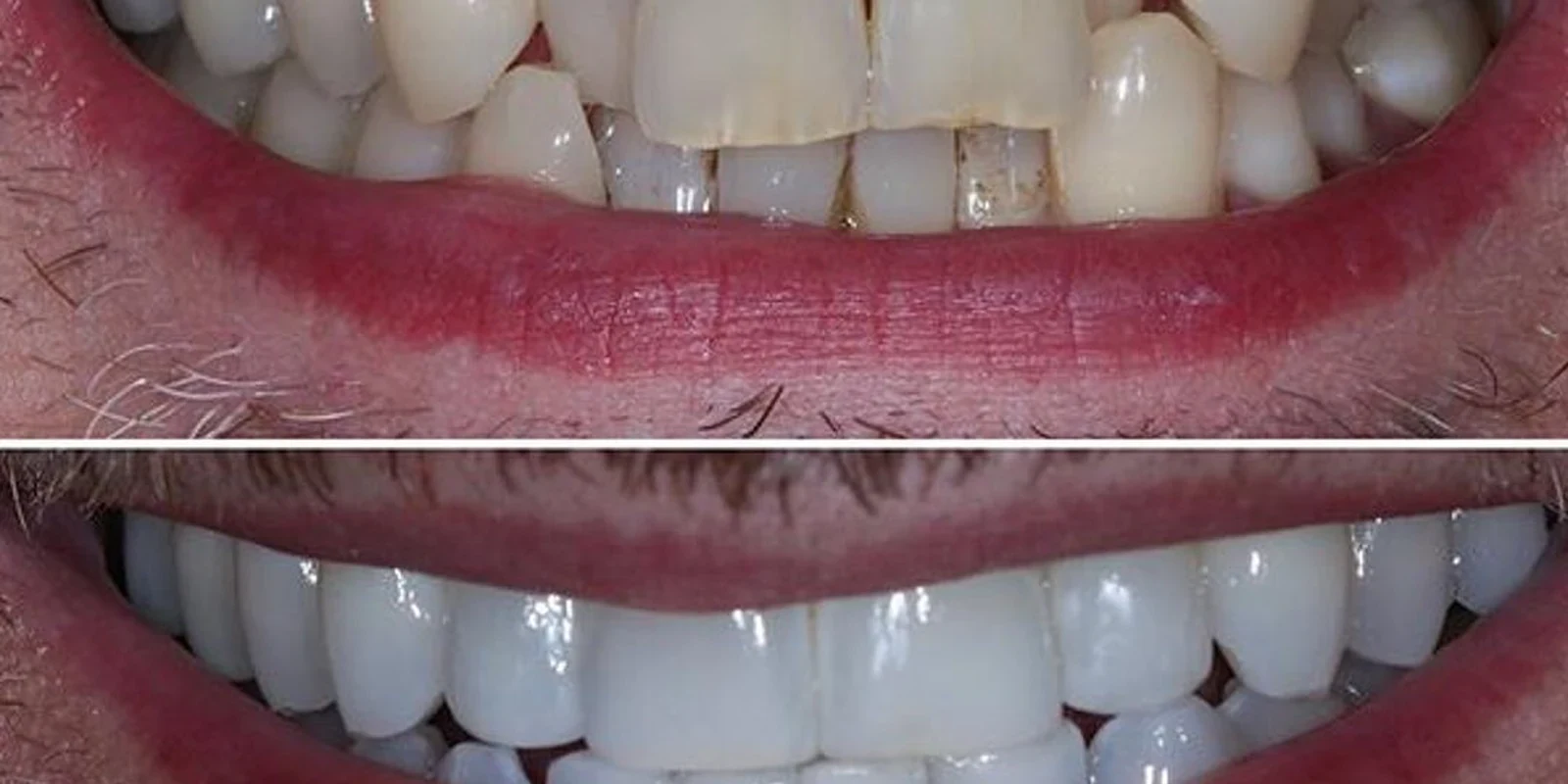
When patients look at porcelain veneers, they understandably notice the front surfaces: the colour, shape and way the teeth catch the light. The junction between the ceramic and the natural tooth may receive far less attention. Yet this small area is important for comfort, cleaning and the long-term health of the gums. A veneer that looks beautifully smooth from the front can still have an awkward contour near the gum, and a poorly maintained gum line can undermine the appearance of even expensive dentistry.
A considered veneer plan should make the restorations look like they belong in the smile while respecting the surrounding tissues. That means assessing gum health before treatment, deciding where the edges of the restorations should lie, controlling their thickness and giving the patient a cleaning routine that is realistic. The goal is not to place veneers as close to the gums as possible. It is to produce a natural-looking, maintainable result with no unnecessary inflammation or loss of tooth structure.
What is a veneer margin?
The margin is the edge where the ceramic veneer meets the natural tooth surface. On the front of a tooth, it may be near the gum line, along the sides or around the biting edge depending on the design. The position and finish of that boundary affect how easily it can be cleaned and how the restoration blends aesthetically. A properly designed margin needs to be accurate, smooth and compatible with the natural tooth anatomy.
Patients often imagine that the margin should be invisible under the gum. In reality, hiding a join beneath the gum is not automatically better. Subgingival margins may be more difficult to examine, clean and maintain, and they can complicate treatment if gum inflammation is present. The appropriate position depends on colour requirements, existing fillings, tooth preparation, gum condition and the clinician's judgement.
Ask your dentist how the ceramic will meet the tooth and whether you will be able to clean that area in your normal routine. A magnified photograph or a simple diagram can help make the explanation clear without expecting you to understand technical restorative terminology.
Why does gum health come before veneers?
Gums that bleed readily or are inflamed can make accurate impressions, shade assessment and long-term maintenance more difficult. More importantly, cosmetic dentistry does not treat active gum disease. The NHS describes gum disease as a plaque-associated condition that requires prevention and treatment according to its severity [1]. If bleeding or periodontal pockets are present, these should be assessed before elective veneer preparation.
Healthy gums also provide the frame around the teeth. Swelling can alter how long a tooth appears or where the gum line sits. If treatment proceeds while tissues are unstable, the final aesthetic result may look different once inflammation settles. A short period of periodontal care before cosmetic work can therefore be an investment in a better result rather than an unnecessary delay.
Ask the clinician to explain your gum findings and whether a hygienist or periodontal assessment is advisable. You should know whether the gums are currently stable and which home-care changes could improve the situation. Good hygiene is not something to begin after the veneers are fitted; it is part of deciding whether to fit them at all.
The danger of adding too much bulk near the gums
Sometimes veneers are promoted as 'no-preparation' treatments. In selected cases an additive approach can preserve enamel, which is valuable. But if a tooth is already prominent, adding ceramic without creating suitable space may result in a bulky contour. Overcontouring at the cervical area, near the gums, can make the restoration look artificial and create a surface that is awkward to clean.
This is why minimal preparation should mean minimal necessary preparation, not a rigid refusal ever to adjust a tooth. The dentist should compare the desired outer shape with the original tooth and determine where room is available. The NHS explains that some veneers require removal of a small amount of tooth surface while others do not [2]. A clinically sensible design finds the balance between preserving enamel and maintaining a natural contour.
Ask the clinician to show a side-view representation of the planned change, not just a front-on smile. The gum-facing thickness and the way the veneer joins the tooth are important even if they are less visible in photographs.
How can veneer margins affect plaque accumulation?
Plaque is a biofilm that accumulates on tooth surfaces and can contribute to gingival inflammation when it is not removed effectively. A rough edge, excess cement or overhanging contour can make cleaning more difficult. An accurately fitted, smoothly finished restoration should support normal brushing and cleaning between teeth. The key is not only the material but the design and the patient's ability to reach every surface.
You should be able to clean alongside the veneer with the technique recommended by your dentist or hygienist. If floss snags repeatedly at one margin, if bleeding appears at one site or if there is a persistent trap for food, arrange a review. These symptoms are not proof of a defective veneer—gum disease and other factors can contribute—but they deserve assessment rather than simply being accepted as cosmetic-treatment side effects.
The NHS recommends twice-daily brushing with fluoride toothpaste and cleaning between teeth, using suitable methods such as interdental brushes where appropriate [1]. A veneer does not remove the need to care for the underlying natural tooth or the supporting gums.
What about the small triangles between front teeth?
The gum tissue between teeth, called the papilla, contributes to the appearance of an even gum line. Some people have small dark triangular spaces between their front teeth because of tooth shape, gum anatomy or previous periodontal change. Veneers may sometimes alter the contact area between teeth and change the appearance of those spaces, but ceramics cannot reliably regenerate missing gum tissue.
Trying to close every dark triangle by creating very wide contacts or bulky extensions may make the teeth difficult to clean or give them unnatural proportions. The clinician must consider tooth shape, root positions, gum support and possible alternatives such as orthodontic movement, conservative bonding or accepting a small space. A design that looks better from the front but worsens periodontal hygiene is not a satisfactory compromise.
Ask what is realistically achievable without making the teeth too broad at the gum line. Sometimes the most natural smile contains small asymmetries that should not be aggressively corrected at the expense of healthy tissues.
How is the gum line assessed during smile design?
A clinician may consider the height of each gingival margin, the tooth proportions, the lip line and how much gum you show when smiling. If one front tooth looks shorter because its gum is positioned differently, adding a long veneer edge may not be the right solution. In some cases gum treatment or careful observation is more appropriate before any ceramic work.
The design should consider a natural smile as well as a posed photograph. Some people reveal a considerable amount of gum when laughing; others show very little. That changes the visibility of margin asymmetry and the importance of surface transitions. It does not mean that patients with a high smile line automatically need more invasive treatment.
Any proposal to alter the gum line should include a discussion of the biological tissues involved and whether the change is expected to remain stable. A cosmetic design should not assume gum contour can be adjusted without limits. Patient preference matters, but safety and cleanability come first.
Does the choice of ceramic change gum health?
Different veneer ceramics can have different surface finishes and optical properties, but gum response depends on much more than the label of the material. The precision of the margin, any excess cement, tooth contour and daily plaque control can all influence the surrounding tissue. A highly polished material will not compensate for a restoration that is overbulked or poorly fitted.
Patients sometimes hear that porcelain is 'completely stain-proof' or 'maintenance-free'. These are marketing shortcuts. Ceramic can retain a smooth appearance for years when cared for, yet margins may stain, underlying teeth can develop problems and technical complications can occur. Systematic reviews report favourable veneer survival in selected cases alongside measurable rates of fracture, debonding and biological events [3].
A credible material recommendation should explain why a particular ceramic suits the required thickness, colour and planned bonding surface. It should also explain any limitations, especially where natural enamel is limited or teeth are heavily restored.
Why preserving enamel can matter
Veneers are frequently bonded to enamel. Research suggests that the amount of enamel available and the location of preparation margins can influence outcomes. A retrospective study found a higher failure rate when porcelain veneers relied substantially on dentine rather than enamel, although such observational evidence has limitations [4]. This is one reason to examine teeth individually and avoid unnecessary reduction.
However, the presence of intact enamel does not mean preparation is never needed. The clinician must still allow room for the intended ceramic contour and avoid making the gum-facing edge too thick. A thoughtful treatment plan balances adhesion, preservation, aesthetics and the shape that can be cleaned.
Ask what percentage of the proposed restoration will be supported by existing enamel and whether old fillings affect the design. You do not need an exact numerical prediction of survival; you need a clear explanation of how the dentist is preserving suitable tooth structure while addressing the cosmetic problem.
What should happen at the fitting?
Before definitive attachment, the clinician should assess the veneer fit, contacts, colour and contour where possible. The margin needs to be finished appropriately, and any excess bonding material or cement removed. Your bite also requires checking. A veneer that feels rough against the tongue or catches cleaning devices may need review; do not attempt to polish or adjust it yourself at home.
At the fitting, look at the teeth with your lips relaxed, while smiling and in ordinary conversation. If you are concerned about gum bulk or tooth shape, raise it before the work is finalised. Some adjustments are possible, but extensive redesign after bonding may be difficult and could require further intervention.
Ask the practice what the early review will assess and whom to contact if you notice persistent bleeding, tenderness or food trapping around a veneer. A clear aftercare route is part of a premium restorative service, not a minor administrative detail.
Daily cleaning and long-term reviews
Brush the natural teeth and veneered surfaces carefully with appropriate fluoride toothpaste and a suitable brush. Clean between teeth using floss or interdental brushes as advised for the actual spaces in your mouth. An overly aggressive technique can be unhelpful, but avoiding the gum line because the veneers are new is not sensible either. A hygienist can demonstrate how to clean difficult contacts without damaging the tissues.
Keep regular dental reviews. A dentist may check the margins, gum bleeding, signs of decay around the underlying tooth and any changes in the bite. The suitable review interval depends on your personal risk factors rather than a fixed timetable for every patient. Report persistent tenderness, bleeding at one margin, roughness or unexpected movement promptly.
If you also have implants, crowns or a history of periodontal disease, the routine may need to address those structures as well. The common principle is that elective cosmetic dentistry should make a smile easier to live with, not harder to maintain.
Questions before choosing porcelain veneers
Should the veneer edge sit under the gum? Not routinely. Margin position depends on the tooth, shade and gum health. A deeper margin is not automatically more attractive or healthier.
Can porcelain veneers cause gum disease? Veneers themselves do not automatically cause gum disease. Poor plaque control, difficult contours or existing periodontal problems can contribute to inflammation around teeth.
Can veneers remove black triangles? They may sometimes reduce their appearance, but excessive bulk or wide contacts can compromise appearance and cleaning. Other options may be preferable.
Are no-preparation veneers always gentler on gums? Not necessarily. Avoiding enamel reduction can be valuable, but adding too much thickness near the gum may produce an unfavourable contour.
What should I do if a gum bleeds beside one veneer? Arrange a dental assessment, especially if it persists. It may relate to cleaning, inflammation, a margin issue or another condition that needs diagnosis.
A consultation that looks beyond the front of the tooth
An Iconic Smiles cosmetic consultation should assess the teeth and gums together and explain how the proposed veneer margins can be kept clean. The introductory £30 consultation is specified in the editorial brief and should be verified against current practice fees, with additional records charged as appropriate. A beautiful veneer should be a healthy part of your mouth, not just a good-looking surface in a photograph.
Clinical sources and further reading
Your next step, when you’re ready
We would be pleased to welcome you for a £30 consultation at your preferred Iconic Smiles practice. Bring your questions, and we can talk through the options that may suit you.
£30 for a planned-treatment consultation. Scans, additional investigations and emergency assessments may have separate fees; please confirm when booking.