
Bonding, veneers and whitening
Composite bonding for four, six or eight teeth: what would your smile really cost?
Four, six and eight teeth are not fixed cosmetic packages. The right number is the smallest sensible plan that creates the result you want without treating healthy teeth unnecessarily
Discover what could suit your smile
Whether you are thinking about colour, shape or a subtle change, a £30 consultation is a welcoming place to share your ideas, ask questions and explore a personalised approach.
Please confirm the £30 planned-treatment consultation fee when booking. Scans, additional investigations and emergency assessments may have separate fees.
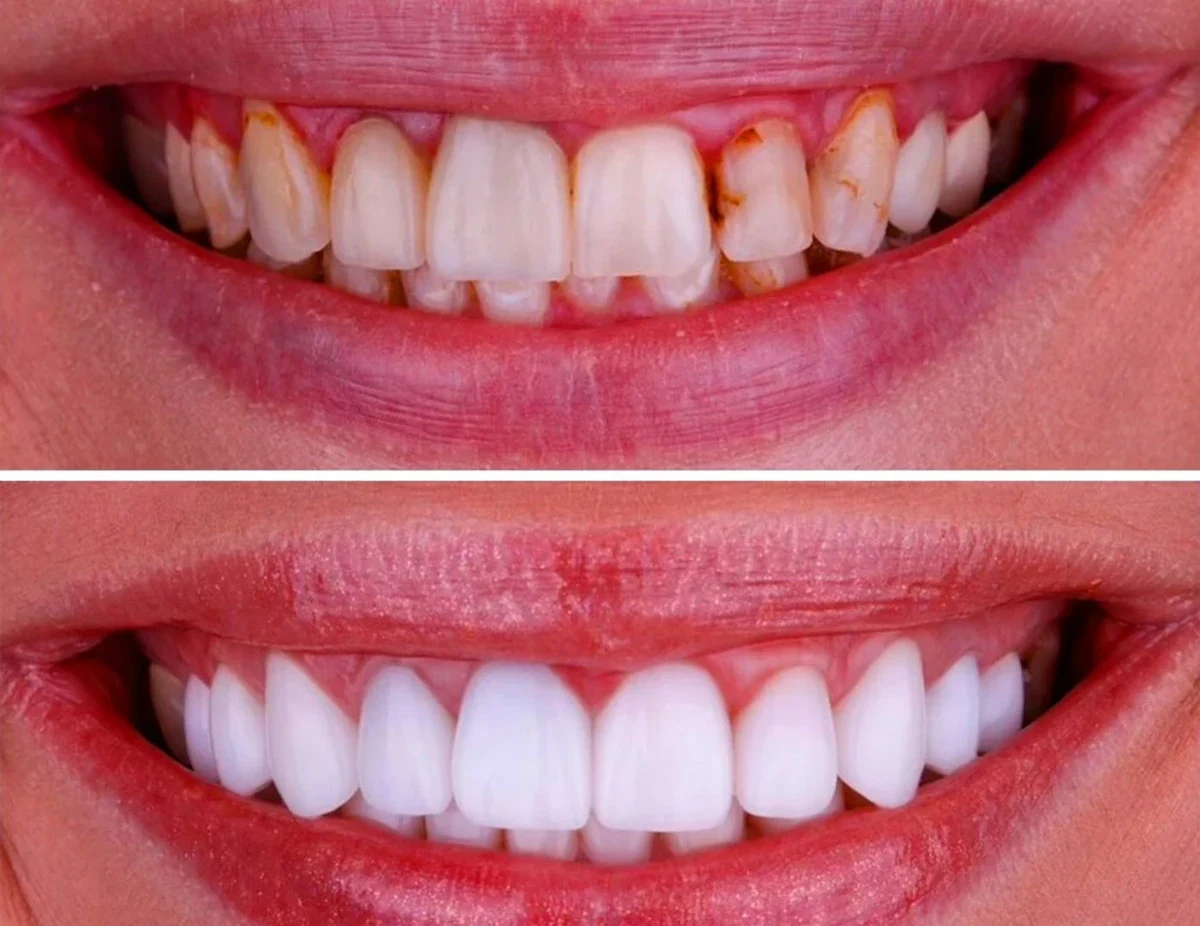
The short answer: Four, six and eight teeth are not fixed cosmetic packages. The right number is the smallest sensible plan that creates the result you want without treating healthy teeth unnecessarily.
If you have been looking at composite bonding photographs, you will probably have noticed that a smile can change considerably without every tooth being treated. Sometimes two uneven edges are all that need attention. Sometimes the front six teeth would look more balanced if their shapes were planned together. The difficulty is knowing what you would actually be paying for — and whether the quotation reflects what you want to achieve.
At Iconic Smiles, composite bonding is advertised from £325 per tooth. That provides a useful starting point, but it does not mean every four-, six- or eight-tooth smile will cost exactly the same amount per tooth, or that more treatment is automatically better. The fee needs to follow the design, not the other way round.
How much does bonding for four, six or eight teeth start from?
Using the publicly advertised starting price of £325 per tooth, the basic arithmetic is:
| Teeth receiving bonding | Calculation at the published starting rate | Illustrative starting total |
|---|---|---|
| 4 teeth | 4 × £325 | From £1,300 |
| 6 teeth | 6 × £325 | From £1,950 |
| 8 teeth | 8 × £325 | From £2,600 |
These are illustrations, not quotations or package offers. They assume that each of those teeth is suitable for treatment at the advertised entry-level fee. The final cost can change with the amount of reshaping, the condition of the teeth, the complexity of the bite, any preparatory dental care and the way the smile is designed. Whitening, hygiene treatment, repairs to existing dentistry and protective appliances, if advised, may be separate.
Ask for the proposed work tooth by tooth. A transparent plan should tell you which teeth will be bonded, what change is intended on each one and what the whole treatment will cost. A figure that sounds inexpensive means little if you cannot see what it includes.
Four, six or eight teeth: how do you choose?
There is no universally correct number. The answer depends partly on how many teeth show when you smile, but also on their existing proportions, colour and position.
Four teeth may be enough when the two central and two neighbouring incisors account for most of the unevenness. For instance, if the four upper front teeth differ slightly in length, a carefully planned adjustment may create a pleasing line without touching the canines. But if the adjacent teeth are noticeably darker, shorter or differently shaped, treating four may leave a visible boundary between the improved teeth and their neighbours.
Six teeth often means including the upper canines. This can help when the smile looks unbalanced because the transition from the front incisors to the corners of the mouth is uneven. Canines have their own shape and job in guiding the bite, so the aim is usually to respect their character rather than making six teeth identical.
Eight teeth may be relevant when the smile is wider and the premolars are visible. In a suitable case, planning the front eight together can avoid an abrupt change in colour or contour towards the sides. It is not a requirement for a beautiful result. Many people simply do not show eight upper teeth clearly when they smile.
A useful consultation photograph is one taken while you laugh naturally, rather than one where you are deliberately showing every tooth. What you see when speaking and smiling normally is what matters most.
What are you paying for besides the resin?
Composite is a tooth-coloured material, but the cost of good bonding is not primarily the cost of that material. Consider the decisions involved in making a small addition look like a natural part of your tooth.
Your dentist needs to assess the existing enamel, old fillings and the contacts between your teeth. They have to decide where the new edge should finish, how the surface should reflect light, whether spaces can be closed without making the teeth look too wide and how the material can be kept clean around the gumline. If several teeth are involved, the shapes need to work together — and still look like individual teeth.
Some appointments involve relatively straightforward additions to chipped edges. Others require a more detailed smile design, layered colour choices, careful isolation to keep the surface dry, adjustments to the bite and meticulous polishing. These differences can affect the quotation even when the tooth count is the same.
The best way to judge value is to ask what the clinician expects to achieve and why the proposed approach is appropriate for your own teeth.
Does bonding involve drilling down healthy teeth?
One of the attractions of additive composite bonding is that it can often be placed with little or no removal of healthy tooth structure. That does not mean every case is completely preparation-free, or that the material can always be removed later without any effect on the underlying surface. Preparation may be necessary to create a sound bond, manage an old restoration or avoid an overbulky result.
If preserving enamel is particularly important to you, say so. The dentist can explain what is proposed for each tooth and whether a more conservative option would work. Occasionally whitening, careful contouring or orthodontic alignment can address the concern without bonding several teeth.
Could a smaller treatment look more natural?
Absolutely. Imagine that one front tooth has a short corner and another is slightly pointed. Adding composite only where it is missing may look more convincing than lengthening every tooth to an identical height. Natural teeth have subtle differences in their edges, surface texture and translucency. Those variations give a smile character.
There is also a practical reason not to over-treat: every area of composite will need care and may need maintenance in future. If a tooth does not need changing, leaving it alone can be a perfectly good clinical decision.
Equally, doing too little simply to hit a budget can leave the result looking inconsistent. It is worth discussing both possibilities, rather than presenting a fixed number of teeth as a standard package.
Should you whiten before composite bonding?
Usually it makes sense to consider your preferred natural tooth colour before choosing the final shade of composite. Bonding does not lighten in the way natural teeth can with professional whitening. If you bond several teeth and later whiten the surrounding enamel, the shades may no longer match.
Not everyone needs whitening. Some people are happy with their existing colour and want only the shape improved. If whitening is appropriate, the dentist can plan the timing and allow the shade to settle before matching the composite. Whitening has its own suitability checks, fees and possible sensitivity, so it should be a separate, informed choice.
How long will the result last?
Composite bonding is not permanent. It may stain, lose polish, wear or chip; the rate depends on where it is placed, the way your teeth meet, your habits and how you look after it. An attractive result on the day of treatment is only one part of the decision.
If you grind your teeth, frequently bite hard objects or have an edge-to-edge bite, your dentist may recommend altering the design, considering orthodontics first or using a protective appliance. Maintenance can involve polishing, localised repair or eventual replacement. Ask about likely future costs rather than assuming your initial fee is the lifetime cost.
You should also know how to clean around the bonding and whether interdental cleaning will change. Closing a small gap cosmetically must not create an inaccessible ledge that traps plaque.
How do you compare two bonding quotations?
Put the written plans alongside one another and ask these questions: Are the same teeth included? Does one dentist propose adding to an edge while another proposes covering much more of the front surface? Is whitening included or separate? How will the bite be checked? What happens if a small piece chips? Are any follow-up refinements included? Has the clinician shown you why the proposed shapes will suit your face and smile?
The most expensive quotation is not automatically the best, but the cheapest total is not necessarily comparable either. An apparently lower quote for four teeth may not meet your objectives if the natural appearance depends on improving the transition across six.
What happens at the first appointment?
At an initial consultation, explain what you notice about your smile, ideally with a few ordinary photographs. Your dentist can assess the teeth and gums, look at your bite and discuss whether bonding, whitening, alignment or veneers would be reasonable options. Some patients need further records or treatment before a reliable final quotation can be given.
Iconic Smiles advertises a £30 planned-treatment consultation, offering a straightforward opportunity to explore your ideas without committing to a full makeover. Confirm the consultation fee and any additional investigations when booking.
The best outcome of that appointment is not a promise of eight perfect teeth. It is an honest answer about how much change would suit you, what can safely be preserved and a written plan that makes the cost understandable.
Questions patients often ask
Can I bond only my two front teeth? Yes, where the appearance, bite and colour can be matched satisfactorily. A smaller treatment can be an excellent option.
Is six-tooth bonding cheaper than six veneers? Based on published starting fees, composite generally has a lower initial per-tooth entry price at Iconic Smiles, but the treatments differ in preparation, durability, repair and maintenance. The right comparison is an individual plan, not a price alone.
Will bonding close all gaps? Small gaps can sometimes be reduced attractively. Larger gaps or the wrong tooth proportions may be better addressed with orthodontics before any cosmetic finishing.
Is bonding suitable if I have crowns? It may be possible to design bonding around existing crowns, although shade matching and bonding to restorative materials require particular planning.
Comparing options
If you are torn between treating four teeth and planning a wider smile, bring photographs of your natural smile to an appointment. The composite bonding treatment page explains what can be added conservatively; the current fee guide helps you budget before making an enquiry.
Independent patient information: NHS: veneers and other dental treatment choices · NHS: professional whitening and shade planning. These explain general clinical considerations; a personal recommendation requires assessment.
Your next step, when you’re ready
We would be pleased to welcome you for a £30 consultation at your preferred Iconic Smiles practice. Bring your questions, and we can talk through the options that may suit you.
Please confirm the £30 planned-treatment consultation fee when booking. Scans, additional investigations and emergency assessments may have separate fees.